Adani Green Energy targets 50 GW by 2030, Khavda park at 30 GW
Synopsis
Adani Green Energy has only reached 20 GW of its 50 GW target — and is banking on a single 30 GW park in Gujarat's Khavda to close most of that gap. If the world's largest single-location renewable energy park delivers on schedule, it could reshape India's clean energy landscape and validate a $100 billion private-sector bet on the country's energy transition.
Key Takeaways
Adani Green Energy is targeting 50 GW of renewable capacity by 2030 , up from around 20 GW currently installed.
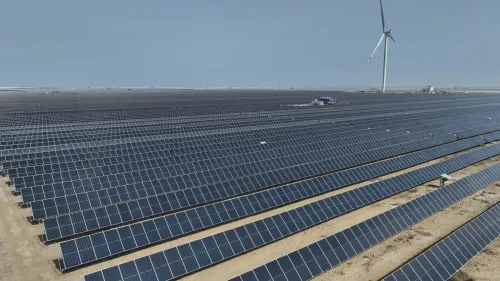
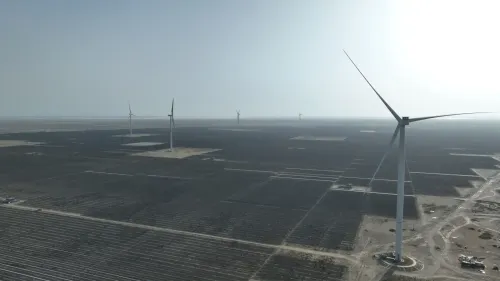
The Khavda Renewable Energy Park in north Gujarat will have a capacity of 30 GW , spanning 538 sq km — nearly five times the Paris metropolitan area.
Adani Group Chairman Gautam Adani has committed $100 billion towards India's energy transition, reportedly one of the largest private-sector pledges globally.
India added a record 55 GW of renewable capacity last year, aided by consistent government policy support.
Executive Director Sagar Adani said the Strait of Hormuz situation remains a global concern but has been managed effectively by the Indian government.
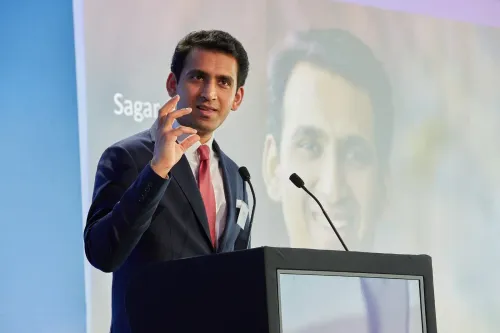
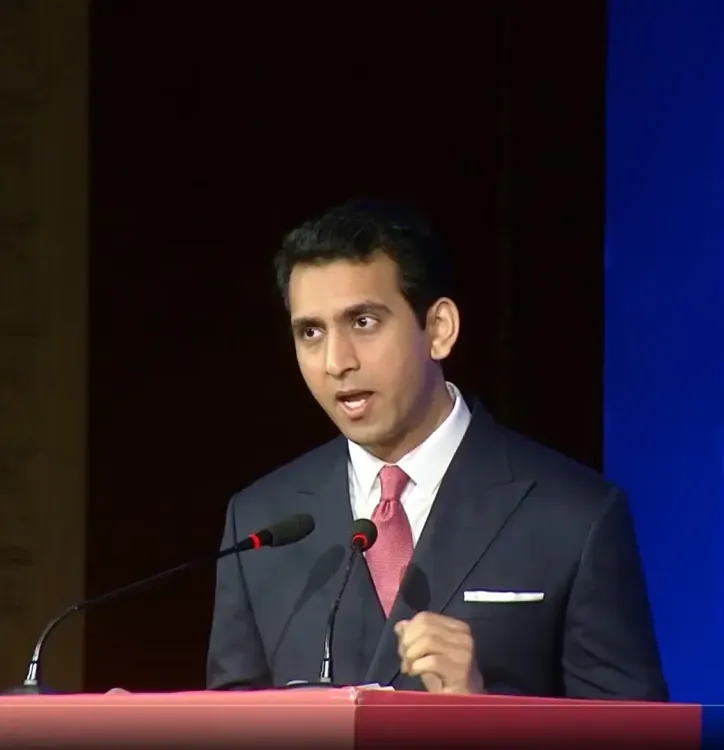
Adani Green Energy is aligning all its capacity expansion plans with a target of achieving 50 GW of renewable energy by 2030, Executive Director Sagar Adani said on Wednesday, 29 April 2026, on the sidelines of the Resilient Futures Summit 2026 in New Delhi. The company's installed renewable capacity currently stands at around 20 GW, meaning it must more than double its footprint in under five years.
The 50 GW Roadmap
Sagar Adani told media that every incremental capacity addition is being planned in direct alignment with the 2030 long-term goal. He noted that Adani Group Chairman Gautam Adani has committed an investment of $100 billion towards India's energy transition — reportedly one of the largest such pledges by any private sector company globally. The company is also investing in transmission networks, thermal power plants, and other domestic energy sources alongside its renewables push.
World's Largest Single-Location Renewable Energy Park
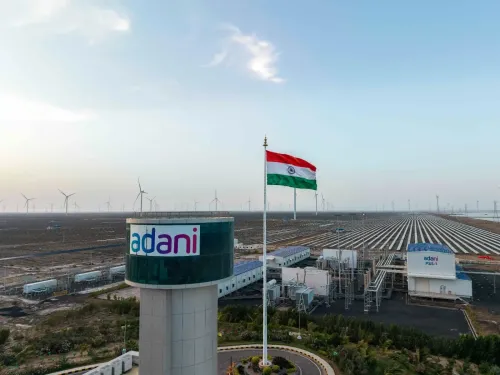
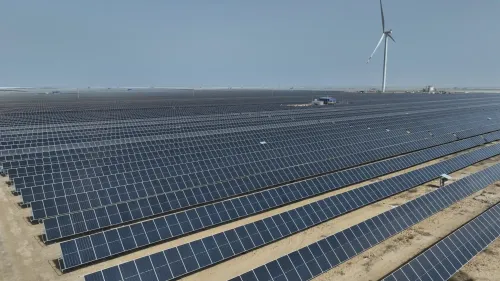
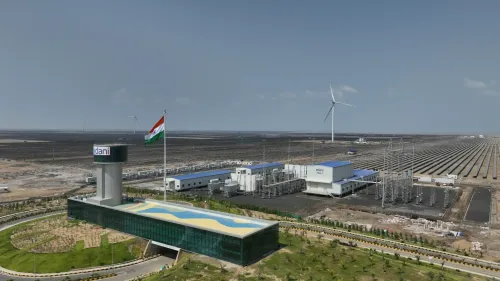
Central to the expansion strategy is the Khavda Renewable Energy Park in north Gujarat, which Adani Green Energy describes as the world's largest single-location renewable energy park currently under development. The park is planned to have a capacity of 30 GW and will span 538 square kilometres — nearly five times the size of the Paris metropolitan area, according to Sagar Adani. This single project alone would account for 60% of the company's 2030 target, making its timely execution critical to the overall roadmap.
Government Policy and India's Record Capacity Addition
Sagar Adani credited strong government policy support for enabling India to achieve a record 55 GW of renewable energy capacity addition last year. Speaking at the summit earlier in the day, he described India's policy environment as offering "clear, consistent and increasingly execution-oriented" direction. "From accelerating infrastructure development, to expanding renewable capacity, strengthening transmission networks, and enabling long-term investments — there has been both clarity of intent and continuity of action. And that continuity is a critical enabler of resilience," he said.
Strait of Hormuz and Energy Security
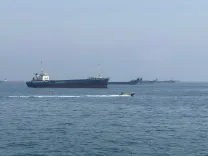
Responding to a question on the Strait of Hormuz — a critical global oil transit chokepoint — Sagar Adani acknowledged that the situation remains a global concern. He added, however, that the Indian government has managed it effectively without passing the burden on to citizens. The remark underscores the broader energy security dimension of India's renewable push: reducing dependence on imported fossil fuels is a strategic as much as a climate imperative.
What's Next
With 30 GW still to be added before 2030 and the Khavda park still under development, execution pace and grid integration will be closely watched by investors and policymakers alike. The $100 billion commitment from the Adani Group signals long-term intent, but the gap between current installed capacity and the 50 GW goal leaves little room for delays in the years ahead.
Point of View
The $100 billion commitment, while headline-grabbing, spans multiple energy types including thermal, which complicates the clean-energy narrative. India's renewable push is real, but the gap between installed capacity and stated targets has historically been bridged more slowly than announcements suggest. Investors and policymakers should watch Khavda's execution milestones, not just the 2030 number.
NationPress
21 Sept 2026
Frequently Asked Questions
What is Adani Green Energy's 2030 renewable energy target?
Adani Green Energy is targeting 50 GW of total renewable energy capacity by 2030. The company's current installed capacity stands at around 20 GW, meaning it needs to more than double its footprint over the next several years.
What is the Khavda Renewable Energy Park?
The Khavda Renewable Energy Park in north Gujarat is described as the world's largest single-location renewable energy park currently under development. It is planned to have a capacity of 30 GW and will span 538 square kilometres, nearly five times the size of the Paris metropolitan area.
How much has the Adani Group committed to India's energy transition?
Adani Group Chairman Gautam Adani has announced an investment of $100 billion towards India's energy transition, which Sagar Adani described as one of the largest such commitments globally by a private sector company.
How much renewable energy capacity did India add last year?
India added a record 55 GW of renewable energy capacity last year, according to Sagar Adani, who credited strong and consistent government policy support for enabling this milestone.
What did Sagar Adani say about the Strait of Hormuz?
Sagar Adani acknowledged that the Strait of Hormuz situation remains a global concern but said the Indian government has managed it effectively without burdening citizens. The comment highlighted the energy security rationale behind India's domestic renewables expansion.