Atal Innovation Mission opens 500 ATL applications for Jammu and Kashmir schools

Synopsis
NITI Aayog's Atal Innovation Mission is opening 500 new Atal Tinkering Labs in Jammu and Kashmir — with eligibility rules specifically rewritten for border, hilly, and underserved schools. It is the first time the ATL programme has deployed a frontier-region-specific framework, signalling a deliberate push to bring innovation infrastructure to India's most geographically challenging Union Territory.
Key Takeaways
Atal Innovation Mission (AIM) under NITI Aayog has launched applications for 500 new ATLs in Jammu and Kashmir as of 20 May 2025 .
The labs are part of AIM's Frontier Region Programme , designed for geographically challenging and underserved regions.
Partners include the School Education Department, J&K and the University of Kashmir .
Eligibility criteria have been relaxed on space and enrolment; Army Goodwill schools , Kendriya Vidyalayas , and Jawahar Navodaya Vidyalayas are included.
A district-level outreach drive will target schools in remote, border, hilly, and underserved areas across all districts of the UT.
Atal Innovation Mission (AIM) under NITI Aayog, in partnership with educational bodies in Jammu and Kashmir, has launched the application process to establish 500 new Atal Tinkering Labs (ATLs) across the Union Territory, according to an official statement released on Wednesday, 20 May. The drive is part of AIM's broader Frontier Region Programme, designed to build inclusive innovation ecosystems in geographically challenging parts of India.
Key Institutional Partners
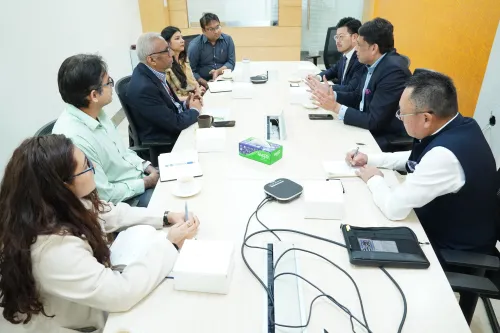
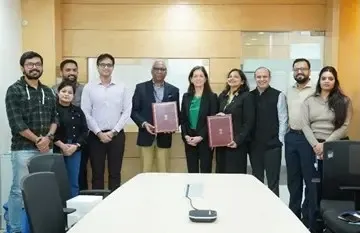
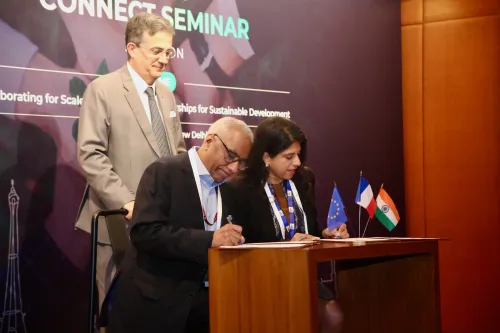
NITI Aayog is collaborating with the School Education Department, Government of Jammu and Kashmir, and the University of Kashmir to implement the initiative. The partnership reflects a model of deep institutional convergence — linking schools, universities, industry, and innovation bodies to ensure localised and sustainable impact.
What the Frontier Region Programme Aims to Do
The 500 ATLs are the centrepiece of AIM's Frontier Region Programme, which seeks to create customised innovation ecosystems in regions that face geographical and infrastructural challenges. The programme specifically targets students in remote, border, hilly, and underserved geographies within Jammu and Kashmir, aiming to give them equitable access to emerging technologies, design thinking, and problem-solving education.
Notably, the application framework has been tailored to the ground realities of the Union Territory. It includes diverse school categories — government, private, aided, Kendriya Vidyalayas, Army Goodwill schools, and Jawahar Navodaya Vidyalayas — and offers relaxed criteria for school space and enrolment. Special consideration has been built in for schools in remote and border areas, a departure from the standard ATL eligibility norms applied elsewhere in the country.
What Officials Said
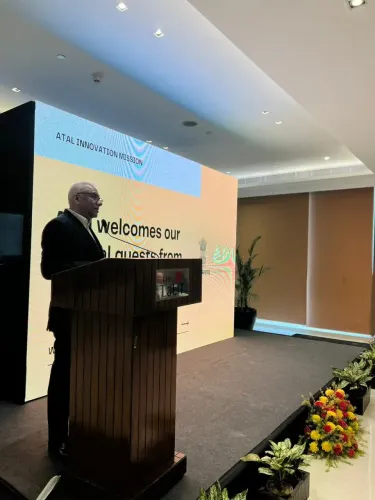
Deepak Bagla, Mission Director of Atal Innovation Mission at NITI Aayog, said the labs would 'empower students from every corner of the UT, including remote and border areas, to dream boldly, experiment fearlessly, and develop solutions for real-world challenges.' He urged schools across Jammu and Kashmir to actively participate in the application process and position themselves as innovation hubs within the UT's emerging ecosystem.
NITI Aayog added that the initiative aims at 'transforming Jammu and Kashmir into a leading model for frontier-region innovation by expanding access to emerging technologies, design thinking, and problem-solving education among school students.'
Outreach and Awareness Strategy
A comprehensive outreach plan has been developed to maximise school participation across all districts of the Union Territory. It includes district-level awareness sessions, orientations for school heads and teachers, official communication through departmental channels, and mobilisation through the existing ATL network and institutional partnerships.
With applications now open, the success of the initiative will hinge on how effectively the awareness drive reaches schools in the most remote corners of the UT — a logistical challenge that the programme's contextual modifications are explicitly designed to address.
Point of View
AIM is acknowledging a structural gap in its own programme design. The real test will be implementation: whether the outreach machinery can actually reach schools in Kupwara or Kishtwar with the same intensity as those in Jammu city. Past government innovation drives have often stalled at the district-level execution stage in the UT.
NationPress
3 Oct 2026
Frequently Asked Questions
What are the 500 new Atal Tinkering Labs being set up in Jammu and Kashmir?
These are hands-on innovation labs for school students, being established under the Atal Innovation Mission of NITI Aayog as part of its Frontier Region Programme. The 500 labs are specifically intended for schools across Jammu and Kashmir, including those in remote, border, hilly, and underserved areas.
Who can apply for an Atal Tinkering Lab in Jammu and Kashmir?
Government, private, aided, Kendriya Vidyalayas, Army Goodwill schools, and Jawahar Navodaya Vidyalayas across Jammu and Kashmir are eligible to apply. Criteria related to school space and enrolment have been relaxed, with special consideration for schools in remote and border regions.
What is the Frontier Region Programme under Atal Innovation Mission?
It is AIM's initiative to create customised, inclusive innovation ecosystems in geographically challenging regions of India through institutional convergence and localised implementation. Jammu and Kashmir is among the first Union Territories to be targeted under this programme.
Which institutions are partnering with NITI Aayog for this initiative?
NITI Aayog is partnering with the School Education Department of the Government of Jammu and Kashmir and the University of Kashmir to implement the 500 ATL drive and support the application and outreach process.
How will schools in remote areas of Jammu and Kashmir be reached?
AIM has developed a comprehensive outreach strategy that includes district-level awareness sessions, orientations for school heads and teachers, official departmental communications, and mobilisation through the existing ATL network and institutional partnerships across all districts of the UT.