AIM SUMVAAD Central India Edition: Incubators, startups unite in Indore to boost innovation
Synopsis
India's startup push moved to Central India as Atal Innovation Mission convened governments, incubators, and startups from MP, Rajasthan, and UP in Indore. The message from the room: DeepTech needs patient capital, incubators need stronger state backing, and India's innovation story cannot remain a metro monopoly.
Key Takeaways
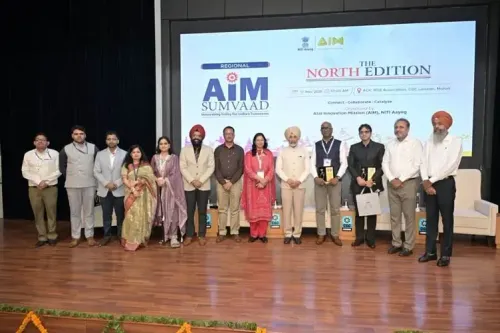
Atal Innovation Mission (AIM) held the Regional AIM SUMVAAD – Central India Edition at RRCAT, Indore on 11 May 2025 .
Representatives from Madhya Pradesh , Rajasthan , and Uttar Pradesh participated alongside startup councils and CSR partners.
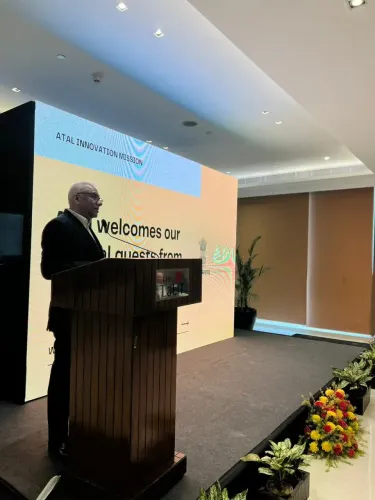
Deepak Bagla , Mission Director, AIM, said incubators form the backbone of a dynamic startup ecosystem.
IIM Indore Director Himanshu Rai called for patient capital and long-term research focus to drive DeepTech growth.
Sessions addressed sustainable incubation models, state-led innovation scaling, and State-Centre coordination.
The conclave is part of AIM's broader push to decentralise India's startup ecosystem beyond Tier-1 cities.
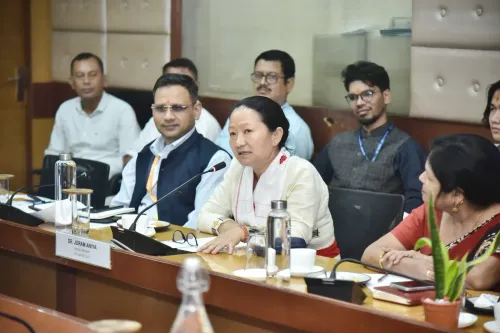
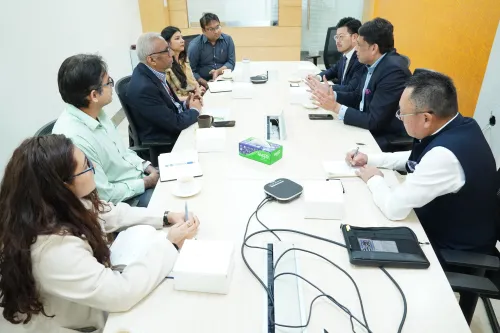
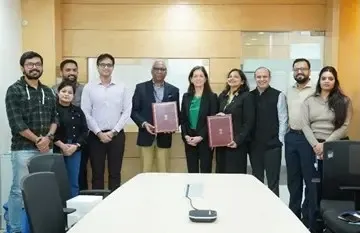
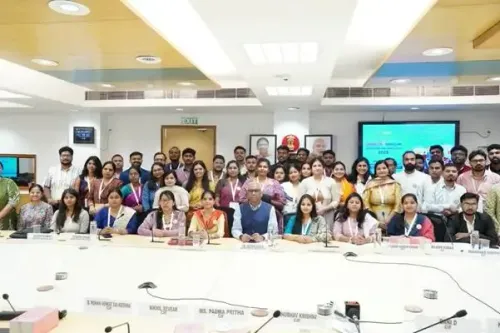
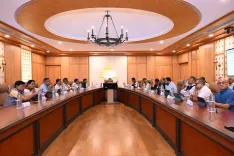
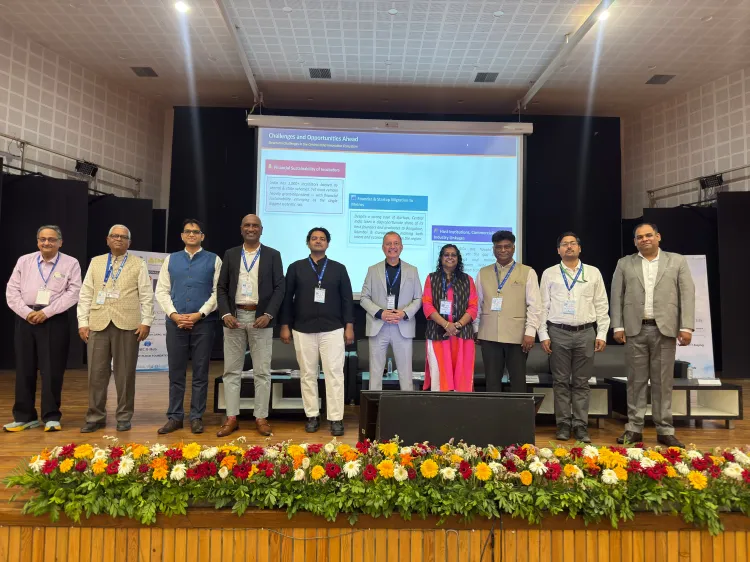
The Atal Innovation Mission (AIM) on Monday, 11 May organised the Regional AIM SUMVAAD – Central India Edition at the Raja Ramanna Centre for Advanced Technology (RRCAT) in Indore, convening stakeholders from government, industry, academia, startups, and incubators to strengthen State-Centre collaboration and build a more robust innovation ecosystem across Central India. The conclave drew representatives from Madhya Pradesh, Rajasthan, and Uttar Pradesh, alongside startup councils, CSR partners, and ecosystem enablers.
What AIM SUMVAAD Set Out to Achieve
The initiative was designed to deepen engagement between state governments, startups, incubators, and industry leaders while promoting inclusive entrepreneurship and innovation-led growth through collaborative partnerships. Sessions focused on strengthening incubation ecosystems, scaling state-led innovation initiatives, and improving coordination between governments, academia, industry, and startup ecosystems. A dedicated session on building effective people and culture in incubation centres explored sustainable entrepreneurship models capable of adapting to shifting market conditions.
Key Voices at the Conclave
Deepak Bagla, Mission Director of Atal Innovation Mission, NITI Aayog, said incubators form the backbone of a dynamic startup ecosystem by transforming ideas into impactful ventures. He noted that AIM, in collaboration with the Department of Science and Technology, the Department of Biotechnology, and the Department for Promotion of Industry and Internal Trade (DPIIT), is working to strengthen the startup ecosystem through improved infrastructure, mentorship, funding access, and collaborative initiatives such as AIM SUMVAAD.
Himanshu Rai, Director of IIM Indore, observed that India's startup ecosystem is moving from a service mindset to a science mindset, adding that DeepTech innovation would require patient capital and a stronger focus on long-term research rather than quick returns — a pointed remark at a time when early-stage funding cycles have shortened considerably.
Viraj Bhanage, Director of RRCAT and Chairman of AIC π-Hub, highlighted the role of incubators in supporting the next generation of startups and said initiatives like AIM SUMVAAD help strengthen ties between entrepreneurs, institutions, and ecosystem enablers.
Dr. Abha Rishi, Executive Head of the Madhya Pradesh Startup Centre, said incubators are central to building a sustainable innovation ecosystem and driving entrepreneurship across the country.
Why Central India Matters for the Startup Push
Central India — spanning Madhya Pradesh, Rajasthan, and Uttar Pradesh — represents a large, underserved geography in India's startup map, where incubation density and early-stage capital access lag behind metros such as Bengaluru, Mumbai, and Delhi. The AIM SUMVAAD format, which brings the Centre's innovation agenda directly to regional stakeholders, is part of a broader effort to decentralise India's startup ecosystem and unlock talent and ideas beyond Tier-1 cities. This is notably one of several regional editions of SUMVAAD, reflecting AIM's push to build a pan-India incubation network anchored in state partnerships.
What Comes Next
The discussions at Indore are expected to feed into actionable frameworks for state-level incubation policy, with a focus on enabling innovation-driven economic growth and creating opportunities for startups in emerging sectors. As AIM continues its regional outreach, the outcomes of the Central India edition will likely inform upcoming editions across other parts of the country.
Point of View
Risk capital, and deep-tech mentorship remains concentrated in Bengaluru, Mumbai, and Delhi-NCR. Bringing MP, Rajasthan, and UP stakeholders into a single room is symbolically important, but the harder question is whether state governments will follow through with policy bandwidth and budget. Himanshu Rai's call for patient capital is well-timed — India's funding cycle has compressed sharply, rewarding quick-return SaaS plays over the kind of long-gestation science-led ventures that could define the next decade. Without structural incentives for patient capital at the state level, SUMVAAD risks being a well-attended annual ritual rather than a genuine inflection point for Central India's startup density.
NationPress
24 Sept 2026
Frequently Asked Questions
What is AIM SUMVAAD and why was it held in Indore?
AIM SUMVAAD is a regional outreach initiative by the Atal Innovation Mission, NITI Aayog, designed to strengthen State-Centre collaboration on startup and incubation policy. The Central India Edition was held in Indore on 11 May 2025 at RRCAT to engage stakeholders from Madhya Pradesh, Rajasthan, and Uttar Pradesh.
Who participated in the AIM SUMVAAD Central India Edition?
The conclave brought together representatives from three state governments — Madhya Pradesh, Rajasthan, and Uttar Pradesh — along with startup councils, CSR partners, incubators, industry leaders, and academia. Key speakers included Deepak Bagla of NITI Aayog, IIM Indore Director Himanshu Rai, and RRCAT Director Viraj Bhanage.
What was the key message on DeepTech startups at the event?
IIM Indore Director Himanshu Rai said India's startup ecosystem is shifting from a service mindset to a science mindset, and that DeepTech innovation requires patient capital and a long-term research focus rather than quick returns.
How does AIM plan to strengthen incubators in Central India?
AIM is working with the Department of Science and Technology, Department of Biotechnology, and DPIIT to improve infrastructure, mentorship, and funding access for incubators. Initiatives like AIM SUMVAAD aim to create direct linkages between state governments, academia, industry, and startup ecosystems.
Why is Central India significant for India's startup ecosystem?
Central India — covering states like Madhya Pradesh, Rajasthan, and Uttar Pradesh — is a large, underserved geography where incubation density and early-stage capital access trail major metros. AIM's regional editions aim to decentralise the startup ecosystem and unlock innovation potential beyond Tier-1 cities.