ASPIRE scheme: 109 incubators trained 1.23 lakh rural entrepreneurs across India

Synopsis
India's ASPIRE scheme has quietly built a 109-incubator rural entrepreneurship network spanning 27 states, training over 1.23 lakh people and seeding more than 1,200 micro-enterprises. With over 35,000 SC, ST, and OBC beneficiaries reached, it is one of the more substantive inclusion bets in the MSME playbook — though the gap between trained beneficiaries and enterprise creation still signals room to scale.
Key Takeaways
The Ministry of MSME has approved 109 Livelihood Business Incubators (LBIs) under the ASPIRE scheme across 27 states and Union Territories .
Over 1.23 lakh beneficiaries have been trained under the programme since its launch in 2015 .
More than 1,200 micro-enterprises have been established since systematic tracking began in FY 2022-23 .
The scheme has reached over 8,700 SC , 9,600 ST , and 17,600 OBC beneficiaries, strengthening inclusion in rural entrepreneurship.
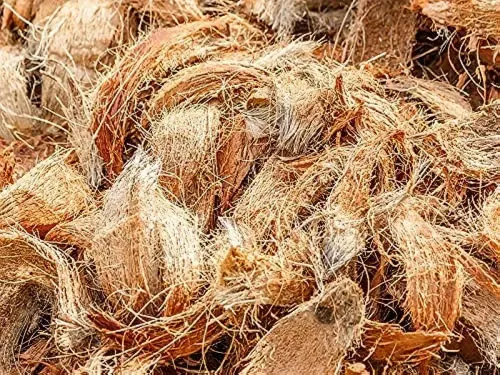
Key sectors supported include food processing , bamboo products , mushroom cultivation , handicrafts , and coir products .
Banshailang Marbaniang of Mawsynram, Meghalaya was among ten North-East entrepreneurs invited to Republic Day on Kartavya Path after building a food-processing enterprise through the scheme.
The Ministry of Micro, Small and Medium Enterprises (MSME) has approved 109 Livelihood Business Incubators (LBIs) under its ASPIRE scheme across 27 states and Union Territories, training over 1.23 lakh beneficiaries since the programme's inception, according to an official statement released on Friday, 26 June. The scheme, launched in 2015, targets entrepreneurship and employment generation in rural and agro-based sectors.
Scale and Reach
Since systematic tracking began in FY 2022-23, ASPIRE-supported incubators have facilitated the establishment of more than 1,200 micro-enterprises across the country. The programme has also made measurable inroads on inclusion: it has reached over 8,700 Scheduled Caste (SC) beneficiaries, above 9,600 Scheduled Tribe (ST) beneficiaries, and more than 17,600 Other Backward Class (OBC) beneficiaries, according to the ministry's data.
What the Incubators Do
The LBIs support enterprises in sectors such as food processing, honey production, bamboo products, mushroom cultivation, spice processing, handicrafts, and coir products. Beyond training, the incubators provide access to modern equipment, business mentoring, technology support, product development, branding, regulatory compliance, market linkages, and access to finance — covering the full journey from idea to operating enterprise.
Programme Architecture
ASPIRE operates through a three-tier structure comprising a Scheme Steering Committee, designated Mentor Institutes, and Host Institutions that run the LBIs on the ground. Mentor Institutes are responsible for identifying incubators, preparing project plans, designing incubation programmes, and monitoring outcomes. The ecosystem includes institutions such as the Indian Institute of Entrepreneurship (IIE), Guwahati, agricultural universities, technical institutes, and premier bodies like IIT Jodhpur.
A Success Story from the North-East
The government highlighted the case of Banshailang Marbaniang of Mawsynram, Meghalaya, who used training received through IIE Guwahati to establish a food-processing enterprise. Marbaniang was subsequently among ten North-East entrepreneurs invited to attend Republic Day celebrations on Kartavya Path — a recognition that underscores the scheme's reach into some of India's more remote entrepreneurial communities.
What Comes Next
With the incubation network now spanning more than half the country's states and Union Territories, the Ministry of MSME's focus is expected to shift toward deepening outcomes — converting trained beneficiaries into sustainable micro-enterprises at a higher rate. The programme's ability to scale market linkages and access to finance will be critical to whether the 1,200-plus enterprises already seeded can grow beyond the incubation stage.
Point of View
200 micro-enterprises from 1.23 lakh trained beneficiaries is a conversion rate of under 1%. That gap — between skill acquisition and actual enterprise creation — is the scheme's real policy challenge, and one the ministry's statement sidesteps. The inclusion data on SC, ST, and OBC reach is genuinely encouraging, but rural micro-enterprises need sustained market linkages and credit access to survive beyond the incubation phase. Until the government publishes survival rates of ASPIRE-seeded enterprises at the two- and five-year mark, the headline numbers tell only half the story.
NationPress
25 Sept 2026
Frequently Asked Questions
What is the ASPIRE scheme launched by the Ministry of MSME?
ASPIRE — A Scheme for Promotion of Innovation, Rural Industry and Entrepreneurship — was launched by the Ministry of MSME in 2015 to foster entrepreneurship and employment in rural and agro-based sectors. It operates through a network of Livelihood Business Incubators that take individuals from skill training to enterprise creation.
How many incubators and beneficiaries does ASPIRE cover?
As of the latest official data, ASPIRE has approved 109 Livelihood Business Incubators across 27 states and Union Territories and trained over 1.23 lakh beneficiaries . More than 1,200 micro-enterprises have been established since systematic tracking began in FY 2022-23.
Which communities has ASPIRE prioritised for inclusion?
The scheme has specifically reached over 8,700 SC beneficiaries , above 9,600 ST beneficiaries , and more than 17,600 OBC beneficiaries , according to ministry data. This focus on marginalised communities is central to the programme's inclusion mandate.
What sectors do ASPIRE incubators support?
ASPIRE-supported LBIs work across food processing , honey production , bamboo products , mushroom cultivation , spice processing , handicrafts , and coir products . Entrepreneurs also receive support on branding, regulatory compliance, market linkages, and access to finance.
Which institutions are part of the ASPIRE incubation ecosystem?
The ecosystem includes the Indian Institute of Entrepreneurship (IIE), Guwahati , agricultural universities, technical institutes, and premier institutions such as IIT Jodhpur . These act as Mentor Institutes that design incubation programmes and monitor outcomes at the ground level.