Finance Ministry calls meeting with banks before 3-day strike from Sep 28
Synopsis
With a three-day bank strike from September 28 threatening to stretch into a five-consecutive-day closure over a weekend and half-yearly closing, the Finance Ministry has called PSB chiefs and the IBA for an emergency contingency meeting. UFBU's core demand — a five-day banking week — remains unresolved after conciliation talks and a September 11 strike that had already disrupted services across five states.
Key Takeaways
The Finance Ministry has convened a meeting with PSB chiefs , RRBs , IBA , and NABARD on 22 September to plan for the strike.
The United Forum of Bank Unions (UFBU) has called a three-day nationwide bank strike starting 28 September .
Branch services could be disrupted for up to five consecutive days (26–30 September) due to the weekend overlap.
The strike coincides with the half-yearly closing period , raising concerns over cheque processing and cash transactions.
Key UFBU demands include a five-day banking week , improved pension benefits, and an option to switch from NPS to the old pension scheme.
Conciliation talks after the 26 August strike notice failed to produce a breakthrough; a previous strike on 11 September disrupted services in Madhya Pradesh , Goa , Telangana , Uttar Pradesh , and West Bengal .
The Finance Ministry has convened a high-level meeting of chief executives of public sector banks (PSBs), regional rural banks (RRBs), the Indian Banks' Association (IBA), and NABARD on Monday, 22 September 2025, to review contingency plans ahead of a proposed three-day nationwide bank strike beginning 28 September. The meeting will be chaired by the Secretary of the Department of Financial Services (DFS) and comes as concerns mount over potential disruptions during a critical banking period.
What the Meeting Will Cover
Officials are expected to focus on measures to ensure continuity of essential banking operations during the strike window. Key discussion points include contingency arrangements for over-the-counter services, cash availability, and cheque clearances. The timing is particularly sensitive because the proposed strike coincides with the half-yearly closing period for banks — a high-transaction phase when both institutional and retail customers have elevated banking needs.
Who Has Called the Strike and Why
The strike has been called by the United Forum of Bank Unions (UFBU), an umbrella body representing seven bank employee and officer unions that claims to represent nearly 90 per cent of the country's banking workforce. The primary demand is the implementation of a five-day banking week. Additional demands include improvements in pension benefits, a uniform dearness allowance formula for pensioners, and an option for employees under the National Pension System (NPS) to switch to the old pension scheme.
The UFBU had served a strike notice on 26 August, following which conciliation meetings were held involving union representatives, the IBA, and government officials. However, the discussions failed to produce a breakthrough, particularly on the five-day work week demand.
Impact of the September 11 Strike — A Preview
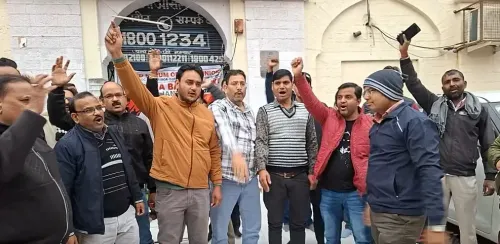
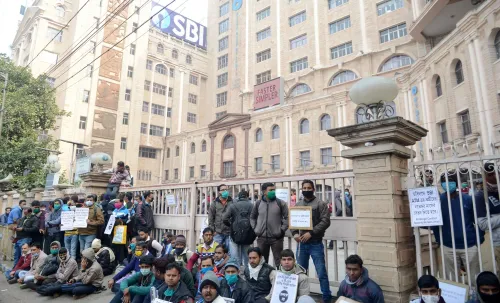
This is not the first industrial action on these demands. UFBU had earlier called a nationwide strike on 11 September, which affected over-the-counter services, cash transactions, and cheque clearances across several parts of the country. While banking operations remained largely normal in Mumbai, disruptions were reported in states including Madhya Pradesh, Goa, Telangana, Uttar Pradesh, and West Bengal, particularly in smaller cities and towns. The upcoming strike is expected to have a wider reach if conciliation fails again.
Why Up to Five Consecutive Days May Be Affected
The potential disruption window is wider than the three-day strike itself. Since 26 and 27 September fall on a weekend, normal branch operations could be affected for up to five consecutive days — from 26 to 30 September. This extended closure raises concerns about cheque processing, cash transactions, and other branch-dependent services for both businesses and individual customers. Notably, the half-yearly closing pressure adds an additional layer of urgency to Monday's government-initiated meeting.
What Happens Next
The outcome of Monday's Finance Ministry meeting will determine the Centre's immediate response strategy. If no resolution emerges between the government, IBA, and UFBU before 28 September, customers should expect branch-level disruptions across public sector banks, with digital and ATM banking likely to remain operational. All eyes are now on whether a fresh round of talks can break the deadlock before the deadline.
Point of View
Already standard in many OECD banking systems, is a legitimate labour modernisation demand or a productivity trade-off India's public banking system cannot yet afford. With UFBU claiming to represent 90 per cent of the workforce and having already demonstrated strike readiness on September 11, the burden of a credible counter-proposal now rests squarely with the IBA and the DFS.
NationPress
20 Sept 2026
Frequently Asked Questions
Why is the Finance Ministry holding a meeting ahead of the bank strike?
The Finance Ministry has called PSB chiefs, RRBs, IBA, and NABARD to review contingency plans and ensure essential banking services remain available during the proposed three-day strike from September 28. The meeting is chaired by the Secretary of the Department of Financial Services and focuses on minimising customer disruptions, especially during the half-yearly closing period.
Who has called the bank strike and what are their demands?
The United Forum of Bank Unions (UFBU), representing seven bank employee and officer unions and claiming to cover nearly 90 per cent of the banking workforce, has called the strike. Key demands include a five-day banking week, improved pension benefits, a uniform dearness allowance formula for pensioners, and an option to switch from the National Pension System to the old pension scheme.
How many days could banking services actually be disrupted?
Although the formal strike is three days starting September 28, branch services could be affected for up to five consecutive days — from September 26 to 30 — because September 26 and 27 fall on a weekend. This extended window raises concerns about cheque processing, cash availability, and other branch-dependent transactions.
What happened during the September 11 bank strike?
The UFBU's previous nationwide strike on September 11 disrupted over-the-counter banking services, cash transactions, and cheque clearances in several states. While Mumbai remained largely unaffected, disruptions were reported in Madhya Pradesh, Goa, Telangana, Uttar Pradesh, and West Bengal, particularly in smaller cities and towns.
Can the September 28 strike still be called off?
It is possible if a fresh round of talks between UFBU, IBA, and government officials produces a breakthrough before the strike date. However, earlier conciliation meetings following the August 26 strike notice failed to resolve the core demand for a five-day banking week, making a last-minute settlement uncertain.