What Led to the Investigation of Bithumb's Massive Bitcoin Payout?

Synopsis
Discover how Bithumb, a major crypto exchange, is under investigation for mistakenly distributing over $41 billion in bitcoins. What triggered this shocking event and what are the implications for the cryptocurrency market? Read on to find out more!
Key Takeaways
Bithumb mistakenly disbursed 620,000 bitcoins during a promotional campaign.
The Financial Supervisory Service (FSS) is conducting a serious investigation.
Most of the mistakenly sent bitcoins were retrieved, but some were sold off.
Centralized exchanges can face issues with phantom balances.
Regulators are pushing for stricter IT security regulations.
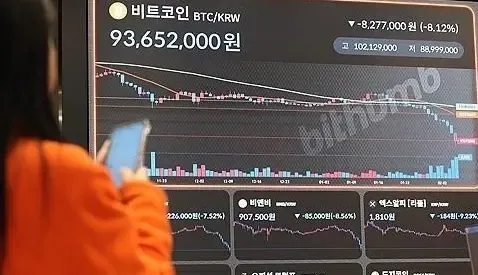
Seoul, February 10 (NationPress) — Financial regulators initiated a formal investigation on Tuesday into Bithumb, a prominent local cryptocurrency exchange, to ascertain how it could have disbursed over 60 trillion won ($41.2 billion) in bitcoins that it seemingly did not possess, according to industry insiders.
On Monday, regulators notified the exchange that an investigation would commence, just three days following an on-site examination, as reported by the Yonhap news agency.
“We are treating this matter with utmost seriousness,” stated an official from the Financial Supervisory Service (FSS). “The FSS is prepared to enforce strict legal actions against any activities that disrupt market order.”
Last Friday, Bithumb mistakenly transferred 620,000 bitcoins instead of the intended 620,000 won to 249 users during a promotional event, which led to a sell-off on the platform.
While most of the erroneously sent bitcoins were promptly recovered, 1,788 tokens had already been liquidated, according to a statement from the crypto exchange.
Exchanges like Bithumb utilize a “book-entry trading system”, where ownership is recorded and trades are executed electronically in their internal databases, rather than logging each transaction on the public blockchain.
This system, if mismanaged, can create “phantom balances”, leading to inconsistencies between reported balances and actual reserves.
As of the end of September, Bithumb had approximately 42,000 bitcoins, with all but 175 tokens being customer-trusted cryptocurrencies.
The investigation is also taking place amidst pending legislation concerning virtual assets in the National Assembly.
The financial oversight body announced plans to introduce measures that will impose stricter penalties on financial institutions for IT infrastructure-related incidents.
The FSS indicated that it intends to formulate strategies to mitigate IT-related accidents in the financial sector, which will encompass punitive measures and enhanced IT security regulations to better safeguard consumers.
Point of View
We must approach this situation with a balanced perspective. While the Bithumb incident raises significant concerns regarding regulatory oversight and market stability, it also highlights the ongoing challenges faced by cryptocurrency exchanges. It is crucial to scrutinize the implications of this event for both the exchange and its customers, ensuring that we advocate for greater transparency and accountability in the sector.
NationPress
10 Sept 2026
Frequently Asked Questions
Why is Bithumb being investigated?
Bithumb is under investigation due to an accidental payout of over 60 trillion won ($41.2 billion) in bitcoins that it reportedly did not possess.
What happened during the promotional event?
During a promotional event, Bithumb mistakenly sent 620,000 bitcoins instead of 620,000 won to several customers, leading to significant market repercussions.
How does Bithumb's trading system work?
Bithumb utilizes a 'book-entry trading system' where ownership and trades are recorded electronically within their internal databases.
What measures are regulators considering?
Regulators are looking to introduce stricter penalties on financial companies for IT-related accidents and enhance regulations on IT security.
What are phantom balances?
Phantom balances occur when discrepancies arise between listed balances and actual reserves due to mishandling of the trading system.