CEAT shares crash 9% after Q1 FY27 net profit plunges 96% on input cost surge
Synopsis
CEAT posted revenue growth of over 22% in Q1 FY27 — and still managed to earn just ₹4 crore in net profit, down 96% year-on-year. The culprit: West Asia-conflict-driven raw material inflation that compressed EBITDA margins to 8.5% from 11%. With management warning costs stay elevated in Q2, the pain may not be over.
Key Takeaways
CEAT shares fell 9.3 per cent to an intraday low of ₹3,473.05 on the BSE on 17 July .
Consolidated net profit crashed 96 per cent year-on-year to ₹4 crore in Q1 FY27 , from ₹112 crore a year ago.
Revenue from operations rose 22.4 per cent to ₹4,318 crore , but was insufficient to offset input cost inflation.
EBITDA margin contracted to 8.5 per cent from 11 per cent in the year-ago quarter.
MD & CEO Arnab Banerjee warned that raw material prices are expected to remain elevated in Q2 FY27 .
The stock has declined roughly 8 per cent over the past year, underperforming the broader market.
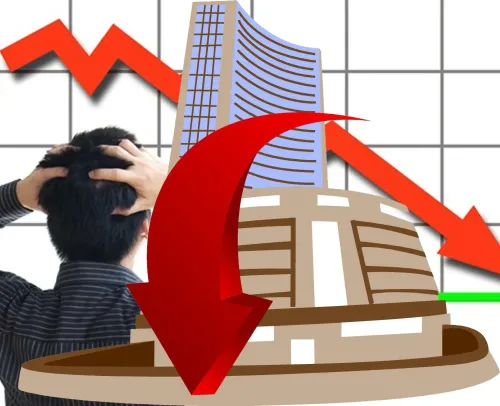
CEAT shares tumbled as much as 9.3 per cent to an intraday low of ₹3,473.05 on the BSE on Friday, 17 July, after the tyre manufacturer reported a near-total collapse in quarterly profit, with surging raw material costs — linked to the ongoing West Asia conflict — wiping out gains from robust revenue growth.
Earnings at a Glance
CEAT's consolidated net profit fell 96 per cent year-on-year to just ₹4 crore in the first quarter of FY27, compared with ₹112 crore in the same period a year ago. The sharp erosion came even as revenue from operations climbed 22.4 per cent year-on-year to ₹4,318 crore, up from ₹3,529 crore — underscoring how dramatically input cost inflation has outpaced topline momentum.
Margins Under Siege
Operating performance deteriorated alongside the profit line. EBITDA declined 5.7 per cent to ₹365 crore from ₹387 crore a year earlier, while the EBITDA margin contracted sharply to 8.5 per cent from 11 per cent in the year-ago quarter. The company attributed the pressure to elevated raw material prices, which it said were driven by supply disruptions stemming from the West Asia conflict.
What the Management Said
Managing Director and CEO Arnab Banerjee said the company had raised tyre prices in phases to partially absorb the input cost spike while preserving demand and market share. He cautioned, however, that raw material prices are expected to remain elevated through the second quarter of FY27, signalling that margin relief may not arrive soon.
Stock Performance in Context
The stock had already been under pressure well before Friday's selloff. CEAT shares have declined roughly 8 per cent over the past year, underperforming the broader market. The stock has shed more than 8 per cent in the last six months and is down nearly 6 per cent year-to-date. Friday's intraday low of ₹3,473.05 compares with a 52-week high of ₹4,431.60 and a 52-week low of ₹3,006.50 on the BSE.
What to Watch Next
Investor focus will now shift to whether CEAT can sustain its recent price hikes without losing market share, and how quickly — if at all — commodity costs ease. A prolonged West Asia conflict keeping natural rubber and crude-linked inputs elevated would make a Q2 recovery difficult. The tyre sector more broadly faces the same headwinds, making the next quarterly earnings cycle a critical test for the industry's pricing power.
Point of View
And the West Asia conflict has made that stack unpredictable. The company's strategy of phased price hikes is rational but risky: push too hard and volume suffers; hold back and margins stay crushed. With management itself flagging continued cost pressure in Q2, the market is right to reprice the stock. The deeper question is whether the entire tyre sector is underpricing geopolitical commodity risk in its guidance assumptions.
NationPress
15 Oct 2026
Frequently Asked Questions
Why did CEAT shares fall sharply on 17 July?
CEAT shares fell as much as 9.3 per cent to ₹3,473.05 on the BSE after the company reported a 96 per cent year-on-year decline in Q1 FY27 net profit to ₹4 crore. Investors reacted to the dramatic margin compression caused by elevated raw material costs linked to the West Asia conflict.
What were CEAT's Q1 FY27 revenue and profit numbers?
CEAT reported revenue from operations of ₹4,318 crore in Q1 FY27, up 22.4 per cent year-on-year. However, consolidated net profit fell 96 per cent to just ₹4 crore, compared with ₹112 crore in Q1 FY26.
What caused CEAT's profit to collapse despite strong revenue growth?
Higher raw material costs, driven by supply disruptions from the ongoing West Asia conflict, severely squeezed margins. EBITDA fell 5.7 per cent to ₹365 crore and the EBITDA margin contracted to 8.5 per cent from 11 per cent a year earlier.
Will CEAT's margins recover in Q2 FY27?
Recovery looks uncertain in the near term. MD & CEO Arnab Banerjee said raw material prices are expected to remain elevated during the second quarter, even as the company continues phased tyre price increases to partially offset costs.
How has CEAT stock performed over the past year?
CEAT shares have declined roughly 8 per cent over the past year, underperforming the broader market. The stock is also down more than 8 per cent in the last six months and nearly 6 per cent year-to-date, with a 52-week high of ₹4,431.60 and a 52-week low of ₹3,006.50 on the BSE.