CM Rekha Gupta Approves Delhi Right to Service Bill 2026

Synopsis
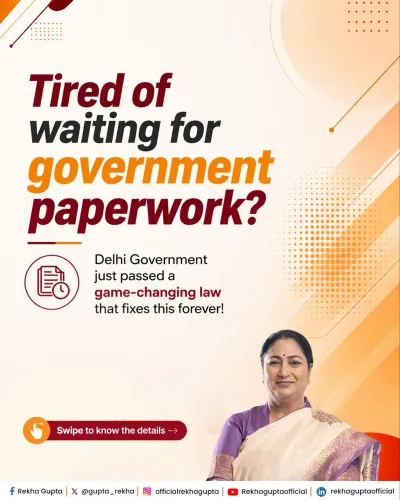
Delhi Chief Minister Rekha Gupta has announced cabinet approval of the Delhi (Right of Citizen to Time Bound and Ease of Delivery of Services) Bill, 2026. The law guarantees time-bound, transparent government services to all Delhi residents, introduces automatic escalation of pending cases, and creates an independent Right to Service Commission with powers to penalise negligent officials.
Key Takeaways
The Delhi (Right of Citizen to Time Bound and Ease of Delivery of Services) Bill, 2026 received cabinet approval on 17 July 2026 .
Every Delhi resident will have a legal right to receive government services within defined timelines.
Pending cases will automatically escalate to the next senior officer if the deadline is missed, removing the burden from the citizen.
An independent Right to Service Commission will be constituted to adjudicate complaints and enforce accountability.
Officials found negligent in service delivery will face financial penalties under the new law.
The bill follows a model adopted by more than 20 Indian states since Madhya Pradesh pioneered right-to-service legislation in 2010 .
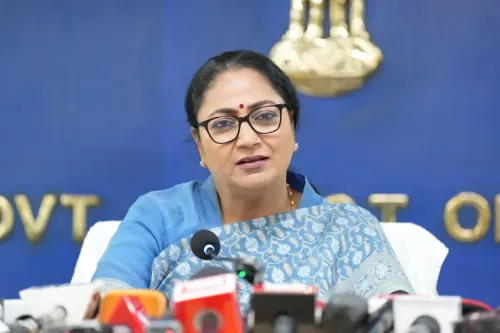
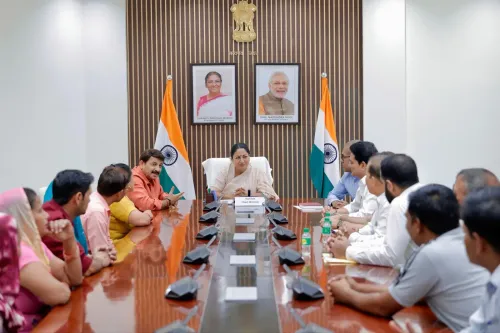
Delhi Chief Minister Rekha Gupta announced on Friday, 17 July 2026 that the Delhi (Right of Citizen to Time Bound and Ease of Delivery of Services) Bill, 2026 has received cabinet approval, granting every resident of the national capital a legal right to timely, transparent, and accountable government services.
Context
Posting on X, CM Gupta described the move as an 'ऐतिहासिक कदम' (historic step), stating that the law will give 'दिल्ली के हर नागरिक को समय पर, पारदर्शी और जवाबदेह सरकारी सेवाओं का कानूनी अधिकार' — 'every citizen of Delhi a legal right to timely, transparent and accountable government services.' The announcement was tagged under the hashtag #ViksitDelhi, the BJP-led Delhi government's flagship governance branding.
Under the bill, government services must be delivered within defined timelines. If an official fails to act within the stipulated period, the case will automatically escalate to the next senior officer — a mechanism designed to eliminate deliberate delays without requiring the citizen to follow up manually.
Policy Backdrop
The Right to Public Services movement in India gained momentum in 2010 when Madhya Pradesh became the first state to enact such a law. More than twenty Indian states have since adopted similar statutes to curb delays and petty corruption in routine administration. The central government has consistently promoted these frameworks as part of its broader e-governance and administrative reform agenda.
The Delhi Bill, 2026 incorporates features already operational in states such as Bihar and Rajasthan, including automatic escalation of pending cases and financial penalties on errant officials. It aligns with the BJP's stated 'Ease of Living' agenda, which seeks to reduce friction between citizens and the state in everyday transactions.
Key Provisions and Stakeholder Impact
The bill mandates the creation of a Right to Service Commission, an independent statutory body that will adjudicate citizen complaints and enforce accountability. Officials found negligent in delivering services within prescribed timelines will be liable to financial penalties.
For Delhi's estimated population of over 2 crore residents, the practical implications span routine services — from caste and domicile certificates to building plan approvals and ration card issuance. The automatic escalation clause is particularly significant: it removes the burden of repeated follow-ups from the citizen and places the onus of compliance squarely on the administration.
What's Next
The bill must now proceed through the formal legislative process in the Delhi Legislative Assembly before it becomes enforceable law. Key milestones to watch include the notification of service-specific timelines, the formal constitution of the Right to Service Commission, and the framing of rules governing penalties for officials. The composition and independence of the commission will be closely scrutinised by governance observers and opposition parties alike.
If implemented robustly, the law could position Delhi among the more progressive right-to-service regimes in the country — and serve as a governance benchmark for other large urban administrations ahead of future electoral cycles.
Point of View
2026 is less a policy innovation than a political statement — the BJP-led Delhi government signalling a clean break from the governance style of its predecessor by institutionalising accountability in citizen-state interactions. Coming within months of the BJP's return to power in Delhi, the bill's emphasis on automatic escalation and independent adjudication is calibrated to resonate with urban, middle-class voters who experienced bureaucratic delays acutely. The creation of the Right to Service Commission, however, will be the real test: similar bodies in other states have had mixed records on independence and enforcement. If Delhi's commission is staffed and empowered credibly, the law could meaningfully shift administrative culture in one of India's most scrutinised capitals.
NationPress
17 Jul 2026
Frequently Asked Questions
What is the Delhi Right to Service Bill 2026?
The Delhi (Right of Citizen to Time Bound and Ease of Delivery of Services) Bill, 2026 is a law approved by the Delhi cabinet that gives every Delhi resident a legal right to receive government services within fixed timelines, with automatic escalation and penalties for officials who fail to comply.
Who announced the Delhi Right to Service Bill 2026?
Delhi Chief Minister Rekha Gupta announced the cabinet approval of the bill on 17 July 2026 via a post on X.
What is the Right to Service Commission in Delhi?
The Right to Service Commission is an independent statutory body that will be set up under the new law to receive and adjudicate citizen complaints about delayed or denied government services, and to impose penalties on negligent officials.
What happens if a Delhi government official does not deliver a service on time?
Under the bill, if an official fails to act within the prescribed deadline, the case automatically escalates to the next senior officer. The errant official can also face a financial penalty.
Is Delhi the first state to have a Right to Service law in India?
No. Madhya Pradesh became the first Indian state to enact such a law in 2010, and more than twenty states have since adopted similar legislation. Delhi's 2026 bill incorporates features like automatic escalation and independent commissions already seen in states such as Bihar and Rajasthan.