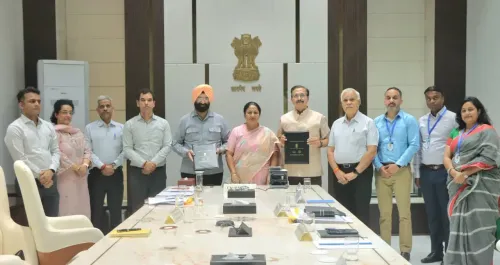
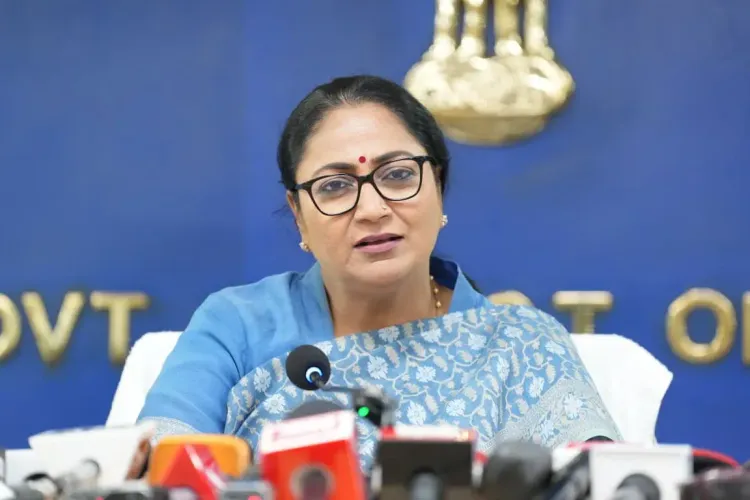
Delhi adds 23 services under time-bound delivery law, CM Rekha Gupta announces
Synopsis
Delhi's Rekha Gupta government has brought 23 new services — spanning factory approvals, sewerage connections, film permits, food-business NOCs, and mobile tower installations — under the legally enforceable time-bound delivery law. For the first time, businesses in hospitality, construction, and tourism have a statutory clock ticking on their applications.
Key Takeaways
Delhi government added 23 new services under the Delhi Right of Citizens to Time-Bound Delivery of Services Act, 2011 on 22 June .
Shops and Establishments Act registrations will now be completed within one day ; factory plan approvals within 15 days .
Delhi Jal Board sewerage connections and film shooting permissions must be delivered within 15 days .
Food-business NOCs, hotel registrations, and amusement park approvals will be processed within 60 days .
Mobile tower installation permissions capped at 30 days ; PWD road-cutting permits at 45 days .
Chief Minister Rekha Gupta said the move strengthens administrative accountability and supports Ease of Doing Business .
The Delhi government has brought 23 new services under the Delhi Right of Citizens to Time-Bound Delivery of Services Act, 2011, Chief Minister Rekha Gupta announced on Monday, 22 June. The move is aimed at reducing bureaucratic delays and ensuring that citizens and businesses receive approvals, licences, registrations, and No Objection Certificates (NOCs) within defined timelines.
Key Developments
Under the expanded framework, the Labour Department will approve factory plans within 15 days, while registration under the Shops and Establishments Act will be completed within a single day. The Delhi Jal Board will provide sewerage connections within 15 days, and the Delhi Tourism and Transportation Development Corporation will issue film shooting permissions within 15 days.
Applications related to electricity meters and connection agreements under the Energy Department will be processed within 60 days. The Delhi Pollution Control Committee (DPCC) will issue authorisations for collection, storage, transportation, and recycling of battery waste under the Battery Waste Management Rules within 15 days.
Municipal Services Covered
Among municipal services, registrations for water and adventure sports operators and approvals for amusement parks will be issued within 60 days. NOCs from local bodies required for State Licences for food businesses, hotel registrations or operational permissions, and slaughterhouse licences will also be granted within 60 days.
Permission for the installation of mobile towers will be provided within 30 days, while the Public Works Department (PWD) will process road-cutting permissions and associated works within 45 days.
What the Government Said
Chief Minister Gupta stated that the objective is to protect citizens' rights while strengthening administrative accountability. She added that the reforms align with the broader national push for Ease of Doing Business championed under Prime Minister Narendra Modi, and that Delhi is developing systems to create a more convenient environment for industries, commercial establishments, startups, and the service sector.
Gupta said the time-bound delivery mechanism is expected to reduce unnecessary delays and repeated visits to government offices — a long-standing grievance for both residents and businesses operating in the capital.
Why It Matters
The expansion of the 2011 Act signals a structural push toward accountable governance in Delhi, where service delays have historically been a friction point for small businesses, hospitality operators, and construction firms. By codifying timelines into law, citizens gain a legal basis to escalate non-compliance. Notably, sectors such as tourism, hospitality, and construction — which collectively employ a significant share of Delhi's workforce — stand to benefit directly from faster approvals and licence processing.
The government is expected to notify the updated service list through official channels, with departments required to operationalise the new timelines immediately.
Point of View
But the real test lies in enforcement — Delhi's service-delivery record has historically suffered less from missing legislation and more from departmental non-compliance. Codifying timelines gives citizens a legal hook, but without a visible grievance-redressal mechanism or penalty framework for defaulting officials, the new deadlines risk becoming aspirational rather than binding. The inclusion of sectors like hospitality and construction is significant, given their outsized share of urban employment, but the 60-day window for several approvals still leaves room for bureaucratic drift. Watching whether the DPCC and PWD — traditionally slow movers — actually hit their new timelines will be the real indicator of whether this reform has teeth.
NationPress
21 Sept 2026
Frequently Asked Questions
What is the Delhi Right of Citizens to Time-Bound Delivery of Services Act, 2011?
It is a Delhi law that legally mandates government departments to deliver specified services — approvals, licences, registrations, and NOCs — within fixed timeframes. Citizens can escalate complaints if deadlines are missed, making the government accountable for delays.
Which 23 new services have been added under the Act?
The newly added services span multiple departments and include factory plan approvals (15 days), Shops and Establishments Act registrations (1 day), Delhi Jal Board sewerage connections (15 days), film shooting permissions (15 days), electricity meter applications (60 days), DPCC battery waste authorisations (15 days), food-business NOCs (60 days), hotel and amusement park permits (60 days), mobile tower installation permissions (30 days), and PWD road-cutting approvals (45 days), among others.
Who benefits from this expansion?
The expansion directly benefits ordinary Delhi residents as well as businesses in industry, trade, hospitality, tourism, construction, and the service sector. Startups and commercial establishments seeking licences and registrations are among the primary beneficiaries.
How does this connect to the national Ease of Doing Business push?
Chief Minister Rekha Gupta said the reforms align with the Centre's Ease of Doing Business agenda led by Prime Minister Narendra Modi. The Delhi government is building systems to reduce friction for industries and commercial establishments, consistent with the broader national reform direction.
What happens if a department misses the stipulated deadline?
Under the Delhi Right of Citizens to Time-Bound Delivery of Services Act, 2011, citizens have a legal basis to escalate non-compliance. The Act is designed to hold departments accountable, though the government has not separately detailed specific penalty provisions in this announcement.