Giriraj Singh Calls Handloom India's Living Identity on NHD 2026
Synopsis
On National Handloom Day 2026, Union Textiles Minister Giriraj Singh called handloom India's ever-renewing cultural identity, urging citizens to adopt it as a present-day choice, not merely a heritage symbol. The day marks the 1905 Swadeshi Movement launch.
Key Takeaways
National Handloom Day is observed on 7 August every year, instituted by the Ministry of Textiles in 2015 .
The date commemorates the launch of the Swadeshi Movement on 7 August 1905 in Calcutta.
Union Textiles Minister Giriraj Singh called handloom 'the choice of our present and our future', not just a heritage item.
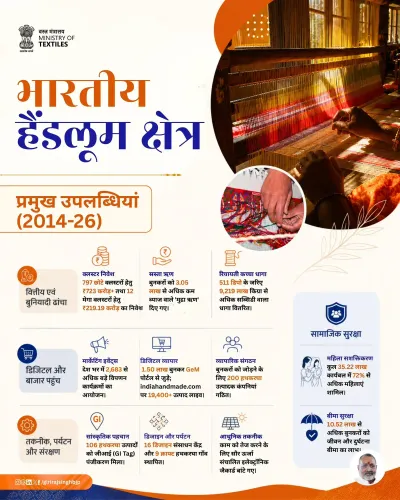
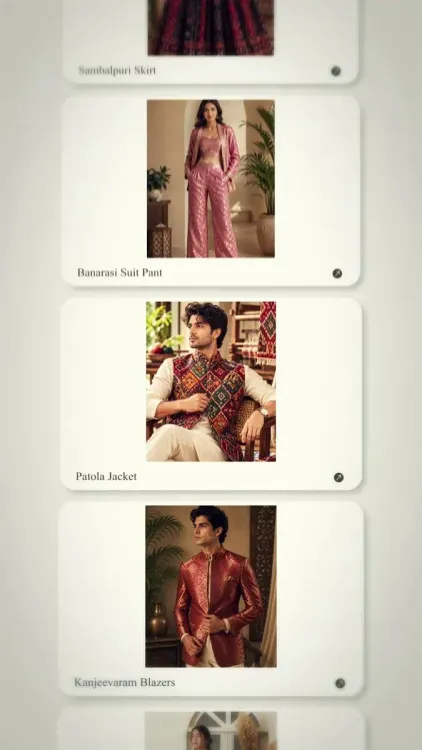
India's handloom sector spans regional clusters including Banarasi silk, Sambalpuri ikat, and Assam muga , supported through GI tagging and design upgradation schemes.
The sector competes with powerloom and synthetic alternatives, making cultural identity its primary market differentiator.
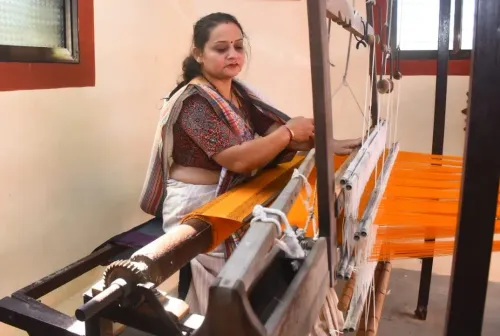
Fashion trends rise and fall, but one textile tradition has outlasted every era — and on National Handloom Day, 7 August 2026, Union Textiles Minister Giriraj Singh made the case that handloom is not a relic to be preserved behind glass, but a living choice for today and tomorrow.
Posting on the eve of the observance, Singh wrote: 'फैशन बदलता रहता है, लेकिन हैंडलूम हर दौर के साथ खुद को नए अंदाज में बुनता रहा है।' — 'Fashion keeps changing, but handloom keeps weaving itself anew with every era.' His message carried a pointed appeal: let handloom be not just heritage, but 'the choice of our present and our future.'
A Day Born from the Swadeshi Flame
National Handloom Day is observed every year on 7 August — a date chosen deliberately. On this day in 1905, the Swadeshi Movement was launched in Calcutta in response to the partition of Bengal, igniting a nationwide turn toward indigenous goods and, crucially, handwoven cloth. When the Ministry of Textiles institutionalised the observance in 2015, it anchored modern handloom promotion to that founding act of economic self-assertion.
The symmetry is intentional. Handloom, then, was resistance. The government's argument now is that it can be aspiration — a premium, culturally rooted alternative in a market crowded by powerloom and synthetic fabrics.
Cultural Identity as the Competitive Edge
Singh's framing goes beyond nostalgia. 'Your cultural identity is never out of style' — that line is a market argument as much as a sentimental one. India's handloom sector supports millions of weavers across regional clusters, from Varanasi's Banarasi silk to Odisha's Sambalpuri ikat to Assam's muga. Successive governments have pushed Geographical Indication (GI) tagging, design upgradation, and buyer-seller meets to sharpen the sector's commercial edge against cheaper machine-made alternatives.
The minister's post, carrying #NationalHandloomDay2026 and #NHD2026, lands at a moment when handloom's identity premium — the idea that wearing a handwoven fabric is a statement, not just a purchase — is the sector's strongest card against industrial competition.
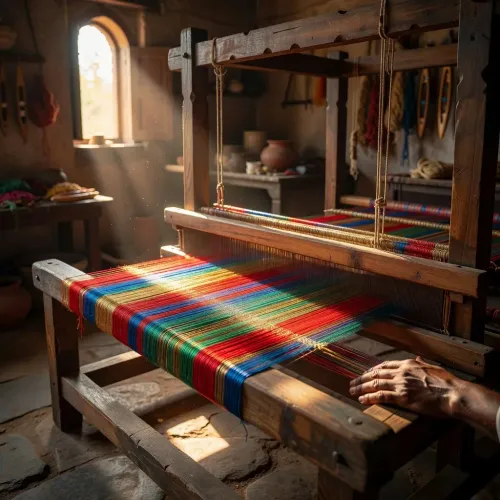
The loom has survived every fashion cycle so far. Singh's message is a bet that it will survive this one too — not by standing apart from contemporary taste, but by weaving itself into it.
Point of View
The Ministry of Textiles is effectively trying to convert sentiment into sustained demand, which is the sector's structural challenge. National Handloom Day has become an annual platform to test whether government messaging can move consumer behaviour, not just policy budgets. The real measure will be whether buyer-seller meets and GI tagging translate into market share gains against industrial alternatives.
NationPress
6 Aug 2026
Frequently Asked Questions
When is National Handloom Day celebrated in India?
National Handloom Day is celebrated on 7 August every year. The date marks the launch of the Swadeshi Movement on 7 August 1905 in Calcutta.
Why was National Handloom Day started?
The Ministry of Textiles instituted National Handloom Day in 2015 to mark the centenary of the Swadeshi Movement and to promote India's handloom sector and its weavers.
What did Giriraj Singh say on National Handloom Day 2026?
Union Textiles Minister Giriraj Singh urged Indians to make handloom the choice of their present and future, saying cultural identity is never out of style and handloom embodies that feeling.
What is the connection between handloom and the Swadeshi Movement?
The Swadeshi Movement , launched on 7 August 1905 against the partition of Bengal, promoted indigenous goods including handwoven cloth. National Handloom Day is observed on this date to honour that legacy.
How does the Indian government support handloom weavers?
The government supports handloom weavers through Geographical Indication (GI) tagging , design upgradation programmes, buyer-seller meets, and targeted interventions for regional weaving clusters across India.