Delhi CM Rekha Gupta orders tech overhaul of sub-registrar offices
Synopsis
Delhi's property registration system — long notorious for queues, middlemen, and fraud — is set for a top-down technology overhaul. Chief Minister Rekha Gupta is pushing AI-powered identity checks, blockchain-secured records, and an airport-style service experience at sub-registrar offices. The ambition is significant; the test will be execution.
Key Takeaways
Delhi CM Rekha Gupta has directed a tech-driven overhaul of all sub-registrar offices in the capital, announced on 23 May 2025 .
Offices are to be modelled on Passport Seva Kendras , with air-conditioned lounges, smart token systems, and real-time application tracking.
Planned technologies include AI-powered facial recognition , blockchain-backed record security , geo-fencing, and digital record management.
Private companies may help operate premium centres, but all statutory and decision-making powers remain with government officials .
The reform targets elimination of middlemen , revenue leakage, incorrect property valuation, and fraudulent paperwork.
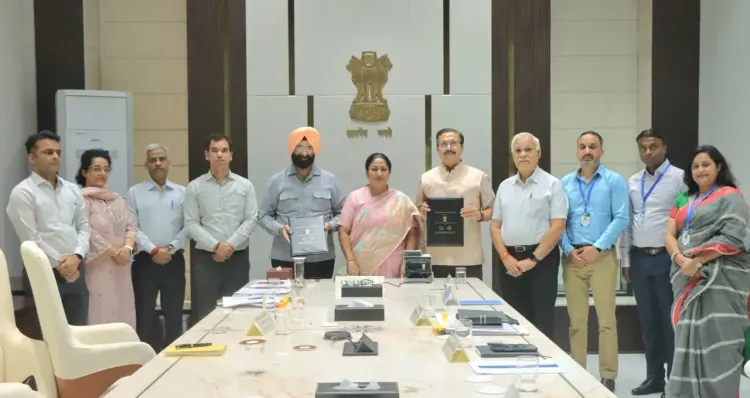
Delhi Chief Minister Rekha Gupta has directed a comprehensive technology-driven overhaul of the city's property registration infrastructure, with plans to transform all sub-registrar offices into modern, citizen-centric service centres modelled on the efficiency of Passport Seva Kendras, an official said on Saturday, 23 May 2025. The initiative aims to eliminate delays, corruption, middlemen, and procedural bottlenecks that have long plagued property registration in the capital.
What the Reform Envisions
According to the Chief Minister's office, the Delhi government intends to build one of the most advanced property registration systems in the country. The proposed model draws directly from the Passport Seva Kendra framework — appointment-based, time-bound, and digitally integrated.
Facilities planned under the new system include air-conditioned waiting lounges, help desks, digital assistance counters, trained staff, drinking water facilities, clean washrooms, smart token systems, and real-time application tracking. Chief Minister Gupta said citizens visiting sub-registrar offices 'deserve dignified, transparent and time-bound services.'
Technology at the Core
The reform blueprint incorporates a range of advanced technologies. AI-powered facial recognition will be used for identity verification, while blockchain-backed record security is planned to make property records tamper-proof. The government also intends to deploy geo-fencing, secure data integration, and digital record management to curb fraud and reduce property disputes.
'Online appointment booking, pre-verification services, live application tracking and smart token management are expected to reduce waiting times and improve transparency,' Chief Minister Gupta said. The new-generation offices will feature modern infrastructure supported by regularly updated software and advanced hardware.
Private Partners, Government Authority
Chief Minister Gupta clarified that while private companies may assist in establishing and operating premium model registrar centres, all statutory powers and final decision-making authority will remain exclusively with government officials. Experienced and established companies will be selected through a transparent bidding process, she added.
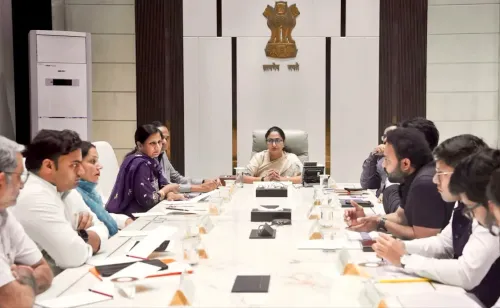
Several companies had already made presentations during a special meeting convened by the Chief Minister with senior departmental officials, showcasing how technology-driven systems and integrated digital services have helped other states deliver faster and more transparent public services.
Tackling Middlemen and Revenue Leakage
A key objective of the overhaul is to dismantle the ecosystem of touts and middlemen that has historically operated around sub-registrar offices in Delhi. The new system is also designed to address revenue leakage, incorrect property valuation, difficulties in tracking pending documents, and the risk of fraudulent paperwork.
'The Delhi government is working on a model designed to eliminate long queues, disorder, technical bottlenecks and unnecessary intervention in the registration process,' Gupta said. Reducing the burden on existing sub-registrar offices, she added, would allow government officials to concentrate more effectively on core administrative responsibilities.
With implementation details and vendor selection still pending, the pace at which these reforms move from proposal to operational reality will be closely watched by Delhi's property market and civil society alike.
Point of View
High-volume federal function with limited discretionary scope. Property registration involves valuation judgements, dispute-prone titles, and politically sensitive revenue — complexities that technology alone cannot resolve. The real reform test is whether the AI and blockchain layer is backed by clean underlying data and independent grievance redress, or whether it simply digitises existing dysfunction at higher cost.
NationPress
6 Oct 2026
Frequently Asked Questions
What is Delhi's sub-registrar office overhaul about?
Delhi Chief Minister Rekha Gupta has announced a technology-driven reform of all sub-registrar offices in the capital, aiming to replace the current system — marked by delays, middlemen, and fraud — with digitally integrated, citizen-centric service centres modelled on Passport Seva Kendras. The plan includes AI-powered identity verification, blockchain-secured records, and real-time application tracking.
What new facilities will be available at reformed sub-registrar offices?
The proposed centres will offer air-conditioned waiting lounges, help desks, digital assistance counters, trained staff, drinking water, clean washrooms, smart token systems, and real-time application tracking. Online appointment booking and pre-verification services are also planned to reduce repeat visits.
Will private companies run Delhi's new registrar offices?
Private partners may assist in establishing and operating premium model registrar centres, but the Delhi government has clarified that all statutory powers and final decision-making authority will remain exclusively with government officials. Vendors will be selected through a transparent process.
How will the reform address fraud and middlemen in property registration?
The new system plans to use AI-powered facial recognition for identity checks, blockchain-backed records to make documents tamper-proof, and geo-fencing alongside secure data integration to curb fraud. Eliminating the influence of touts and middlemen, plugging revenue leakage, and fixing incorrect property valuation are stated objectives of the overhaul.
When will the new property registration system be operational in Delhi?
No specific launch date has been announced. The Chief Minister held a preliminary meeting with senior officials and received company presentations, but vendor selection and implementation timelines are yet to be finalised. The proposal is currently at the planning and consultation stage.