Delhi CM Rekha Gupta pitches capital as global tourism hub, not transit stop
Synopsis
Delhi Chief Minister Rekha Gupta wants the capital to stop being a transit city and start being a destination — covering everything from heritage walks and night tourism to medical and wellness travel. With DTTDC signing new agreements and stakeholder inputs set to shape upcoming policy, this is Delhi's most structured tourism push in years.
Key Takeaways
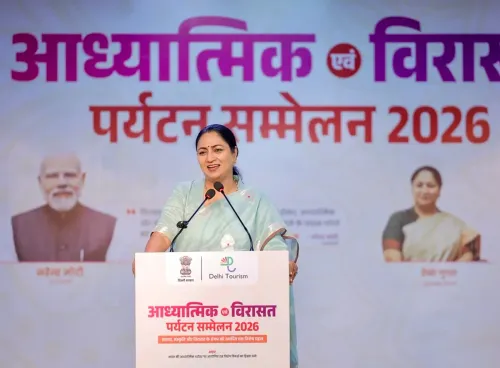
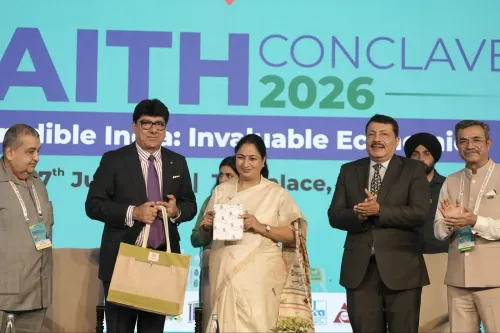
Delhi CM Rekha Gupta addressed a tourism stakeholder conference on Saturday, 3 May 2025 , outlining a vision to make New Delhi a global tourism destination.
The conference covered heritage, spiritual, digital, medical, wellness, and night tourism verticals, along with Delhi's brand positioning.
DTTDC signed several key agreements on the sidelines to boost collaboration and innovation in the sector.
The government is promoting large-scale concerts, film festivals, and cultural events to strengthen Delhi's global identity.
A film policy and single-window system are being deployed to provide time-bound, transparent services to the industry.
Stakeholder inputs will be incorporated into upcoming tourism policies and plans to be released in the near term.
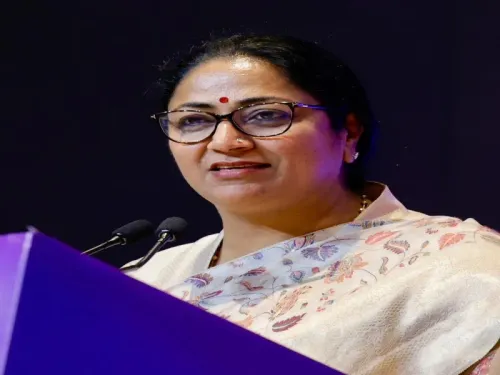
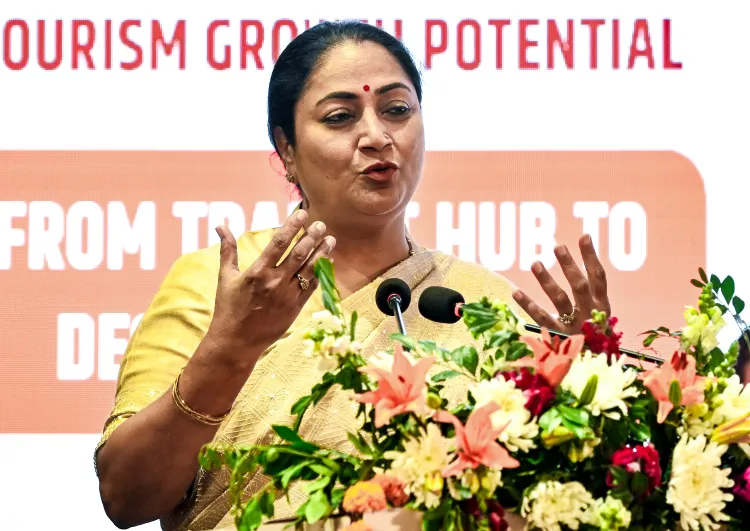
Delhi Chief Minister Rekha Gupta on Saturday, 3 May 2025, laid out her vision to transform New Delhi from a transit point into a world-class tourism destination, addressing a stakeholder conference that brought together industry leaders, policymakers, and domain experts across hospitality, heritage, and wellness sectors.
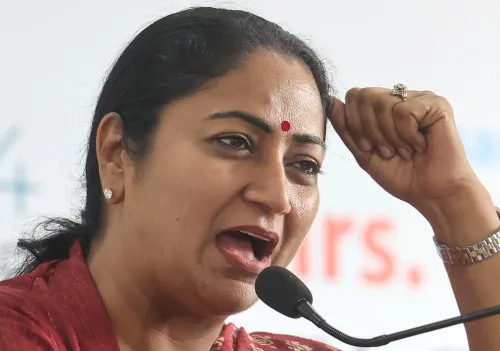
"It is time we position Delhi not just as a stopover, but as a destination city where tourists stay longer, immerse themselves in experiences, and keep coming back," Gupta said at the event.
Key Developments at the Conference
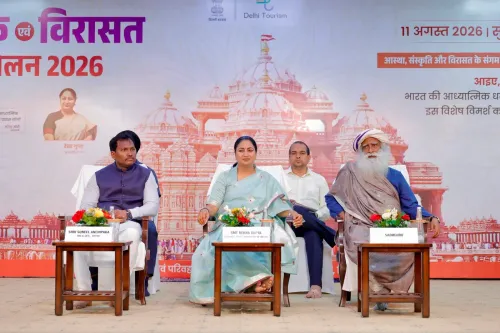
The conference was attended by Kapil Mishra, Delhi's Minister for Art, Culture, and Tourism, and Suneel Anchipaka, Managing Director of the Delhi Tourism and Transportation Development Corporation (DTTDC). On the sidelines, DTTDC signed several key agreements aimed at boosting collaboration and innovation in the tourism sector, though the specific partners were not immediately disclosed.
Chief Minister Gupta said the active participation of industry stakeholders, policymakers, and domain experts had produced several concrete and actionable suggestions. "These inputs and feedback will be incorporated into upcoming policies and plans to give a new direction to Delhi's tourism sector and make it more effective," she added.
Delhi's Tourism Strengths
Highlighting the city's existing assets, Gupta pointed to iconic landmarks including Parliament, Rashtrapati Bhavan, India Gate, the Prime Minister's Museum, the Red Fort, and Qutub Minar. She also underscored Delhi's diverse culture and cuisine as offering a complete and unique tourism experience that few Indian cities can match.
This comes amid a broader national push to grow India's share of global tourist arrivals, with the Centre targeting a significant expansion in inbound tourism over the next decade. Delhi, as the national capital and a primary international gateway, is seen as central to that ambition.
Expanding the Tourism Scope
The conference covered a wide range of tourism verticals — from heritage and spiritual tourism to digital, medical, wellness, and night tourism. The Chief Minister said the government is placing strong emphasis on positive brand positioning for Delhi, aiming to develop it not only as a tourism hub but also as a centre of medical and educational excellence.
"Our goal is to attract more visitors from across India and the world, encourage them to stay, and take back meaningful experiences," Gupta said.
Policy Push: Film, Events, and Single Window
The Chief Minister said the government is actively promoting large-scale concerts, film festivals, and cultural events to strengthen Delhi's global identity. She also highlighted that a film policy and a single-window system are being used to provide seamless, transparent, and time-bound services to the industry — a move aimed at reducing bureaucratic friction for event organisers and filmmakers choosing Delhi as a location.
Notably, the push into night tourism signals an intent to extend the city's economic activity beyond daylight hours, a model that has worked in cities like Singapore and Dubai. With concrete policy inputs now in hand, the government's next step will be translating stakeholder feedback into formal tourism policy documents in the weeks ahead.
Point of View
But the gap between stakeholder consultations and on-ground delivery has historically been wide in Delhi's governance. The inclusion of night tourism and medical tourism signals ambition beyond the usual heritage trail, but these verticals require sustained infrastructure investment and safety improvements that no single policy document can guarantee. The real test will be whether the DTTDC agreements and single-window system translate into measurable increases in average tourist stay duration — the one metric that separates a transit city from a destination city.
NationPress
23 Sept 2026
Frequently Asked Questions
What is Delhi CM Rekha Gupta's vision for tourism?
Chief Minister Rekha Gupta wants to position New Delhi as a global destination city rather than a transit stop, encouraging tourists to stay longer and engage with the city's heritage, culture, cuisine, medical facilities, and wellness offerings.
What tourism verticals were discussed at the conference?
The conference covered heritage, spiritual, digital, medical, wellness, and night tourism, along with Delhi's overall brand positioning. Stakeholders from tourism, hospitality, and allied sectors participated.
What agreements did DTTDC sign at the event?
The Delhi Tourism and Transportation Development Corporation (DTTDC) signed several key agreements on the sidelines of the conference to boost collaboration and innovation in the tourism sector. Specific partner details were not immediately disclosed.
How does Delhi plan to attract more tourists?
The government is promoting large-scale concerts, film festivals, and cultural events, while using a film policy and single-window clearance system to reduce bureaucratic friction for the industry. Stakeholder feedback will also be incorporated into upcoming tourism policies.
Who attended the Delhi tourism stakeholder conference?
The conference was attended by Delhi's Minister for Art, Culture, and Tourism Kapil Mishra, DTTDC Managing Director Suneel Anchipaka, and several experts from the tourism and allied sectors, alongside Chief Minister Rekha Gupta.