CM Rekha Gupta Invites World to Delhi on Tourism Day
Synopsis
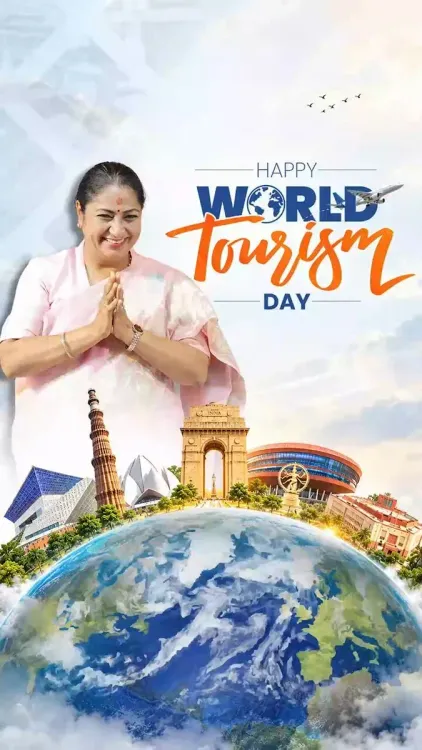
Delhi Chief Minister Rekha Gupta marked World Tourism Day 2026 by inviting the world to visit Delhi, framing the capital as a gateway to India's heritage, diversity, and development under the 'Atithi Devo Bhava' ethos.
Key Takeaways
Delhi CM Rekha Gupta posted a World Tourism Day message on 27 September 2026 inviting global visitors to the capital.
The post invoked the Sanskrit principle of Atithi Devo Bhava ('the guest is god') as the cultural foundation of India's hospitality.
Delhi was presented as a living showcase of the 'Viksit Bharat' (Developed India) narrative championed at the national level.
The message credited Prime Minister Narendra Modi's leadership for India's growing global cultural appeal.
India's Incredible India campaign, launched in 2002 , has long positioned Delhi's heritage as central to the country's inbound tourism pitch.
The post aligns with India's use of cultural diplomacy and heritage promotion as soft-power instruments on a global stage.
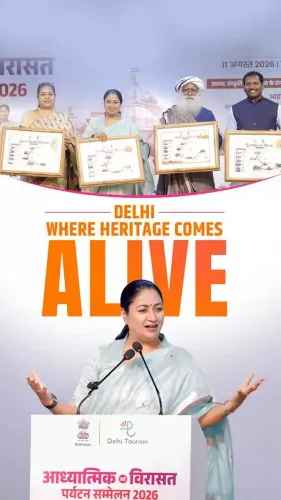
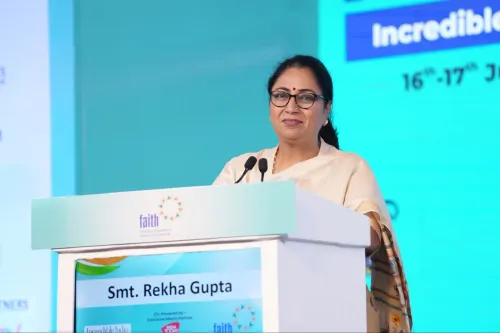
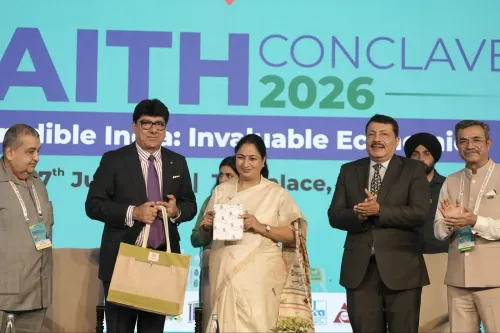
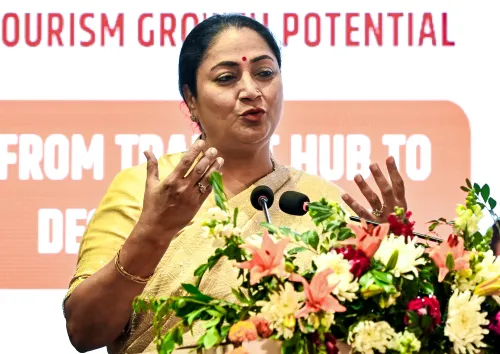
On World Tourism Day, 27 September 2026, Delhi Chief Minister Rekha Gupta extended a warm invitation to the world to experience the capital — casting the city not merely as a destination, but as a living window into a rising India. The message wove together heritage, culture, and the ancient Sanskrit ethos of Atithi Devo Bhava ('the guest is god') into a single, confident pitch for global visitors.
Posting on World Tourism Day, CM Gupta wrote: 'Under the leadership of respected Prime Minister Shri Narendra Modi, India is attracting the world today with its rich heritage, vibrant culture, and the values of 'Atithi Devo Bhava'. If you want to feel the developing India up close, come to Delhi.' She added that 'every lane tells a story, every monument connects you with history, and every colour introduces you to India's diversity.'
Delhi as India's Cultural Front Door
Delhi has long anchored India's national tourism strategy — a city where Mughal-era mausoleums stand minutes from modernist Parliament buildings, and where street food cultures from across the subcontinent converge in a single neighbourhood. As the primary entry point for a large share of international arrivals, the capital carries an outsized role in shaping the first impression of India that the world takes home.
That positioning is not accidental. The Incredible India campaign, first launched by the Ministry of Tourism in 2002, built its global identity around exactly these pillars — heritage, spirituality, diversity — and successive governments have layered on to it. The invocation of Atithi Devo Bhava, a phrase lifted from the Taittiriya Upanishad and adopted as the hospitality industry's guiding credo, signals a deliberate effort to frame Indian tourism as something deeper than sightseeing: a civilisational welcome.
Tourism, Soft Power, and the 'Viksit Bharat' Narrative
CM Gupta explicitly linked the tourism appeal to the broader Viksit Bharat ('Developed India') narrative championed at the national level. By urging visitors to 'see, know, and feel the developing India,' the post positions Delhi's monuments and lanes as evidence of a country in transformation — not just preserving its past, but building on it. Cultural diplomacy and inbound tourism have increasingly been used as soft-power instruments, and World Tourism Day, observed annually on 27 September by the United Nations World Tourism Organization, provides a natural global stage for such messaging.
For the tourism sector — from heritage-site guides at Red Fort and Humayun's Tomb to boutique hotels in Lutyen's Delhi — the signal matters. Official promotion from both the central and state levels tends to coincide with seasonal upticks, and the autumn-winter window beginning in October is traditionally Delhi's peak period for international footfall.
A city that wears three thousand years of history on its sleeve just sent a personal invitation to the world. The next chapter for Delhi's tourism story will be written in arrival numbers — and in whether the infrastructure behind the welcome matches the warmth of it.
Point of View
The Delhi CM reinforces a top-down cultural diplomacy strategy that seeks to make India's soft power legible to international audiences. The choice of Atithi Devo Bhava is deliberate: it shifts the conversation from infrastructure to identity, framing tourism as a civilisational exchange rather than a transactional visit. Watch whether this messaging is followed by concrete state-level announcements on heritage-site upgrades or tourist-arrival targets in the coming quarter.
NationPress
27 Sept 2026
Frequently Asked Questions
What did Delhi CM Rekha Gupta say on World Tourism Day 2026?
CM Rekha Gupta invited the world to visit Delhi on World Tourism Day 2026, saying every lane tells a story and every monument connects visitors with history, framing the city as a gateway to experiencing India's heritage and development.
What does 'Atithi Devo Bhava' mean in Indian tourism?
'Atithi Devo Bhava' is a Sanskrit phrase meaning 'the guest is god.' It is drawn from the Taittiriya Upanishad and has been adopted as the guiding ethos of India's hospitality and tourism sector, symbolising a deep cultural tradition of welcoming visitors.
When is World Tourism Day observed and why?
World Tourism Day is observed every year on 27 September. It is a United Nations World Tourism Organization initiative focused on raising awareness about the role of tourism in cultural exchange, economic growth, and international understanding.
What is the Incredible India campaign?
Incredible India is a global tourism promotion campaign launched by India's Ministry of Tourism in 2002. It markets India's heritage, culture, spirituality, and diversity to international visitors, with Delhi featuring prominently as a showcase destination.
Why is Delhi considered important for India's tourism strategy?
Delhi is India's national capital and a primary entry point for international tourists. It is home to iconic UNESCO World Heritage Sites and a diverse cultural landscape, making it the natural centrepiece of national tourism campaigns and cultural diplomacy efforts.