UPI charges row: Sitharaman rejects MDR claims, hits back at Jairam Ramesh
Synopsis
Finance Minister Nirmala Sitharaman has accused Congress’s Jairam Ramesh of spreading a ‘canard’ over UPI charges, insisting MDR under the Taxation and Other Laws (Amendment) Bill, 2026 hits only merchants — not consumers. But with Congress citing the RBI’s ₹2.86 lakh crore surplus to argue the fee is unnecessary, the row signals a deeper fight over who ultimately pays for India’s digital payments boom.
Key Takeaways
Finance Minister Nirmala Sitharaman on 6 August accused Congress leader Jairam Ramesh of spreading a ‘canard’ over UPI transaction charges.
Sitharaman clarified that Merchant Discount Rate (MDR) under the Taxation and Other Laws (Amendment) Bill, 2026 applies only to merchants , not end users or customers.
The minister argued MDR revenue would enable banks and fintech companies to invest in infrastructure, innovation, and security.
Jairam Ramesh alleged the amendment removes the statutory guarantee keeping UPI free, warning charges could eventually reach consumers.
Congress cited the RBI’s surplus transfer of ₹2.86 lakh crore to the Centre in 2025-26 as proof the central bank can fund digital infrastructure without levying MDR.
Sitharaman criticised Congress for raising objections outside Parliament rather than debating the Bill in the Lok Sabha and Rajya Sabha .
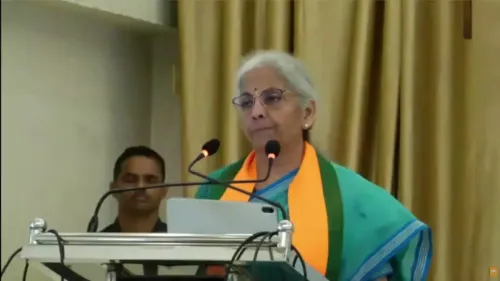
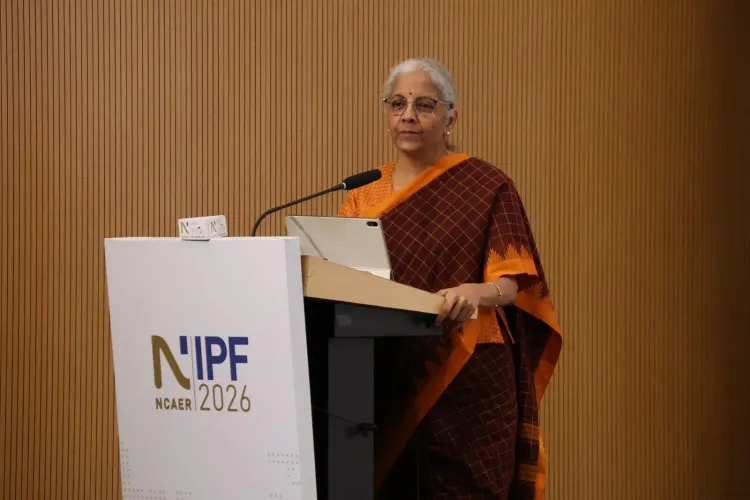
Finance Minister Nirmala Sitharaman on Thursday, 6 August sharply rebutted senior Indian National Congress (INC) leader Jairam Ramesh, accusing him of “spreading a canard” over proposed changes to UPI transactions under the Taxation and Other Laws (Amendment) Bill, 2026. The minister clarified that the Merchant Discount Rate (MDR) applies exclusively to merchants — not to end users or customers — and dismissed allegations that ordinary consumers would bear new charges.
What Sitharaman Said
Responding directly to Ramesh’s criticism, the Finance Minister stated: “Before spreading a canard, Jairam Ramesh, please consider this: Merchant Discount Rate (MDR) applies only on the merchants and not on the end users/customers. It will support the Banks & Fintech to invest more on infrastructure, innovation & security. All users of UPI will reap the benefits of this investment.”
Sitharaman argued that enabling banks and fintech companies to earn MDR would channel resources into improving UPI’s infrastructure, security, and innovation — ultimately benefiting all users of the platform.
Congress Taken to Task Over Parliamentary Conduct
The Finance Minister also turned the spotlight on the Congress’s decision to raise objections outside Parliament rather than on the floor of the House. She noted that the Lok Sabha and Rajya Sabha provided the appropriate forum for debating the Bill, and that the party’s choice to criticise it externally undermined constructive legislative engagement.
“All this could have been discussed on the floor of the House if your party engages constructively in Parliament when the Bill was/is tabled,” Sitharaman added.
What Jairam Ramesh Had Alleged
Ramesh had earlier contended that the proposed amendment strips away the statutory guarantee that has kept UPI transactions free of charges, thereby opening the door for future imposition of MDR on digital payments. He argued that any such levy would eventually be passed on to ordinary consumers, despite government assurances to the contrary.
The Congress leader also rejected the government’s sustainability argument, pointing to the Reserve Bank of India (RBI)’s surplus transfer of ₹2.86 lakh crore to the Centre in 2025-26 as evidence that the central bank has sufficient resources to support the country’s digital payments ecosystem without burdening merchants or users.
The Broader Context
The debate over MDR on UPI is not new. The government had waived MDR on UPI and RuPay debit card transactions in 2020, reimbursing banks through a separate budgetary allocation. Critics have long argued that this model is fiscally unsustainable at scale; the government and industry bodies have periodically revisited the question without a definitive resolution.
This comes amid a broader push to expand digital payments penetration in India, where UPI processed over 17,000 crore transactions in the last financial year. Any structural change to its cost architecture carries significant implications for merchants, payment service providers, and the 130 crore-plus users on the network.
The political battle over the amendment is likely to intensify as the Bill moves through Parliament, with the Congress expected to press its case both inside and outside the House.
Point of View
By design, is a merchant-side charge. But the history of cost pass-through in retail commerce means Ramesh’s concern is not without basis; merchants routinely embed transaction costs into pricing. The more pointed question is whether removing the statutory zero-MDR guarantee — even without immediately activating a charge — creates a legislative backdoor that a future government could walk through. Sitharaman’s retort about parliamentary engagement is fair, but it sidesteps the substantive concern. And with the RBI sitting on a record ₹2.86 lakh crore surplus, the sustainability argument for MDR is harder to make than it was three years ago.
NationPress
6 Aug 2026
Frequently Asked Questions
What is the Merchant Discount Rate (MDR) and does it affect UPI users?
MDR is a fee charged to merchants for processing digital transactions. Finance Minister Nirmala Sitharaman has clarified that under the Taxation and Other Laws (Amendment) Bill, 2026, MDR applies only to merchants and not to end users or customers making UPI payments.
What has Congress alleged about the Taxation and Other Laws (Amendment) Bill, 2026?
Congress leader Jairam Ramesh alleged the Bill removes the statutory guarantee that has kept UPI transactions free, opening the door for future MDR imposition on digital payments. He warned that any such charge would eventually be passed on to ordinary consumers.
Why does the Congress say MDR on UPI is unnecessary?
Jairam Ramesh pointed to the RBI’s record surplus transfer of ₹2.86 lakh crore to the Centre in 2025-26, arguing the central bank has ample resources to fund digital payments infrastructure without imposing additional charges on merchants or consumers.
Why did Sitharaman criticise Congress over how it raised the UPI issue?
Sitharaman said the Congress chose to raise objections outside Parliament rather than debating the Bill on the floor of the Lok Sabha and Rajya Sabha, where such legislative concerns are meant to be addressed constructively.
What is the government’s rationale for reintroducing MDR on UPI?
The government argues that allowing banks and fintech companies to earn MDR will enable them to invest more in UPI’s infrastructure, security, and innovation, with all users of the platform ultimately benefiting from those improvements.