7 Baloch students forcibly disappeared by Pakistani forces in Karachi
Synopsis
Seven Baloch students vanished within days — five pulled from their Karachi hostel in a midnight raid, two more taken from a campus and a border town. Rights groups say this is no longer a pattern of isolated incidents but a documented policy of collective punishment targeting Baloch youth seeking education.
Key Takeaways
The Human Rights Council of Balochistan (HRCB) reported the enforced disappearance of seven Baloch students by Pakistani forces on 6 August .
Five students — Azhar Baloch , Ghos Baksh Baloch , Shehzad Baloch , Anees Baloch , and Waseem Baloch — were taken in a raid on their residence in Gulshan-e-Iqbal, Karachi , allegedly by intelligence agencies and Rangers.
Khalil Baloch (MPhil student) was taken from University of Karachi premises; Zubair Baloch was disappeared from the Hub region of Balochistan.
The Baloch Yakjehti Committee (BYC) described the targeting of students as 'a policy of collective punishment.' The Baloch Voice for Justice (BVJ) separately alleged a Pakistani drone strike killed a minor child in the Goru region, Khuzdar district .
Pakistani authorities have not publicly responded to any of these allegations.
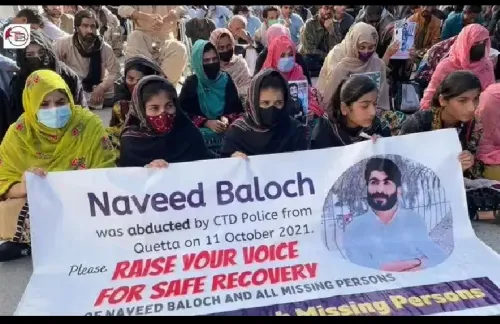
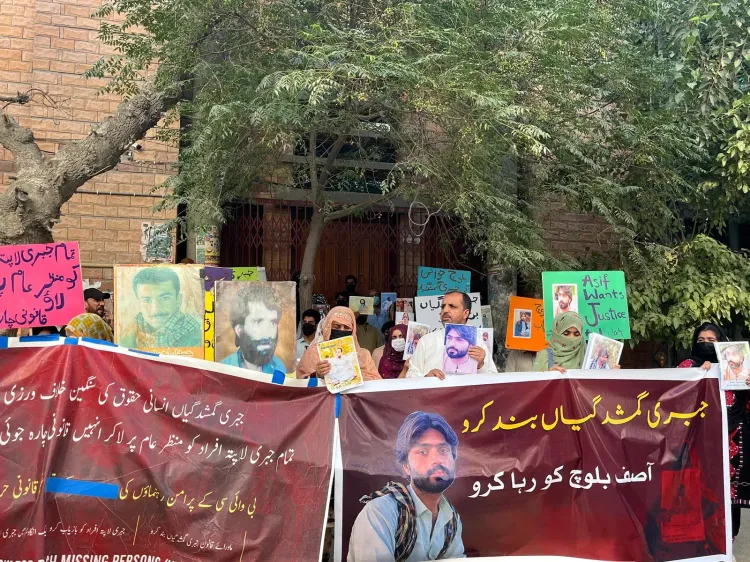
Seven Baloch students have been forcibly disappeared by Pakistani forces in Karachi, according to the Human Rights Council of Balochistan (HRCB), which on Thursday, 6 August strongly condemned the enforced disappearances amid what rights groups describe as escalating violence against Baloch civilians across Pakistan. The incidents mark one of the most concentrated single-week disappearances of students documented by the organisation this year.
The Karachi Raid
According to the HRCB, five Baloch students enrolled at the University of Karachi were forcibly taken during a raid on their residence in Gulshan-e-Iqbal, Karachi, on Wednesday, allegedly carried out by Pakistani intelligence agencies and Rangers. The missing students were identified as Azhar Baloch, Ghos Baksh Baloch, Shehzad Baloch, Anees Baloch, and Waseem Baloch.
The HRCB stated that the students were 'physically assaulted and harassed before being taken away along with their belongings,' and that their whereabouts remain unknown.
Two Earlier Disappearances
The Gulshan-e-Iqbal raid was preceded by two additional enforced disappearances documented by the HRCB. Khalil Baloch, an MPhil student, was reportedly taken from the University of Karachi premises, while Zubair Baloch was forcibly disappeared from the Hub region in Balochistan. Together, the seven cases represent a pattern that rights groups say is no longer incidental.
Rights Groups Condemn the Detentions
Paank, the human rights department of the Baloch National Movement, said enforced disappearance 'constitutes a serious violation of international human rights law, depriving individuals of their rights to liberty, security, due process, and education while inflicting profound suffering on their families.'
Sabiha Baloch, central leader of the Baloch Yakjehti Committee (BYC), described the targeting of students as 'a policy of collective punishment' rather than isolated incidents. In a post on X, she wrote: 'Young people who leave their homes to pursue education are being turned into targets. From university campuses to hostels and private residences, Baloch students continue to face the constant threat of arbitrary detention and enforced disappearance.'
The HRCB has called on Pakistani authorities to immediately disclose the students' whereabouts, ensure their safety, and either release them or produce them before a competent court under lawful process.
Drone Strike Kills Minor in Khuzdar
Separately, the Baloch Voice for Justice (BVJ) on Thursday alleged that a drone strike by Pakistani forces targeted a civilian area in the Goru region of Khuzdar district, Balochistan, resulting in the death of a minor child. The BVJ called for an immediate end to such strikes and urged respect for civilian lives. Pakistani authorities have not publicly responded to these allegations.
This comes amid what rights organisations describe as intensified ground and aerial operations by Pakistani forces across several parts of Balochistan targeting civilian-populated areas. With no independent verification currently possible and Pakistani authorities yet to comment, the full scale of the situation remains difficult to confirm.
Point of View
Hostels, and a border town — is not incidental; it fits a documented multi-year pattern that rights groups have catalogued with increasing specificity. What is notable this time is the concentration: five students taken from a single residence in a single night, suggesting a targeted intelligence operation rather than opportunistic detention. Pakistan has not responded publicly, which is itself a pattern. The simultaneous allegation of a drone strike killing a child in Khuzdar points to a broader operational tempo in Balochistan that international human rights bodies have largely failed to hold accountable. The absence of independent verification does not diminish the credibility of organisations like HRCB, which have maintained consistent documentation over years.
NationPress
6 Aug 2026
Frequently Asked Questions
Who are the seven Baloch students forcibly disappeared in Karachi?
The seven students are Azhar Baloch, Ghos Baksh Baloch, Shehzad Baloch, Anees Baloch, and Waseem Baloch — all students of the University of Karachi taken in a raid on their Gulshan-e-Iqbal residence — along with Khalil Baloch, an MPhil student taken from the university campus, and Zubair Baloch, disappeared from the Hub region of Balochistan.
Which organisations condemned the enforced disappearances?
The Human Rights Council of Balochistan (HRCB), Paank (the Baloch National Movement's human rights department), and the Baloch Yakjehti Committee (BYC) all condemned the disappearances. They called on Pakistani authorities to immediately disclose the students' whereabouts and either release them or produce them before a competent court.
What is enforced disappearance and why is it considered a human rights violation?
Enforced disappearance is the detention of a person by state agents followed by a refusal to acknowledge the detention or reveal the person's fate. According to Paank, it violates international human rights law by stripping individuals of their rights to liberty, security, due process, and education, while causing severe suffering to their families.
What did Sabiha Baloch of the Baloch Yakjehti Committee say about the disappearances?
Sabiha Baloch, central leader of the Baloch Yakjehti Committee (BYC), described the targeting of Baloch students as a 'policy of collective punishment' rather than isolated incidents. In a post on X, she said students leaving home to pursue education were being 'turned into targets' across campuses, hostels, and private residences.
What is the alleged drone strike in Khuzdar about?
The Baloch Voice for Justice (BVJ) alleged on 6 August that a Pakistani forces drone strike targeted a civilian area in the Goru region of Khuzdar district, Balochistan, killing a minor child. Pakistani authorities have not publicly confirmed or responded to this allegation.