Punjab debt servicing eats 23% of revenues, only 5.6% left for capex: Manish Tewari
Synopsis
Punjab is spending 23 paisa of every rupee it earns just on servicing debt — and only 5.6 paisa is left for capital investment. Congress MP Manish Tewari's Parliamentary Standing Committee disclosure lays bare a fiscal model that critics say is structurally unsustainable, even as the AAP government faces simultaneous allegations of an 'administrative emergency' from the BJP.
Key Takeaways
Punjab's debt servicing cost stands at ₹42,481 crore , over 23 per cent of total state revenues, according to Congress MP Manish Tewari on 6 August .
Revenue expenditure minus debt servicing consumes 71.4 per cent of revenues, leaving only 5.6 per cent for capital expenditure.
Punjab's debt-to-GSDP ratio rose from 36.2 per cent in 2019-20 to 41.3 per cent at its COVID-19 peak, and stood at 39.9 per cent in 2024-25 .
BJP state president Kewal Singh Dhillon separately alleged an 'administrative emergency' under the AAP government over unresolved employee demands.
The disclosures emerged from a Parliamentary Standing Committee review of long-term public finance and debt at the Centre and states.
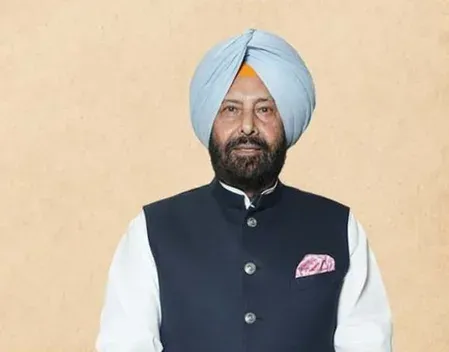
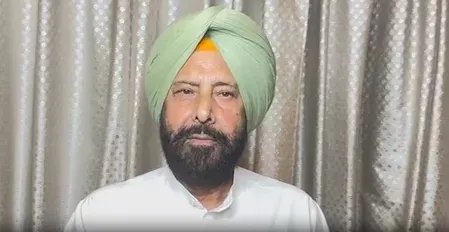
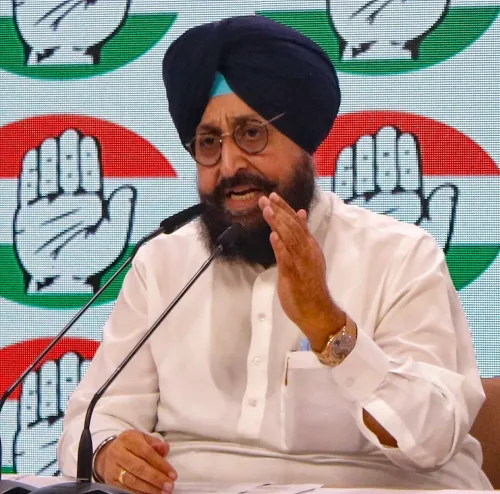
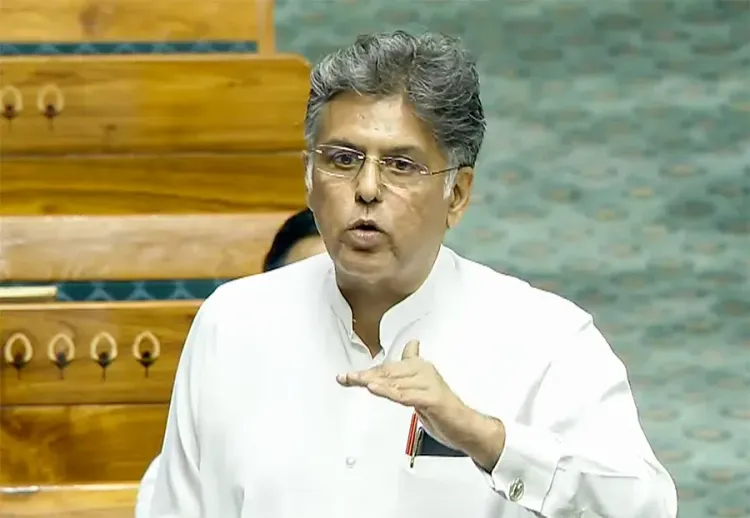
Congress MP Manish Tewari on Thursday, 6 August warned that Punjab's debt servicing burden — covering both interest payments and principal repayment — has reached ₹42,481 crore, accounting for more than 23 per cent of the state's total revenues. The disclosure came as Tewari attended a Parliamentary Standing Committee meeting convened to review long-term public finance and debt at both the Centre and the states.
The Fiscal Arithmetic
Tewari broke down the numbers starkly in a post on X. 'It means for every one rupee of revenue generation by Punjab, 23 paisa go towards only debt servicing,' he wrote. He further noted that revenue expenditure minus debt servicing consumes 71.4 per cent of revenues, leaving a mere 5.6 per cent for capital expenditure — the spending that creates durable public assets such as roads, hospitals, and infrastructure. 'Is this a sustainable model?' he asked, directing the question at Punjab's political class.
COVID-19 and the Debt Trajectory
The three-time Member of Parliament and former Union Minister for Information and Broadcasting also placed Punjab's debt trajectory in the context of the pandemic. He noted that the fiscal deficit of the Union Government as a percentage of GDP doubled from 4.6 per cent to 9.2 per cent between FY 2019-20 and FY 2022-23 due to COVID-19. Punjab's own debt-to-GSDP ratio climbed from 36.2 per cent in 2019-20 to 41.3 per cent during the same period, before moderating slightly and then rising again to 39.9 per cent in 2024-25. Tewari, himself a Congress leader, did not spare his party's earlier Punjab government from the broader accountability frame.
BJP Attacks AAP Over 'Administrative Emergency'
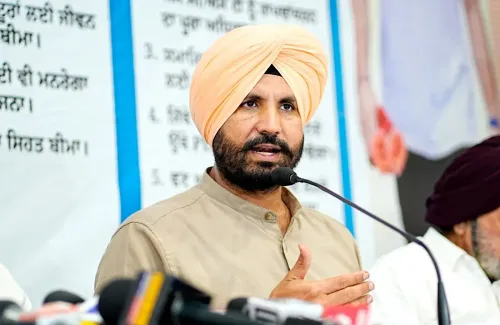
The fiscal critique arrived alongside a political broadside from the opposition. A day earlier, state Bharatiya Janata Party (BJP) President Kewal Singh Dhillon alleged that Punjab was experiencing an 'administrative emergency' under the Aam Aadmi Party (AAP) government. Dhillon accused the AAP of failing to honour pre-election commitments made to government employees — commitments that, he claimed, were central to the party's 2022 campaign pitch.
Dhillon argued that the government's inability to resolve long-pending employee grievances had triggered a wave of strikes and protests across critical departments, disrupting healthcare, education, power-related services, and routine administrative functions. 'Citizens were being forced to run from one government office to another for even routine work,' he alleged. The AAP government had not responded publicly to these specific allegations at the time of reporting.
What This Signals for Punjab's Finances
Punjab's fiscal stress is not new — the state has carried one of the highest debt-to-GSDP ratios among major Indian states for over a decade, a legacy of farm loan waivers, power subsidies, and salary commitments that have consistently crowded out development spending. With capital expenditure squeezed to 5.6 per cent of revenues, the state's ability to invest in growth-generating assets remains severely constrained. Notably, this dynamic plays out even as the AAP government has expanded its free-power and social welfare commitments, adding further pressure to an already stretched fiscal envelope.
The Parliamentary Standing Committee's review is expected to produce recommendations on sustainable debt management for states, which could shape Centre-state fiscal negotiations in the run-up to the next Finance Commission cycle.
Point of View
But they are not a surprise — Punjab has been on a fiscal treadmill for years, with successive governments, including his own party's, choosing populist commitments over balance-sheet discipline. The real question his 5.6 per cent capex figure raises is structural: a state that cannot invest in itself cannot grow its way out of debt. The BJP's 'administrative emergency' framing, meanwhile, is politically convenient but not without basis — a government unable to pay its employees on time is, by definition, under fiscal duress. What neither party is offering is a credible path to fiscal consolidation that does not gut the welfare commitments Punjab's voters have come to expect.
NationPress
21 Sept 2026
Frequently Asked Questions
What is Punjab's current debt servicing burden?
Punjab's debt servicing cost — covering both interest payments and principal repayment — stands at approximately ₹42,481 crore, which is more than 23 per cent of the state's total revenues, according to Congress MP Manish Tewari. This means 23 paisa of every rupee earned by the state goes solely toward servicing debt.
How much of Punjab's budget is left for development spending?
After accounting for debt servicing (23 per cent) and other revenue expenditure (71.4 per cent), only 5.6 per cent of Punjab's revenues remain for capital expenditure — the spending that creates roads, hospitals, and other public assets. Tewari questioned whether this model is fiscally sustainable.
How did COVID-19 affect Punjab's debt-to-GSDP ratio?
Punjab's debt-to-GSDP ratio rose from 36.2 per cent in FY 2019-20 to 41.3 per cent during the COVID-19 period. It moderated slightly before climbing again to 39.9 per cent in 2024-25, according to Tewari's statement.
What is the BJP's 'administrative emergency' allegation against AAP in Punjab?
BJP state president Kewal Singh Dhillon alleged that the AAP government's failure to honour pre-poll commitments to government employees had triggered widespread strikes across healthcare, education, and power departments. He claimed citizens were unable to access even routine government services as a result.
Why did Manish Tewari raise Punjab's debt issue?
Tewari raised the issue after attending a Parliamentary Standing Committee meeting convened to review long-term public finance and debt management at the Centre and state levels. He used Punjab as a case study to highlight how high debt servicing crowds out productive capital investment.