Shekhawat rallies nation behind Har Ghar Tiranga ahead of I-Day
Synopsis
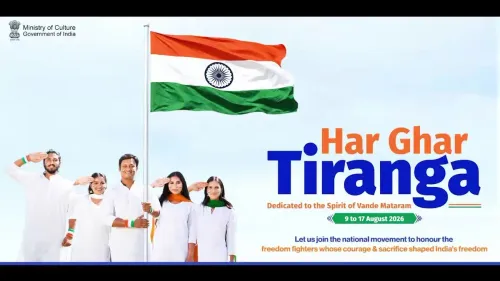
Union Culture Minister Gajendra Singh Shekhawat on 6 August 2026 amplified PM Modi's Har Ghar Tiranga call, urging every Indian household to hoist the tricolour ahead of Independence Day — the fourth consecutive year of the campaign launched under Azadi Ka Amrit Mahotsav in 2022.
Key Takeaways
Gajendra Singh Shekhawat , Union Minister of Culture and Tourism, posted in support of Har Ghar Tiranga on 6 August 2026 .
The campaign was originally launched on 13 August 2022 under the Azadi Ka Amrit Mahotsav framework marking 75 years of Indian independence.
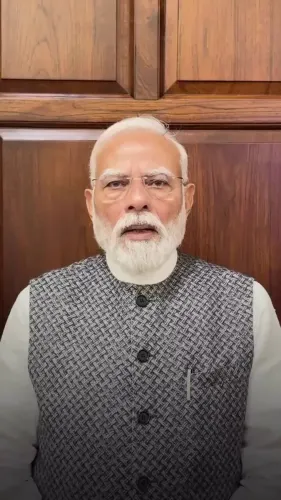
Prime Minister Narendra Modi is credited with the public call to hoist the tricolour in every home.
The Ministry of Culture is the nodal body implementing the campaign each year ahead of 15 August .
The campaign frames patriotism as a domestic, participatory act — not merely a state-organised spectacle.
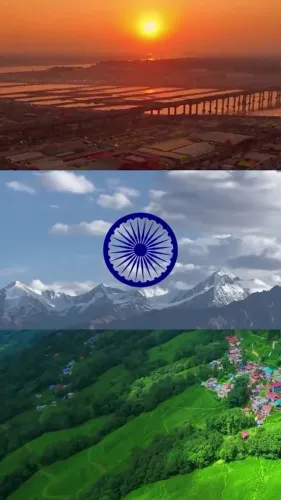
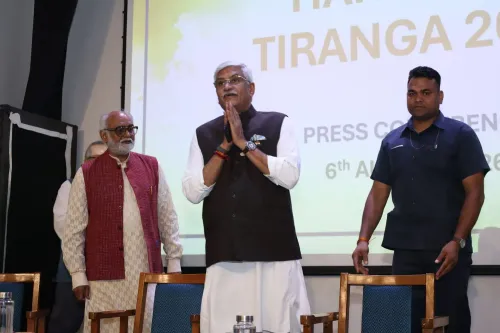
With Independence Day approaching, Union Culture and Tourism Minister Gajendra Singh Shekhawat on Thursday, 6 August 2026 threw his weight behind the Har Ghar Tiranga campaign, urging every Indian household — from the northern hills to the southern coasts, from the eastern plains to the western deserts — to fly the tricolour with pride.
Posting in Hindi, Shekhawat declared: 'उत्तर-दक्षिण, पूरब-पश्चिम… हर घर तिरंगा!' ('North-south, east-west… a tricolour in every home!') — invoking the campaign as not merely a government directive but a movement that lives in the hearts of Indians. He credited Prime Minister Narendra Modi with the original call and tagged the Ministry of Culture and the Ministry of Tourism, signalling a coordinated push across departments.
A campaign born from 75 years of freedom
The Har Ghar Tiranga campaign was formally launched on 13 August 2022 under the Azadi Ka Amrit Mahotsav framework — the government's sweeping commemoration of India's 75th year of independence. What began as a one-time symbolic gesture has since evolved into a recurring annual mobilisation, with the Ministry of Culture as its institutional backbone.
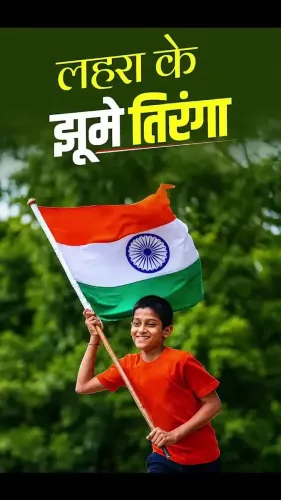
The idea is straightforward but deliberate: bring the national flag into ordinary homes, not just government buildings and parade grounds. It reframes patriotism as something personal and domestic — a flag on a balcony, a pin on a lapel, a selfie uploaded to a portal — rather than a spectacle reserved for the state.
Shekhawat's role and the ministry's annual drumbeat
As the minister directly overseeing culture policy, Shekhawat is the natural face of the campaign's annual revival. His post — amplified with the #HarGharTiranga hashtag and tags to @narendramodi and @PMOIndia — is part of a broader, coordinated social-media push that typically precedes state-level flag-hoisting drives organised by local bodies in the days leading up to 15 August.
The messaging pattern is consistent: pan-India unity framed through a single, visible national symbol, with Modi's personal endorsement lending it top-down authority while ministers and citizens are invited to make it bottom-up participation.
As the tricolour goes up across millions of homes this week, the campaign asks a quiet but pointed question: can a flag in every window stitch together a country as vast and varied as India? The government, for the fourth year running, is betting it can.
Point of View
Timed days before Independence Day and amplified through official ministry handles, reflects a deliberate top-down coordination that blurs the line between government programme and political branding. For the BJP, cultural nationalism expressed through visible national symbols has been a durable electoral and ideological asset since 2014. The real test each year is whether the campaign deepens genuine civic attachment to the flag or remains a social-media performance cycle.
NationPress
21 Sept 2026
Frequently Asked Questions
What is the Har Ghar Tiranga campaign?
Har Ghar Tiranga is a national campaign launched by the Indian government on 13 August 2022 to encourage every household to hoist the Indian tricolour as a mark of patriotism, originally introduced under the Azadi Ka Amrit Mahotsav framework celebrating 75 years of independence.
Who started the Har Ghar Tiranga campaign?
Prime Minister Narendra Modi issued the public call for Har Ghar Tiranga, with the Ministry of Culture tasked with implementing the campaign annually ahead of Independence Day on 15 August.
What did Gajendra Singh Shekhawat post about Har Ghar Tiranga?
On 6 August 2026, Union Culture and Tourism Minister Gajendra Singh Shekhawat posted in Hindi urging all Indians — 'north-south, east-west' — to fly the tricolour in their homes, calling it a movement that lives in every Indian's heart.
When is Har Ghar Tiranga observed each year?
The campaign is revived annually in the days leading up to Independence Day on 15 August, with households, local bodies, and state governments participating in coordinated flag-hoisting drives.
Which ministry runs the Har Ghar Tiranga campaign?
The Ministry of Culture, currently headed by Minister Gajendra Singh Shekhawat, is the nodal ministry responsible for implementing and promoting the Har Ghar Tiranga campaign.