Dr. Jitendra Singh highlights PM Modi's railway electrification push
Synopsis
Union Minister Dr. Jitendra Singh, quoting PM Modi, highlighted on 17 July 2026 that only 30% of India's rail network was electrified in the 90 years from 1925 to 2014, with 70% still running on diesel — framing post-2014 acceleration as a decisive policy shift.
Key Takeaways
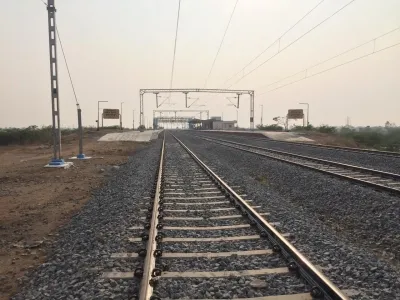
Indian Railways electrification began in 1925 with the first electric train between Bombay and Kurla on the Great Indian Peninsula Railway.
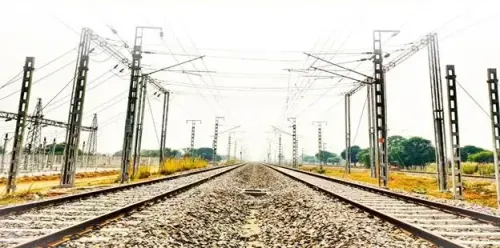
Over 90 years (1925–2014) , only about 30 per cent of the national rail network was electrified.
70 per cent of the rail network depended on diesel traction as of 2014 , representing a major fossil-fuel import burden.
Jitendra Singh shared the statistic on 17 July 2026 , attributing it directly to PM Narendra Modi .
The post frames post-2014 electrification as a break from nearly a century of slow progress, linking it to energy security and climate goals.
Progress on remaining unelectrified routes will be tracked through the annual Railway Budget and parliamentary committee reviews.
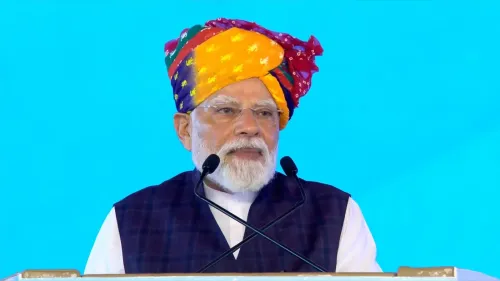
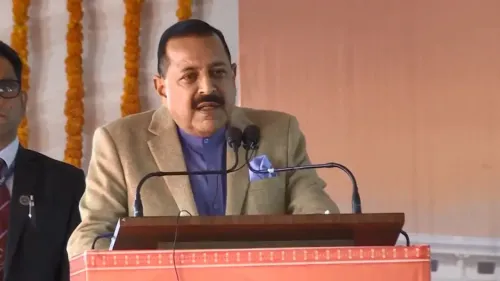
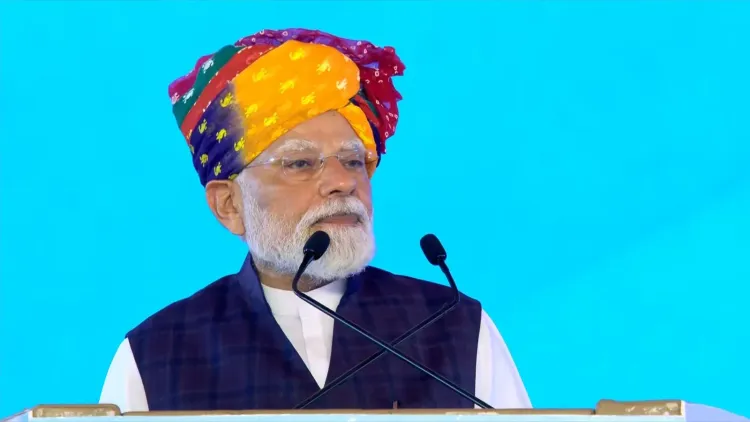
Union Science and Technology Minister Dr. Jitendra Singh on Friday, 17 July 2026 shared a striking statistic attributed to Prime Minister Narendra Modi, underscoring how little of India's vast rail network had been electrified in the nine decades before the current government came to power.
Quoting PM Modi, Dr. Singh wrote: 'भारतीय रेलवे के बिजलीकरण की शुरुआत 1925 में हुई थी' — 'The electrification of Indian Railways began in 1925, nearly 100 years ago. From 1925 to 2014, over roughly 90 years, only about 30 per cent of the entire country's rail network had been electrified. 70 per cent of the network ran on diesel.'
Context
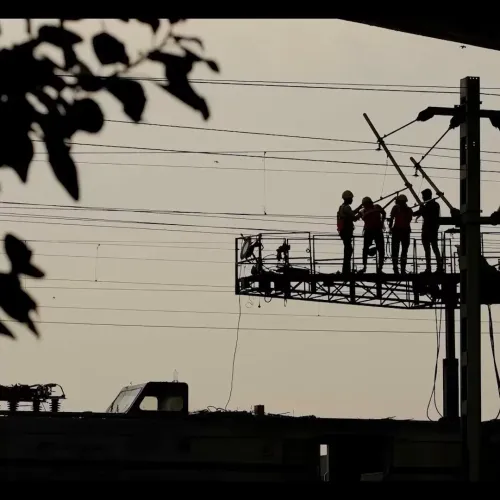
India's railway electrification story began with the first electric train service in 1925 on the Great Indian Peninsula Railway, running between Bombay (now Mumbai) and Kurla. For most of the twentieth century, progress remained incremental, constrained by capital availability, colonial-era infrastructure priorities, and successive planning cycles that treated electrification as a secondary goal.
By the time the UPA government concluded its tenure in 2014, the cumulative pace had left nearly 70 per cent of route kilometres dependent on diesel traction — a fuel that India largely imports, making the railways a significant drain on the country's foreign exchange.
Policy Backdrop
The Ministry of Railways has, under successive administrations, drawn up electrification targets in Five Year Plans. The 11th Five Year Plan (2007–2012) set a target of electrifying 6,000 route kilometres as part of a broader capacity expansion drive. However, the cumulative shortfall over nine decades meant the overall share of electrified track remained low.
After 2014, the Modi government framed accelerated railway electrification as a strategic priority — linking it to energy security, reduced dependence on fossil-fuel imports, and India's climate commitments. The administration has also connected railway modernisation to its wider capital expenditure push on core infrastructure including highways and power.
Stakeholders and Impact
The shift from diesel to electric traction has direct implications for rail passengers, who benefit from faster, cleaner, and often quieter services. Environment groups have long advocated electrification as a means of cutting particulate and carbon emissions from one of the world's largest transport networks.
For oil importers and the government's fiscal managers, every route kilometre converted to electric traction reduces the diesel import bill. Indian Railways, as the world's fourth-largest rail network by route length, represents a significant lever for national energy policy.
What's Next
Official updates on the remaining unelectrified routes are expected through the annual Railway Budget presentations and parliamentary committee reviews of electrification timelines. The government's stated ambition of a 100 per cent electrified network will be closely watched by infrastructure analysts, climate advocates, and the broader investment community tracking India's green-transition commitments.
As the centenary of India's first electric train service approaches, the pace of progress in the post-2014 period is likely to remain a key political and policy benchmark for the current administration.
Point of View
The minister reinforces the BJP's broader infrastructure-achievement arc ahead of any electoral or policy cycle. The choice of a historical baseline — 1925 to 2014 — is deliberate, casting nine decades of incremental progress under multiple governments as insufficient and positioning the post-2014 period as transformative. This fits a wider pattern in which cabinet ministers amplify PM-attributed statistics to build a cumulative public record of governance performance. For analysts, the post signals that railway electrification will continue to feature prominently in the government's communication strategy on energy transition and capital investment.
NationPress
17 Jul 2026
Frequently Asked Questions
When did Indian Railways electrification begin?
Indian Railways electrification began in 1925 , with the first electric train service running between Bombay (now Mumbai) and Kurla on the Great Indian Peninsula Railway.
How much of Indian Railways was electrified before 2014?
According to a statement by PM Narendra Modi shared by Minister Dr. Jitendra Singh, only about 30 per cent of India's rail network was electrified in the roughly 90 years from 1925 to 2014.
Why was most of Indian Railways running on diesel before 2014?
Slow historical progress in electrification — constrained by capital availability and planning priorities — meant that 70 per cent of the rail network still depended on diesel traction as of 2014 .
What is the Modi government's policy on railway electrification?
The Modi government after 2014 framed accelerated railway electrification as a strategic priority, linking it to energy security , reduced diesel imports, and India's climate commitments.
Who is Dr. Jitendra Singh?
Dr. Jitendra Singh is the Union Minister of State (Independent Charge) for Science and Technology and Earth Sciences, and also Minister of State in the Prime Minister's Office and for Personnel.