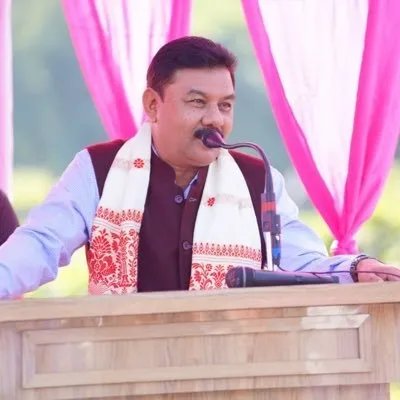
CM Himanta launches ₹500 cr Kamakhya Corridor, flags heritage plans

Synopsis
Chief Minister Himanta Biswa Sarma on July 17 commenced the ₹500 crore Kamakhya Corridor project to upgrade pilgrimage infrastructure in Guwahati, while announcing preservation plans for Madhupur Satra and Kareng Ghar and modernisation of the Assam State Zoo.
Key Takeaways
The ₹500 crore Kamakhya Corridor project has been formally commenced by CM Dr.
Himanta Biswa Sarma to boost religious tourism around the Kamakhya Shakti Peetha in Guwahati .
The announcement was made during a Facebook Live address on July 17, 2026 .
The state government has flagged upcoming preservation initiatives for Madhupur Satra in Koch Bihar district, a historic neo-Vaishnavite monastery.
Kareng Ghar (Talatal Ghar) , the seven-storied Ahom-era palace in Sivasagar district , is also slated for heritage conservation work.
The Assam State Zoo cum Botanical Garden , the largest zoo in Northeast India established in 1957 , is set for modernisation.
The projects align with a broader Northeast development strategy using tourism and heritage as economic diversification tools.
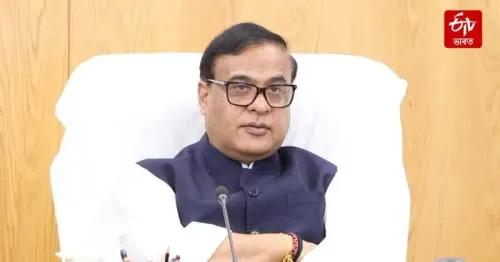
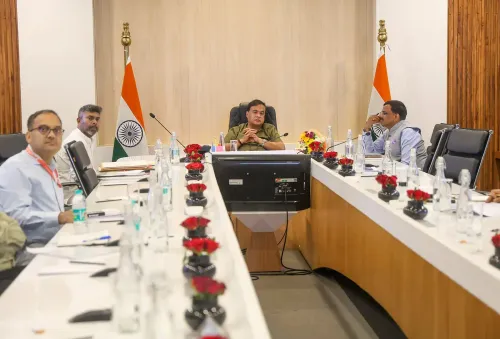
Guwahati, July 17, 2026 — The Chief Minister's Office of Assam announced on Friday that Chief Minister Dr. Himanta Biswa Sarma has formally commenced the ₹500 crore Kamakhya Corridor project, a large-scale infrastructure initiative aimed at boosting religious tourism around one of India's most significant Shakti Peethas. The announcement was made during a Facebook Live address in which the Chief Minister also outlined state-led preservation efforts for two major heritage sites and modernisation plans for Guwahati's zoo.
Context
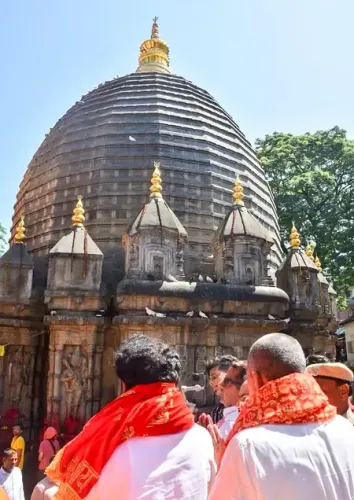
The Kamakhya Temple, situated on Nilachal Hill in Guwahati, is among the 51 Shakti Peethas and draws millions of pilgrims annually, making it the centrepiece of Assam's religious tourism economy. The corridor project is designed to upgrade approach infrastructure, pilgrim facilities, and the broader precinct around the temple. In his address, the Chief Minister described the commencement as a step toward establishing Kamakhya as a world-class pilgrimage destination.
The announcement follows a pattern seen across several Indian states, where large temple corridor developments — modelled broadly on the Kashi Vishwanath Corridor in Varanasi — are being used to combine religious tourism with urban redevelopment. The Union government's PRASAD scheme, launched in 2014, has previously channelled central funds toward pilgrimage infrastructure upgrades at Kamakhya in successive budget cycles.
Policy Backdrop
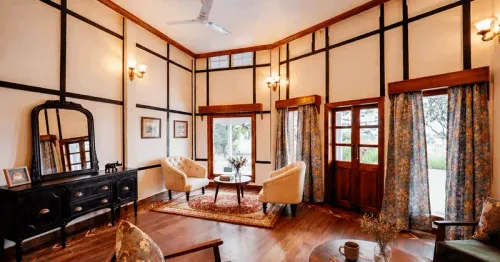
Beyond the Kamakhya Corridor, Dr. Sarma highlighted upcoming state initiatives for the preservation of Madhupur Satra in Koch Bihar district, a historic Vaishnavite monastery linked to the Koch royal family and central to Assam's neo-Vaishnavite heritage. He also referenced plans concerning Kareng Ghar — also known as Talatal Ghar — the seven-storied Ahom-era palace complex in Sivasagar district that stands as one of the most significant examples of medieval royal architecture in Northeast India.
The Chief Minister additionally announced the modernisation of the Assam State Zoo cum Botanical Garden in Guwahati, established in 1957 and the largest zoological park in Northeast India. Together, these announcements reflect a broader state strategy that treats cultural heritage and tourism as economic levers alongside Assam's traditional sectors of tea, oil, and agriculture.
Stakeholders and Impact
Religious pilgrims, local tourism operators, and heritage conservation bodies are the primary stakeholders in these initiatives. The Kamakhya Corridor, at ₹500 crore, represents the largest single outlay announced and is expected to generate employment in construction and hospitality sectors around Nilachal Hill. Preservation of the Madhupur Satra and Kareng Ghar addresses longstanding demands from cultural organisations focused on Vaishnavite and Ahom heritage respectively.
The zoo modernisation is likely to affect residents and visitors in Guwahati more broadly, improving a civic institution that serves both educational and conservation functions. Taken together, the announcements signal an attempt to diversify Assam's tourism profile across religious, historical, and ecological categories.
What's Next
Phased tendering and any land acquisition processes for the Kamakhya Corridor will be closely watched, as will supplementary funding requests in the next Assam state budget session. Specific timelines and detailed project designs for the Madhupur Satra and Kareng Ghar preservation works are yet to be made public. The state government's ability to execute these concurrent projects will be a key indicator of its infrastructure delivery capacity heading into the second half of 2026.
Point of View
Two heritage preservation projects, and a zoo upgrade in a single Facebook Live session reflects a calculated effort by the Sarma government to project cultural stewardship across religious, dynastic, and civic domains ahead of the political cycle. The ₹500 crore corridor fits squarely within the national template of temple-precinct redevelopment that has proven electorally salient in other states. By pairing it with Vaishnavite and Ahom heritage sites, the administration signals sensitivity to Assam's plural cultural identity — Shakti, Satra, and Ahom strands — rather than a single religious register. Execution timelines and transparent tendering will ultimately determine whether these announcements translate into durable infrastructure or remain aspirational.
NationPress
17 Jul 2026
Frequently Asked Questions
What is the Kamakhya Corridor project in Assam?
The Kamakhya Corridor is a ₹500 crore infrastructure project announced by Assam Chief Minister Dr. Himanta Biswa Sarma to upgrade pilgrimage facilities and the surrounding precinct around the Kamakhya Temple on Nilachal Hill in Guwahati, one of India's 51 Shakti Peethas.
What is Madhupur Satra and why is the Assam government preserving it?
Madhupur Satra is a historic Vaishnavite monastery in Koch Bihar district linked to the Koch royal family and central to Assam's neo-Vaishnavite heritage. The Assam government has flagged upcoming preservation initiatives for the site as part of its broader cultural conservation agenda.
What is Kareng Ghar?
Kareng Ghar, also known as Talatal Ghar, is a seven-storied Ahom-era palace complex in Sivasagar district and one of the most significant examples of medieval royal architecture in Northeast India. The state government has announced heritage conservation plans for the site.
What changes are planned for the Assam State Zoo in Guwahati?
Chief Minister Himanta Biswa Sarma announced the modernisation of the Assam State Zoo cum Botanical Garden in Guwahati, the largest zoological park in Northeast India, which was established in 1957. Specific details of the modernisation plan are yet to be made public.
How does the Kamakhya Corridor compare to other temple corridor projects in India?
The Kamakhya Corridor follows a model seen across several Indian states where temple precincts are redeveloped to combine religious tourism with urban infrastructure upgrades, broadly similar in concept to the Kashi Vishwanath Corridor in Varanasi. The Union government's PRASAD scheme has also previously funded pilgrimage infrastructure at Kamakhya.