CM Himanta Launches Kamakhya Corridor After Court Nod
Synopsis
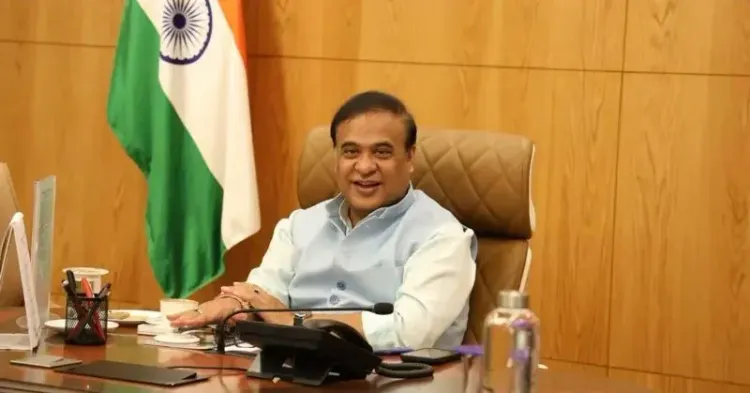
Assam's Chief Minister's Office confirmed on 17 July 2026 that construction of the Kamakhya Temple corridor in Guwahati has begun after the Gauhati High Court granted clearance. CM Himanta Biswa Sarma also unveiled accompanying heritage initiatives, advancing a project first announced in 2022 to modernise one of India's most visited Shakti Peethas.
Key Takeaways
The Kamakhya Temple corridor in Guwahati has formally commenced construction as of 17 July 2026 .
The Gauhati High Court issued the judicial clearance that allowed ground-level work to begin after reviewing land-use and environmental aspects.
CM Himanta Biswa Sarma unveiled heritage initiatives alongside the corridor launch.
The project was first announced in 2022 and builds on Kamakhya's earlier inclusion under the Centre's PRASAD scheme (launched 2014-15 ).
The Kamakhya Temple is one of the 51 Shakti Peethas and draws lakhs of pilgrims annually, with peak footfall during the Ambubachi Mela .
Construction milestones ahead of the next Ambubachi Mela and detailed budget disclosures by the Assam Tourism Development Corporation are the key near-term markers to watch.
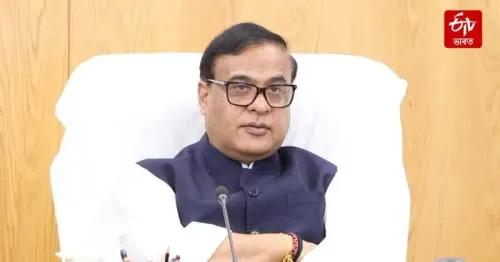
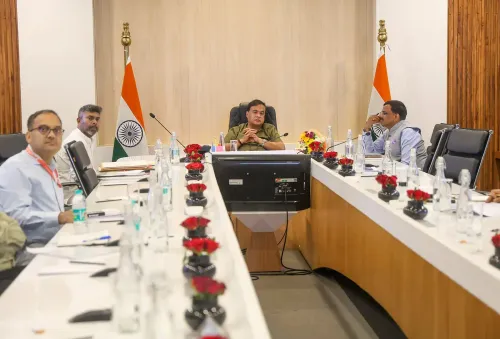
The Chief Minister's Office of Assam announced on Friday, 17 July 2026 that construction work on the much-awaited Kamakhya Temple corridor in Guwahati has formally commenced following judicial clearance from the Gauhati High Court, with Chief Minister Himanta Biswa Sarma also unveiling a set of heritage initiatives tied to the project.
Context
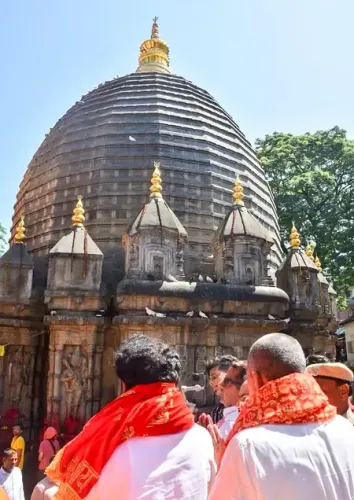
The Kamakhya Temple, perched on Nilachal Hill in Guwahati, is one of the 51 Shakti Peethas and among India's most visited pilgrimage sites, drawing lakhs of devotees every year — with footfall surging dramatically during the annual Ambubachi Mela. The sheer volume of pilgrims has long strained access roads, crowd-management infrastructure and basic amenities around the temple precinct. The corridor project is designed to address these structural gaps while preserving the site's heritage character.
The Gauhati High Court had been examining land-use and environmental aspects of the proposed development before granting the clearance that allowed work to begin. The court's nod removed the final procedural hurdle that had held up ground-level construction.
Policy Backdrop
The Assam government first announced a comprehensive Kamakhya precinct development plan in 2022, drawing inspiration from completed corridor projects at major religious sites elsewhere in India. The template — widened access routes, dedicated pilgrim facilities, commercial zones kept at a respectful distance from the sanctum — has been replicated across several states since 2018.
Kamakhya's inclusion under the Centre's PRASAD (Pilgrimage Rejuvenation and Spiritual, Heritage Augmentation Drive) scheme, which was launched in 2014-15, had already channelled funds for basic pilgrim amenities. The current corridor proposal represents a significant expansion of that initial investment into a full-scale precinct overhaul.
Stakeholders and Impact
Pilgrims travelling from across India and abroad stand to benefit most directly from improved access, better crowd management and upgraded facilities. Local residents of the Nilachal Hill neighbourhood and surrounding areas of Guwahati will see changes to land use and road infrastructure in the construction phase. The tourism sector — hotels, transport operators and local vendors — is expected to see a medium-to-long-term uptick as the corridor raises the site's capacity and visitor experience.
CM Himanta Biswa Sarma, who has overseen multiple heritage and infrastructure projects since taking office in May 2021, simultaneously unveiled a suite of heritage initiatives alongside the corridor launch, signalling that the government intends the project to go beyond brick-and-mortar construction into cultural and archival preservation.
What's Next
Attention will now turn to construction milestones, particularly whether key phases can be completed ahead of the next Ambubachi Mela — the temple's largest annual gathering. Detailed project timelines, budget disclosures and the identity of executing agencies are expected to follow from the Assam Tourism Development Corporation.
Any fresh petitions in the Gauhati High Court challenging specific aspects of land acquisition or environmental compliance will be closely watched, as they could affect the pace of work. The Kamakhya corridor's progress is likely to serve as a benchmark for similar temple-precinct projects being planned elsewhere in the Northeast.
Point of View
A trend that has gathered pace since the Kashi Vishwanath corridor set a high-profile template. Securing a Gauhati High Court clearance before breaking ground is a notable procedural step — it insulates the project from the legal delays that have stalled similar initiatives elsewhere. For CM Himanta Biswa Sarma, the launch consolidates his government's identity as an active steward of Assam's cultural heritage ahead of future electoral cycles. The pairing of infrastructure work with 'heritage initiatives' also suggests an attempt to pre-empt criticism that corridor projects sacrifice authenticity for commercial throughput.
NationPress
15 Oct 2026
Frequently Asked Questions
What is the Kamakhya Temple corridor project?
The Kamakhya Temple corridor is a large-scale precinct development project in Guwahati aimed at improving pilgrim access, crowd management and amenities around the Kamakhya Temple on Nilachal Hill, one of India's 51 Shakti Peethas. The Assam government first announced the plan in 2022, modelled on similar corridor projects at major religious sites across India.
Why did the Kamakhya corridor need a court order before construction?
The Gauhati High Court was examining land-use and environmental aspects of the proposed development. Its clearance was required before ground-level construction could legally begin, a procedural step that also protects the project from future legal challenges on those grounds.
What is the PRASAD scheme and how is Kamakhya connected to it?
PRASAD — Pilgrimage Rejuvenation and Spiritual, Heritage Augmentation Drive — is a Central government programme launched in 2014-15 for integrated development of pilgrimage destinations. Kamakhya was included under the scheme, which initially funded basic pilgrim amenities; the current corridor project expands that investment significantly.
Who is overseeing the Kamakhya corridor project?
Chief Minister Himanta Biswa Sarma, who has led Assam since May 2021, is overseeing the project. The Assam Tourism Development Corporation is expected to release detailed timelines and budgets for the construction phases.
When is the Ambubachi Mela and why does it matter for the corridor?
The Ambubachi Mela is an annual festival held at Kamakhya Temple, typically in June, and is one of the largest religious gatherings in the Northeast, drawing lakhs of pilgrims. Completing key corridor phases before the next Mela is a critical construction milestone for the Assam government.