CM Himanta Welcomes 8 Lakh Pilgrims for Ambubachi 2026

Synopsis
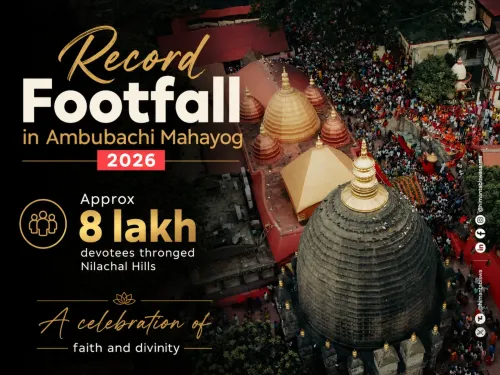
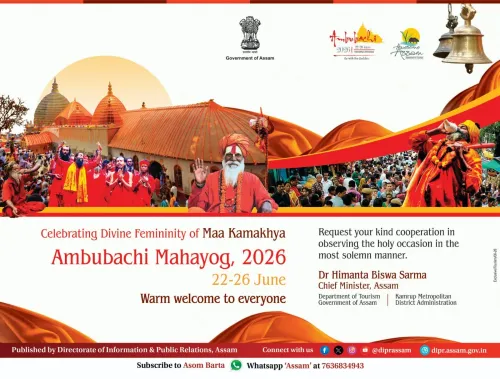
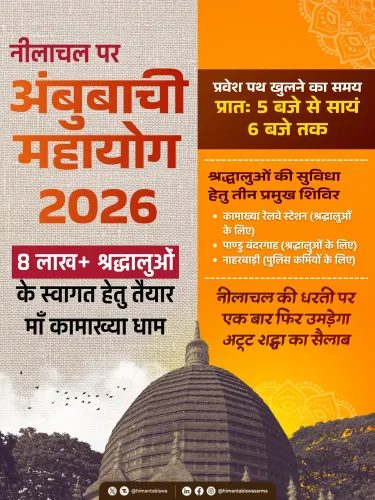
Assam Chief Minister Himanta Biswa Sarma on 18 June 2026 welcomed over eight lakh devotees to Ambubachi Mela at the Kamakhya Temple on Nilachal Hill, Guwahati, invoking the goddess's blessings and highlighting Assam's hospitality and Sanatan cultural heritage.
Key Takeaways
Assam CM Himanta Biswa Sarma publicly welcomed over eight lakh pilgrims for Ambubachi Mela 2026 on 18 June 2026 .
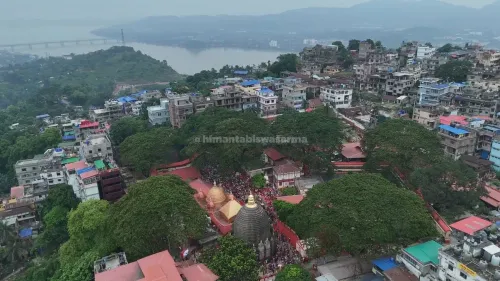
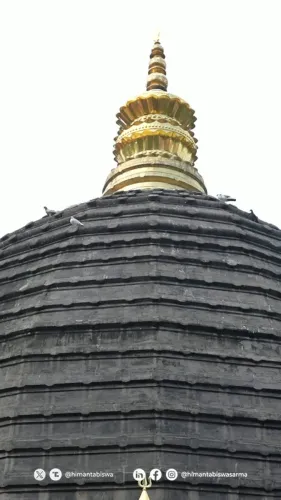
The festival is held annually at the Kamakhya Temple on Nilachal Hill, Guwahati , one of the 51 Shakti Peethas in India.
Ambubachi Mela is a four-day June festival commemorating the goddess's menstruation and is a major centre of tantric pilgrimage.
The Assam government has positioned major religious festivals within its tourism and cultural outreach strategy under CM Sarma since 2021 .
The mela has significant economic impact on local vendors, hospitality providers, and transport operators around Guwahati .
State announcements on crowd-management, temporary infrastructure, and security deployments are expected ahead of the festival dates.
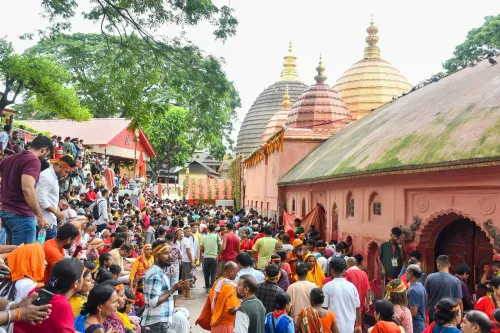
Assam Chief Minister Himanta Biswa Sarma on Thursday, 18 June 2026, extended a formal welcome to over eight lakh devotees expected to converge on Nilachal Hill in Guwahati for the annual Ambubachi Mela at the Kamakhya Temple, invoking the goddess's blessings and the state's tradition of hospitality.
Context
Posting on X with the salutation 'Jay Maa Kamakhya' ('Victory to Mother Kamakhya'), Sarma wrote in Assamese that 'Nilachaler pabitra bhumi aabar sakshi hote cholecche astha o bhaktir ek mahasamagamer' — meaning 'the sacred land of Nilachal is once again set to witness a grand congregation of faith and devotion.' He added that Assam is ready to welcome more than eight lakh devotees and extended a heartfelt invitation to all to join this 'sacred confluence of Sanatan culture.'
The post was tagged #Ambubachi2026, signalling the state government's active public outreach ahead of the festival. The Chief Minister's message was accompanied by two videos, underscoring the scale of official promotion.
Policy Backdrop
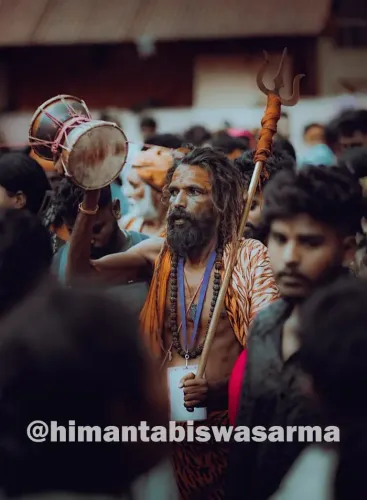
The Ambubachi Mela is a four-day annual festival held every June at the Kamakhya Temple, one of the 51 Shakti Peethas in the Hindu tradition. The festival commemorates the goddess's menstruation cycle and is considered among the most significant tantric observances in the country, drawing pilgrims from across India and abroad.
State administrations in Assam have provided logistical, security, and crowd-management support for the mela for several decades. Under Chief Minister Sarma, who assumed office in 2021, the state government has increasingly aligned major religious festivals with its tourism and cultural outreach agenda, positioning pilgrimage circuits as engines of regional footfall and economic activity.
This approach mirrors a broader national emphasis on developing Shakti Peetha sites and pilgrimage infrastructure, with state governments investing in temporary facilities, transportation links, and public messaging to manage and grow attendance at heritage religious sites.
Stakeholders and Impact
The expected arrival of over eight lakh devotees at Nilachal Hill has direct implications for local vendors, temple priests, hospitality providers, and transport operators in and around Guwahati. The mela is a significant source of seasonal income for communities in the region.
Pilgrims travelling from outside Assam — including from other northeastern states, West Bengal, Odisha, and beyond — rely on state-coordinated infrastructure including temporary shelters, medical camps, and security deployments. The Chief Minister's public statement serves both as an official welcome and as a signal to administrative machinery to prepare at scale.
What's Next
Ahead of the Ambubachi 2026 dates, attention will turn to state announcements detailing crowd-management protocols, temporary infrastructure plans, and security deployments on Nilachal Hill. Post-mela assessments of actual attendance figures and economic impact on local communities will follow.
The Chief Minister's early and prominent communication around the festival suggests the Assam government intends to position Ambubachi 2026 as a landmark cultural moment, consistent with its broader strategy of elevating the state's religious heritage on the national stage.
Point of View
He frames Assam as both a devout and an administratively capable host — a dual signal to pilgrims and to the central government's pilgrimage-circuit investment agenda. The move also reinforces his identity as a guardian of Sanatan culture, a positioning that carries political resonance in the BJP's ideological ecosystem. How the state delivers on the logistical promise will determine whether Ambubachi 2026 becomes a replicable model for other Shakti Peetha festivals across the northeast.
NationPress
18 Sept 2026
Frequently Asked Questions
What is Ambubachi Mela and when is it held?
Ambubachi Mela is an annual four-day Hindu festival held every June at the Kamakhya Temple on Nilachal Hill in Guwahati, Assam. It commemorates the menstruation of Goddess Kamakhya and is one of the most significant tantric observances in India, drawing pilgrims from across the country and abroad.
How many pilgrims are expected at Ambubachi Mela 2026?
Assam Chief Minister Himanta Biswa Sarma has stated that the state is prepared to welcome over eight lakh devotees for Ambubachi 2026 at the Kamakhya Temple in Guwahati.
Where is the Kamakhya Temple located?
The Kamakhya Temple is situated on Nilachal Hill in Guwahati, Assam. It is one of the 51 Shakti Peethas in the Hindu tradition and is regarded as a major centre of tantric worship in India.
What did CM Himanta Biswa Sarma say about Ambubachi 2026?
CM Sarma posted on X on 18 June 2026 welcoming over eight lakh devotees to Ambubachi Mela, invoking the blessings of Goddess Kamakhya and describing the festival as a 'sacred confluence of Sanatan culture' rooted in Assam's tradition of hospitality.
What is the significance of Ambubachi Mela for Assam?
Ambubachi Mela is a major pilgrimage event that brings significant religious, cultural, and economic activity to Assam. The state government has increasingly positioned it within its tourism and cultural outreach strategy, investing in infrastructure and logistics to accommodate the large influx of pilgrims each year.