CM Himanta Welcomes 8 Lakh Pilgrims for Kamakhya Mela

Synopsis
Assam Chief Minister Himanta Biswa Sarma announced on 18 June 2026 that the state is fully ready to host over eight lakh pilgrims at the Ambubachi Mela at Kamakhya Temple on Nilachal Hill in Guwahati, invoking Maa Kamakhya's blessings and the spirit of Sanatan tradition.
Key Takeaways
Assam CM Himanta Biswa Sarma announced state preparedness for the Ambubachi Mela on 18 June 2026 .
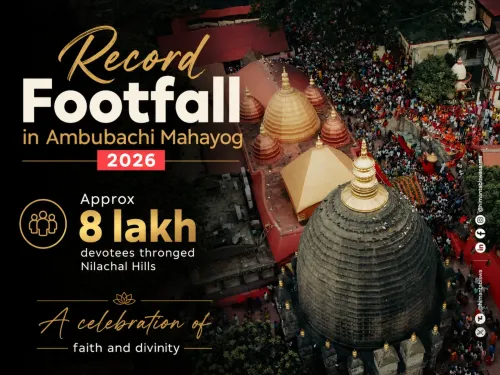
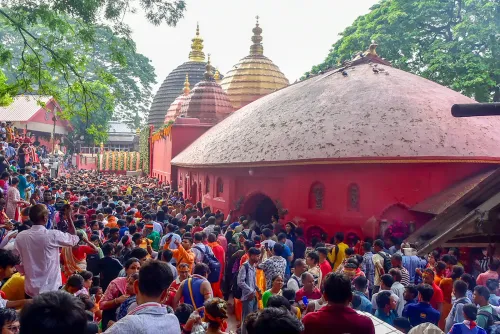
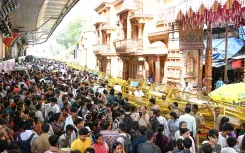
More than eight lakh devotees are expected at the Kamakhya Temple on Nilachal Hill , Guwahati .
The Ambubachi Mela is an annual four-day festival marking the goddess's symbolic menstruation, drawing pilgrims from across India and neighbouring countries.
The BJP-led Assam government has positioned major religious festivals as platforms for cultural heritage promotion and religious tourism.
Security, sanitation, and transport logistics are key areas of state coordination ahead of the mela.
Local traders, hospitality providers, and transport operators in Guwahati stand to benefit from the large pilgrim footfall.
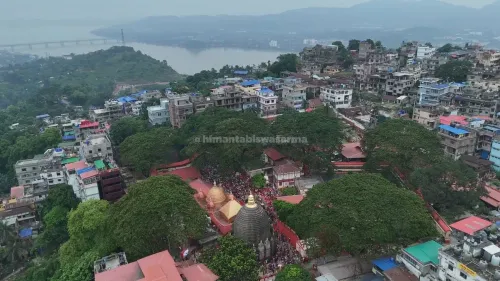
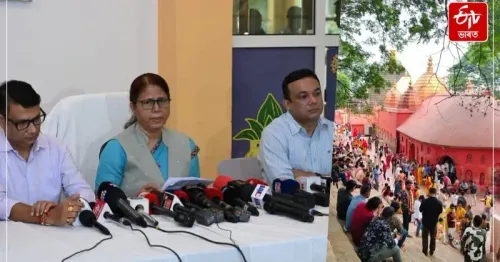
Assam Chief Minister Himanta Biswa Sarma on Thursday, 18 June 2026, announced that the state is fully prepared to receive more than eight lakh devotees for the annual Ambubachi Mela at the sacred Kamakhya Temple on Nilachal Hill in Guwahati.
Context
Posting in Hindi on X, CM Sarma wrote: 'नीलाचल की पावन धरती एक बार फिर आस्था के विराट संगम की साक्षी बनने जा रही है' ('The sacred land of Nilachal is once again set to witness a grand confluence of faith'). He extended a warm welcome to all pilgrims, invoking the blessings of Maa Kamakhya and the spirit of Sanatan tradition.
The Ambubachi Mela is held every June at the Kamakhya Temple, one of the most revered Shakti Peethas in India. The four-day festival marks the goddess's symbolic menstruation and draws sadhus, tantriks, and pilgrims from across the country and neighbouring nations.
Policy Backdrop
The BJP-led Assam government under CM Sarma has consistently positioned major religious festivals as platforms to promote cultural heritage and religious tourism in the Northeast. State authorities have, over successive editions of the mela, coordinated security, sanitation, and transport logistics to manage growing pilgrim footfall.
Nilachal Hill and the Kamakhya Temple complex hold deep significance in the Shakta tradition, and the state administration has linked such events to its broader outreach among Hindu and indigenous communities in the region. Infrastructure improvements and crowd-management protocols have become a recurring feature of pre-festival announcements.
Stakeholders and Impact
An expected turnout of over eight lakh pilgrims has significant implications for Guwahati's local economy, with traders, hospitality providers, and transport operators among the primary beneficiaries. Temple priests and local residents of the Nilachal area are central stakeholders in ensuring the smooth conduct of the mela.
Security coordination between Assam Police and temple authorities will be critical given the scale of the gathering. Pilgrims travelling from distant states and neighbouring countries will depend on the state's preparedness across transport, accommodation, and sanitation infrastructure.
What's Next
The administration is expected to release detailed logistics arrangements covering transport routes, sanitation facilities, and security deployment in the days ahead. The mela's success will be closely watched as a measure of the state government's capacity to manage large-scale religious events and its commitment to promoting Assam as a destination for spiritual tourism in Northeast India.
Point of View
Sarma reinforces his administration's image as a custodian of Sanatan tradition — a posture that resonates with both the party's national Hindu-outreach narrative and Assam's deeply rooted Shakta heritage. The expected footfall of over eight lakh pilgrims also underscores the growing scale of religious tourism in the state, making festival logistics a genuine governance test. How the administration manages crowd safety and infrastructure will shape public perception as much as the symbolic messaging does.
NationPress
20 Sept 2026
Frequently Asked Questions
What is the Ambubachi Mela at Kamakhya Temple?
The Ambubachi Mela is an annual four-day festival held every June at the Kamakhya Temple on Nilachal Hill in Guwahati, Assam, marking the goddess's symbolic menstruation. It is one of the most significant Shakta festivals in India, drawing sadhus, tantriks, and lakhs of pilgrims from across the country and neighbouring nations.
How many pilgrims are expected at Kamakhya Temple for Ambubachi Mela 2026?
Assam Chief Minister Himanta Biswa Sarma announced that more than eight lakh devotees are expected to attend the Ambubachi Mela in 2026.
What preparations has the Assam government made for Ambubachi Mela 2026?
CM Himanta Biswa Sarma stated that Assam is fully prepared to welcome pilgrims, with the state government coordinating security, sanitation, and transport logistics. Detailed arrangements are expected to be announced in the days ahead of the festival.
Where is the Kamakhya Temple located?
The Kamakhya Temple is located on Nilachal Hill in Guwahati, Assam. It is one of the most important Shakti Peethas and a major centre of Tantric worship in India.
Why is Ambubachi Mela important for Assam?
The Ambubachi Mela is a major religious and cultural event that brings lakhs of pilgrims to Guwahati, boosting local trade, hospitality, and transport. The Assam government has also positioned it as a platform for promoting religious tourism and showcasing the state's Shakta heritage.