CM Himanta Hails Kamakhya Ahead of Ambubachi Mahaparva
Synopsis
Assam Chief Minister Himanta Biswa Sarma invoked the divine beauty of rain-drenched Nilachal Hill as Kamakhya Temple readies for the annual Ambubachi Mahaparva, calling the union of nature and Sanatan tradition incomparable.
Key Takeaways
CM Himanta Biswa Sarma posted a video of Kamakhya Temple on 29 May 2026 , marking the approach of Ambubachi Mahaparva .
The Ambubachi Mahaparva is a four-day annual festival at Kamakhya Temple observing the menstruation of the Goddess, drawing pilgrims and tantric sadhus nationwide.
Kamakhya Temple on Nilachal Hill, Guwahati , is one of the 51 Shakti Peethas and the foremost centre of Tantric worship in India.
The Assam government has a track record of deploying crowd management and infrastructure support during the festival period.
The festival has a significant impact on Guwahati's tourism sector, benefiting hotels, transport, and local trade.
State announcements on security and pilgrim facilities are expected ahead of the June festival dates.
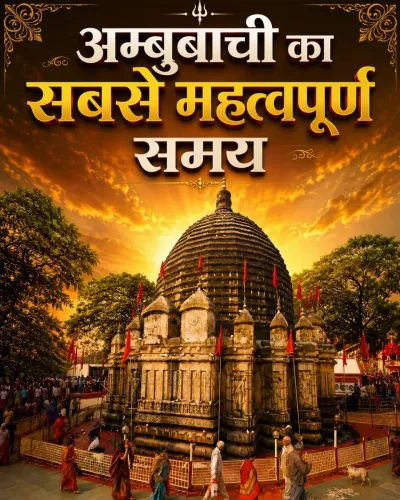
Assam Chief Minister Himanta Biswa Sarma on Friday, 29 May 2026, invoked the divine atmosphere of Nilachal Hill in Guwahati as Kamakhya Temple prepares for the sacred Ambubachi Mahaparva, describing the confluence of nature and Sanatan tradition as unparalleled.
Context
Posting in Hindi, CM Sarma wrote: 'जब बारिश की बूंदें मां कामाख्या का अभिषेक करती हैं, तब नीलाचल की शोभा और भी दिव्य हो उठती है' — 'When raindrops anoint Maa Kamakhya, the splendour of Nilachal becomes even more divine.' He added that Maa Kamakhya Dham is readying itself for the holy Ambubachi Mahaparva, calling the union of nature and Sanatan dharma 'incomparable.'
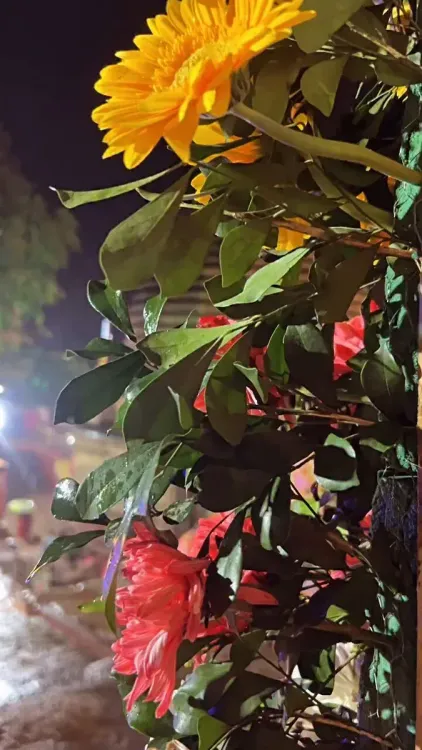
The post was accompanied by a video, widely understood to capture the rain-drenched precincts of the Kamakhya Temple complex on Nilachal Hill. The imagery reinforces the seasonal mood ahead of the festival, which falls in the Assamese month of Ahad, broadly corresponding to June.
Policy Backdrop
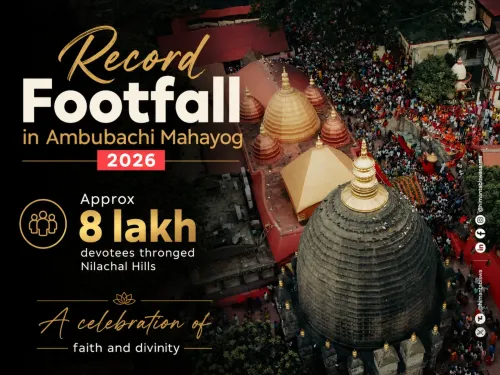
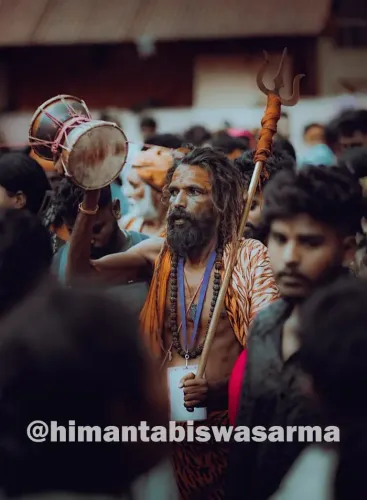
The Kamakhya Temple is one of the 51 Shakti Peethas and the foremost centre of Tantric worship in the country. The Ambubachi Mahaparva is a four-day annual observance marking the menstruation of the Goddess — a deeply venerated event that draws tens of thousands of tantric sadhus, ascetics, and pilgrims from across India and abroad.
The Assam government has in recent years invested in crowd management, security deployment, and basic infrastructure upgrades around the festival period. CM Sarma has consistently used his public platforms to highlight the state's religious and cultural landmarks, situating such messaging within a broader framework of heritage promotion and tourism development in the Northeast.
Stakeholders and Impact
The festival has significant economic and cultural ripple effects. The tourism sector in Guwahati and surrounding districts sees a marked uptick in footfall during Ambubachi, with hotels, transport operators, and local vendors among the primary beneficiaries. Pilgrims travelling from distant states depend heavily on state-coordinated logistics and safety arrangements.
For the wider Shakta community, the Mahaparva holds deep spiritual significance that transcends regional boundaries. The Chief Minister's public communication ahead of the festival serves both as a cultural affirmation and as an implicit signal that state machinery is engaged in preparation.
What's Next
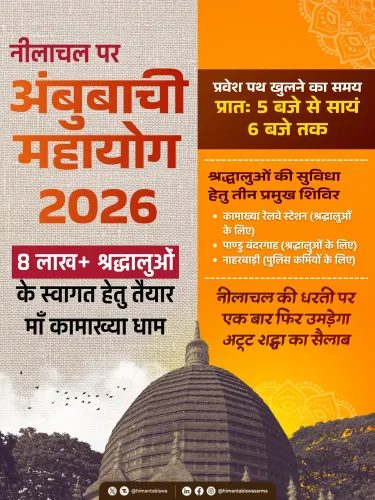
Formal state government announcements on pilgrim facilities, security arrangements, and any infrastructure additions are expected in the days leading up to the festival. Observers will watch whether CM Sarma or other senior officials make an on-site visit to the Kamakhya Temple complex as the Mahaparva dates approach, a gesture that has precedent in recent years. The annual observance remains one of the most watched religious events on Nilachal Hill and a barometer of the state's commitment to managing large-scale religious gatherings with dignity and safety.
Point of View
Rain-blessed beauty of Nilachal Hill, the messaging blurs the line between spiritual reverence and destination branding, a duality that has proven effective in mobilising both pilgrims and tourists. The post also reinforces Sarma's role as a custodian of Assam's Shakta heritage at a time when religious tourism is a stated policy priority across several BJP-governed states. Watchers of Northeast politics will note that such communications typically precede concrete government announcements on festival logistics, making this as much a policy prelude as a devotional gesture.
NationPress
14 Oct 2026
Frequently Asked Questions
What is Ambubachi Mahaparva at Kamakhya Temple?
Ambubachi Mahaparva is a four-day annual festival at Kamakhya Temple in Guwahati, Assam , marking the menstruation of Goddess Kamakhya. It falls during the Assamese month of Ahad (around June) and draws large numbers of tantric sadhus, ascetics, and pilgrims from across India.
Where is Kamakhya Temple located?
Kamakhya Temple is situated on Nilachal Hill in Guwahati, Assam . It is one of the 51 Shakti Peethas and is regarded as the most important centre of Tantric worship in India.
What did Assam CM Himanta Biswa Sarma say about Kamakhya?
CM Himanta Biswa Sarma posted that 'when raindrops anoint Maa Kamakhya, the splendour of Nilachal becomes even more divine,' adding that Kamakhya Dham is preparing for the holy Ambubachi Mahaparva and calling the union of nature and Sanatan tradition incomparable.
When is Ambubachi Mahaparva 2026?
Ambubachi Mahaparva 2026 falls during the Assamese month of Ahad, broadly corresponding to June 2026 . The exact dates are determined by the traditional almanac and announced by the temple authorities.
How does the Assam government support Ambubachi Mahaparva?
The Assam government typically deploys crowd management teams, security personnel, and undertakes infrastructure upgrades around the Kamakhya Temple complex ahead of and during the festival to ensure pilgrim safety and convenience.