CM Himanta Launches Ambubachi Cleanliness Drive at Kamakhya

Synopsis
Assam Chief Minister Himanta Biswa Sarma on 21 June 2026 honoured civic workers running a pre-Ambubachi cleanliness campaign at Kamakhya Dham and Guwahati, calling the drive an act of devotion and service ahead of the annual festival that draws lakhs of pilgrims.
Key Takeaways
CM Himanta Biswa Sarma publicly acknowledged sanitation workers and civic volunteers preparing Kamakhya Dham and Guwahati for the Ambubachi Mahayog 2026 festival.
The Chief Minister framed the cleanliness campaign as an act of seva (service) and devotion, not just administrative duty.
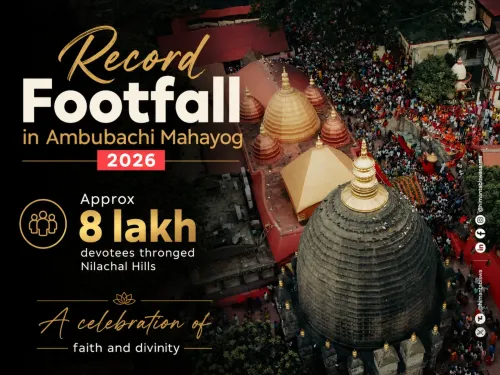
Ambubachi Mahayog is an annual four-day festival at the Kamakhya Temple — one of India's foremost Shakti Peethas — attracting lakhs of pilgrims from across India and abroad.
The drive aligns with the Swachh Bharat Mission framework that has guided state-level hygiene campaigns at major religious sites since 2014 .
The Assam government has been progressively developing Kamakhya Dham as a premier religious tourism destination, with festival periods serving as key milestones for infrastructure and civic upgrades.
Assam Chief Minister Himanta Biswa Sarma on Sunday, 21 June 2026 paid tribute to sanitation workers and civic volunteers mobilised for a large-scale cleanliness campaign at Kamakhya Dham and Guwahati ahead of the Ambubachi Mahayog festival, describing the effort as an act of devotion rather than mere administrative duty.
Context
Posting in Hindi on the eve of the festival, CM Sarma wrote: 'अंबुबाची महायोग के पावन अवसर पर माँ कामाख्या धाम और गुवाहाटी को स्वच्छ एवं सुव्यवस्थित बनाने का यह अभियान केवल एक जिम्मेदारी नहीं, बल्कि सेवा और श्रद्धा का भाव है।' [On the auspicious occasion of Ambubachi Mahayog, this campaign to keep Maa Kamakhya Dham and Guwahati clean and orderly is not merely a responsibility — it is an expression of service and devotion.] He specifically saluted the karmayogis — dedicated workers — preparing the city to receive lakhs of pilgrims.
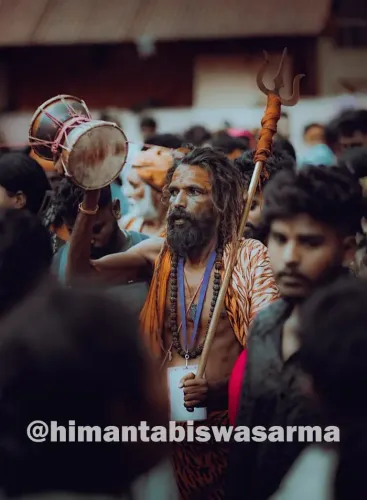
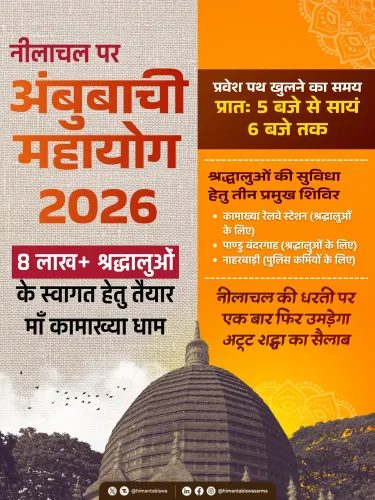
The Ambubachi Mahayog is an annual four-day festival at the Kamakhya Temple, one of India's most revered Shakti Peethas, situated atop Nilachal Hill in Guwahati. The festival marks the period of the goddess Kamakhya's menstruation and draws pilgrims, sadhus, and tantric practitioners from across India and several countries abroad, making it one of the largest religious congregations in the North-East.
Policy Backdrop
The cleanliness drive aligns with the spirit of the Swachh Bharat Mission, launched nationally in 2014, which has guided state-level hygiene campaigns at major religious and tourist sites. Assam has progressively positioned Kamakhya Dham as a premier religious tourism destination, with successive administrations investing in pilgrim amenities, crowd-management infrastructure, and city beautification around festival periods.
For a city like Guwahati — the largest urban centre in Assam and the primary gateway for Kamakhya pilgrims — the logistical challenge of managing lakhs of visitors over a concentrated four-day window requires coordinated deployment of sanitation staff, civic personnel, and temple administration well before the festival begins.
Stakeholders and Impact
The immediate beneficiaries of the campaign are the lakhs of pilgrims expected to converge on Guwahati for Ambubachi 2026. Clean surroundings, organised crowd corridors, and hygienic public facilities directly affect the safety and experience of devotees, many of whom travel from distant states and abroad. Sanitation workers and civic volunteers — the karmayogis acknowledged by the Chief Minister — are central to the operation, working in the days leading up to and during the festival.
The Kamakhya Temple administration and the Guwahati Municipal Corporation are the key institutional actors coordinating the ground-level effort. Broader economic spillovers touch local hospitality, transport, and trade sectors that depend heavily on the annual pilgrim surge.
What's Next
With Ambubachi Mahayog 2026 now imminent, attention will turn to how effectively the cleanliness and crowd-management preparations translate on the ground during the four festival days. Any announcements by the Assam government on new pilgrim facilities, infrastructure upgrades, or tourism schemes linked to the festival will be closely watched as indicators of the state's longer-term commitment to developing Kamakhya Dham as a world-class spiritual destination.
Point of View
Reinforcing ideological continuity between state and central messaging. As Assam competes to position itself as a spiritual tourism hub for the North-East, how the Ambubachi experience is managed on the ground will matter as much as the messaging around it.
NationPress
20 Sept 2026
Frequently Asked Questions
What is Ambubachi Mahayog and why is it significant?
Ambubachi Mahayog is an annual four-day festival at the Kamakhya Temple in Guwahati, Assam, marking the menstruation of the goddess Kamakhya. It is one of India's largest religious gatherings, drawing lakhs of pilgrims, sadhus, and tantric practitioners from across the country and abroad.
What did CM Himanta Biswa Sarma say about the Kamakhya cleanliness drive?
CM Sarma said the campaign to keep Kamakhya Dham and Guwahati clean ahead of Ambubachi Mahayog is not merely a responsibility but an expression of service and devotion, and he saluted all the dedicated workers involved.
Where is Kamakhya Temple located?
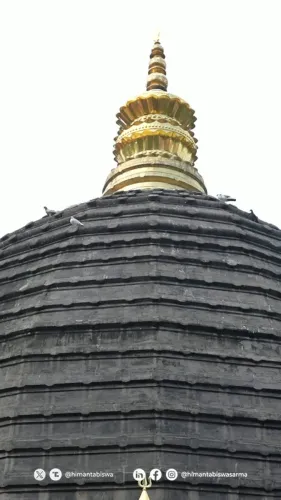
Kamakhya Temple is located atop Nilachal Hill in Guwahati, Assam. It is one of India's most revered Shakti Peethas and a major centre of tantric worship.
How does the Swachh Bharat Mission relate to the Kamakhya cleanliness drive?
The Swachh Bharat Mission, launched nationally in 2014, has guided state-level cleanliness campaigns at major religious and tourist sites. Assam's pre-Ambubachi drive follows this framework, combining public health goals with cultural reverence.
Who are the karmayogis mentioned by CM Himanta Biswa Sarma?
The term karmayogis refers to the sanitation workers, civic volunteers, and other ground-level personnel deployed to clean and organise Kamakhya Dham and Guwahati ahead of the Ambubachi Mahayog festival.