Kamakhya Corridor: Legal hurdles cleared, work to speed up says Assam CM
Synopsis
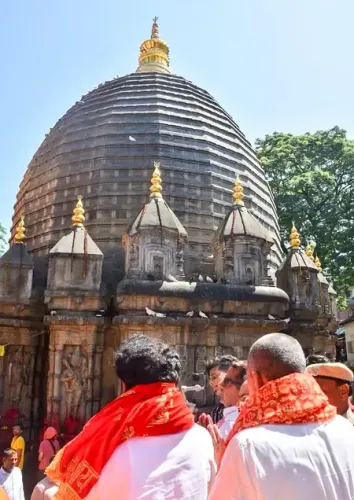
After months of legal delays, the ₹498 crore Maa Kamakhya Access Corridor in Guwahati is back on track. Assam CM Himanta Biswa Sarma confirmed construction will accelerate following Gauhati High Court clearance — a project that will expand open space around one of India's most sacred Shakti Peethas by more than thirtyfold.
Key Takeaways
Assam CM Himanta Biswa Sarma confirmed on 14 May that work on the ₹498 crore Maa Kamakhya Access Corridor will accelerate.
Most legal hurdles have been resolved after the Gauhati High Court cleared the project in February 2025 .
Studies by IIT Guwahati and the Indian Institute of Hydrology addressed environmental and structural concerns.
Access pathways will be widened from 8–10 feet to 27–30 feet ; open space will grow from 3,000 sq ft to over 1 lakh sq ft .
The project is funded under the PM-DevINE scheme and was launched in February 2024 .
A fresh construction completion date has not yet been officially announced.
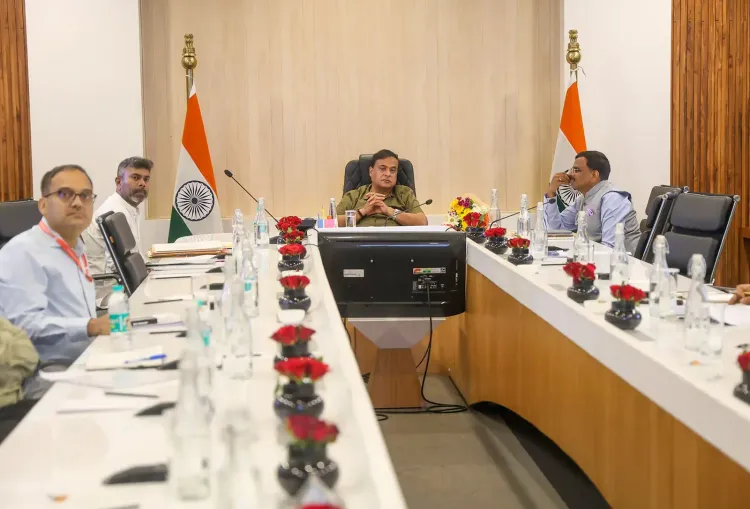
Assam Chief Minister Himanta Biswa Sarma on Thursday, 14 May announced that construction on the ₹498 crore Maa Kamakhya Access Corridor project in Guwahati will accelerate significantly after most legal challenges surrounding the redevelopment have been resolved. The statement came after Sarma conducted a fresh review of the project's progress.
What the CM Said
Sarma shared the update directly on social media platform X, reaffirming the state government's commitment to transforming the pilgrim experience at the Kamakhya temple atop Nilachal Hill. 'With most legal processes now resolved, work will gather pace in the coming days. Our aim is to offer an excellent experience to all the pilgrims who are visiting Maa Kamakhya Mandir,' he posted.
Scale and Scope of the Project
Launched in February 2024, the Maa Kamakhya Access Corridor is one of the largest temple redevelopment initiatives in Northeast India. The project is being implemented under the PM-DevINE scheme and targets a sweeping overhaul of infrastructure around one of the country's most revered Shakti Peethas.
Key physical upgrades include construction of a three-level corridor and widening existing access pathways from roughly 8–10 feet to nearly 27–30 feet. Open space around the temple complex is set to expand from approximately 3,000 square feet to more than 1 lakh square feet — a more than thirtyfold increase aimed at decongesting the premises during peak pilgrim footfall.
Why the Corridor Matters
The Kamakhya temple draws lakhs of devotees annually, with crowd pressure peaking during events such as the Ambubachi Mela. Narrow access routes and limited open space have long posed safety and logistical challenges for pilgrims and temple authorities alike. The corridor project directly addresses those bottlenecks.
Notably, this is also a significant infrastructure push for Assam's religious tourism sector, which the state government has been actively promoting as part of a broader economic development strategy for the Northeast.
How Legal Hurdles Were Cleared
The project had earlier stalled after petitions were filed in court raising concerns over potential damage to the temple's heritage structures and subterranean water sources beneath Nilachal Hill. In February 2025, the Gauhati High Court permitted the project to proceed after studies by the Indian Institute of Technology Guwahati and the Indian Institute of Hydrology addressed the environmental and structural concerns raised by petitioners.
The state government has maintained that the revised project plan will preserve the temple's heritage character while delivering safer and better-equipped access for devotees and tourists.
What Comes Next
With court clearances in place and a renewed push from the Chief Minister, construction activity is expected to visibly intensify in the weeks ahead. The project's completion timeline has not been officially revised following the legal delays, and authorities are yet to confirm a fresh target date for inauguration.
Point of View
But the real accountability question is timeline. Legal delays have already cost the project over a year of active construction, and no revised completion date has been announced. For a project of this scale — one that directly affects lakh-plus pilgrims during each Ambubachi Mela — vague assurances of 'gathering pace' are not enough. The government must now publish a concrete milestone schedule. The PM-DevINE funding link also raises the stakes: delays in Northeast flagship schemes have historically attracted scrutiny from the Centre over utilisation timelines.
NationPress
26 Sept 2026
Frequently Asked Questions
What is the Maa Kamakhya Access Corridor project?
The Maa Kamakhya Access Corridor is a ₹498 crore temple redevelopment initiative in Guwahati, Assam, launched in February 2024 under the PM-DevINE scheme. It aims to widen access pathways, build a three-level corridor, and expand open space around the Kamakhya temple from 3,000 sq ft to over 1 lakh sq ft.
Why was the Kamakhya Corridor project delayed?
The project faced legal and environmental challenges after petitions were filed raising concerns about potential damage to the temple's heritage structures and underground water sources on Nilachal Hill. The Gauhati High Court cleared the project in February 2025 after IIT Guwahati and the Indian Institute of Hydrology submitted studies addressing those concerns.
What did Assam CM Himanta Biswa Sarma say about the corridor?
Sarma posted on X on 14 May that he had reviewed the project's progress and that with most legal processes resolved, work would 'gather pace in the coming days.' He reiterated the government's goal of providing an excellent experience to Kamakhya temple pilgrims.
Who will benefit from the Kamakhya Corridor?
The corridor primarily benefits the lakhs of pilgrims who visit the Kamakhya temple annually, particularly during the Ambubachi Mela. Wider pathways and vastly expanded open space are intended to ease congestion and improve safety for devotees and tourists alike.
When is the Kamakhya Corridor expected to be completed?
A revised completion date has not been officially announced following the legal delays. The state government has indicated construction will accelerate now that court clearances are in place, but a firm inauguration timeline is yet to be confirmed.