Is India on the Brink of Completing Rail Electrification?
Synopsis
India is on the verge of completing its electrification of the rail network, achieving **over 99 percent** electrification. This monumental step is not only about efficiency but also about reducing emissions and aligning with global sustainability goals, paving the way for a cleaner transportation future.
Key Takeaways
Indian Railways is nearing **99% electrification** of its broad-gauge network.
The electrification initiative significantly reduces diesel consumption and emissions.
Plans are in place to utilize renewable energy sources for traction requirements.
New locomotives are being developed with advanced technology for energy efficiency.
This transition supports India’s goal of becoming a **net-zero carbon emitter**.
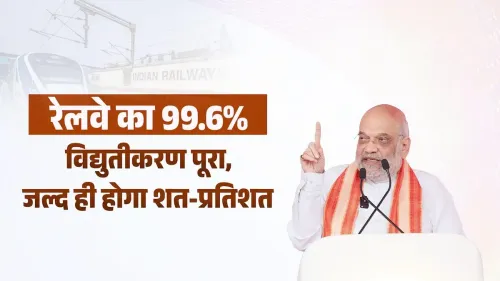
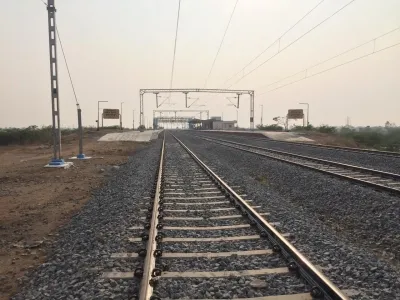
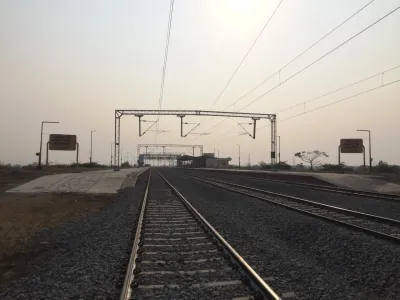
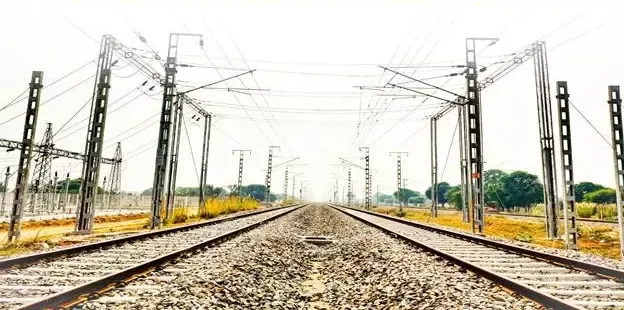
New Delhi, Dec 4 (NationPress) The Indian Railways is nearing the completion of its extensive electrification initiative, with over 99 percent of its broad-gauge network already electrified. The remaining sections are anticipated to be finished shortly, as stated by the Railways Ministry on Sunday.
"The work pace in recent years has been remarkable. From 2019 to 2025, Indian Railways has electrified more than 33,000 route kilometers, achieving an average of over 15 Route KMs daily. The distance electrified during this timeframe is nearly equivalent to the total railway network of Germany, underscoring the scale and commitment of India towards expanding clean and efficient rail traction," the statement elaborated.
India's accomplishment is particularly noteworthy when compared to nations with well-established railway systems. The country has successfully electrified nearly its entire broad-gauge network while managing one of the world's largest and busiest rail services.
This transformation has significantly cut down diesel usage, reduced emissions, lowered operational costs, and enhanced the efficiency and speed of train operations. While many advanced economies still rely heavily on diesel traction due to cost or structural constraints, India has advanced through meticulous planning and consistent execution.
As the final sections are completed, India is poised to operate one of the globe's largest fully electrified railway systems, aligning with Indian Railways’ ambition to become a net-zero carbon emitter and providing cleaner, faster, and more reliable transport for millions of passengers daily.
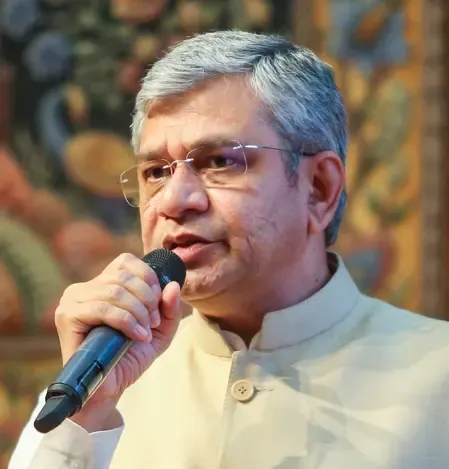
Railways Minister Ashwini Vaishnaw informed Parliament on Wednesday that Indian Railways aims to fulfill its electric power needs for traction through renewable energy sources, including solar, wind, and other renewables based on strategic power procurement planning, thereby minimizing its carbon footprint.
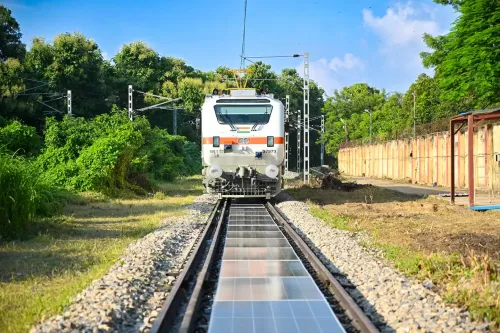
The minister stated that by November 2025, approximately 812 megawatts (MW) of solar energy plants and around 93 MW of wind energy plants have been established, catering to the traction needs of Indian Railways. Additionally, 100 MW of renewable energy secured under the Round the Clock (RTC) mode from the Solar Energy Corporation of India (SECI) has commenced for traction use.
Moreover, a further 1,500 MW of renewable capacity under the RTC mode has been secured to meet traction power demands. This hybrid solution comprises solar, wind, and storage elements.
Furthermore, Indian Railways is now producing and commissioning cutting-edge three-phase IGBT technology-based locomotives. These locomotives feature regenerative capabilities, allowing them to recover energy consumed during braking, making them more energy-efficient.
Point of View
The electrification of Indian Railways is a significant step toward sustainable development. It reflects India's commitment to modernizing its infrastructure while prioritizing environmental concerns. The advancements in technology and the strategic shift toward renewable energy sources highlight a forward-thinking approach that aligns with global sustainability goals.
NationPress
28 Sept 2026
Frequently Asked Questions
What percentage of India's railway network is electrified?
As of now, **over 99 percent** of India's broad-gauge railway network has been electrified.
What are the benefits of electrifying the rail network?
Electrification reduces diesel consumption, lowers emissions, decreases operational costs, and enhances the efficiency and speed of train operations.
How much renewable energy has Indian Railways commissioned?
Indian Railways has commissioned about **812 MW** of solar and **93 MW** of wind energy plants to meet its traction needs.
What technology is being used in the new locomotives?
Indian Railways is manufacturing three-phase **IGBT technology-based locomotives** that have regenerative features for better energy efficiency.
When is the full electrification expected to be completed?
The remaining stretches are expected to be completed soon, with plans progressing towards full electrification by **November 2025**.