Is Chandigarh's Sukhna Wildlife Sanctuary a Safe Haven for Leopards and Jackals?
Synopsis
The Sukhna Wildlife Sanctuary in Chandigarh has confirmed the presence of leopards and jackals, indicating a thriving ecosystem. With new safety protocols being established, visitors are urged to respect wildlife and adhere to guidelines for a safer experience in this vibrant habitat.
Key Takeaways
Sukhna Wildlife Sanctuary is confirmed to have leopards and jackals.
Field inspections revealed significant wildlife activity.
The Forest Department is preparing SOPs for visitor safety.
Awareness and education initiatives are crucial for local communities.
Visitors must adhere to guidelines to ensure safety.
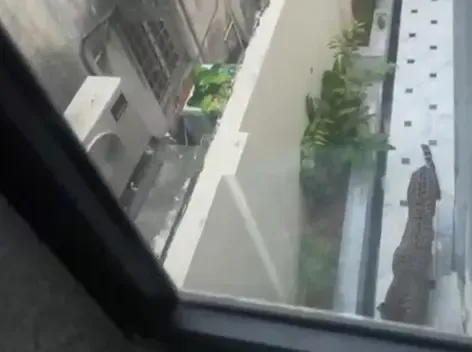
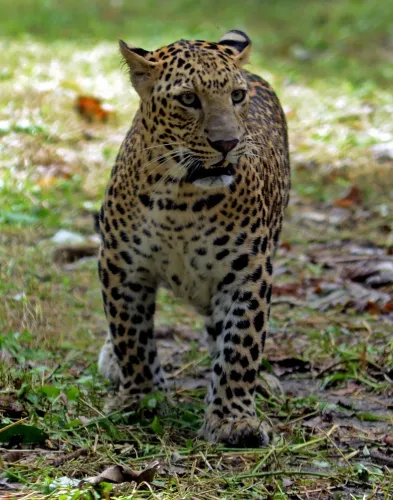
Chandigarh, Dec 14 (NationPress) The Sukhna Wildlife Sanctuary, situated on the outskirts of Chandigarh, has officially reported the presence of leopards, jackals, and various other wildlife species, as stated by Chief Wildlife Warden Saurabh Kumar.
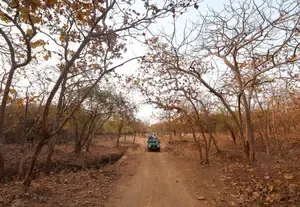
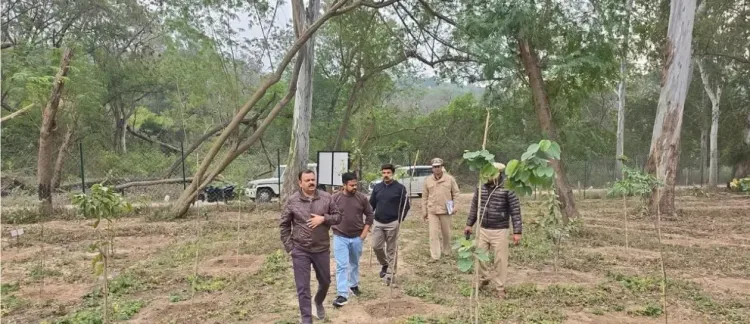
Accompanied by Conservator of Forests Anup Kumar Soni and Deputy Conservator of Forests Navneet Srivastava, a field inspection of the sanctuary was conducted on Saturday.
During this inspection, the team examined multiple sites where leopard activity has been documented via camera traps and observations made by frontline staff.
They also evaluated several water bodies and assessed the habitat conditions catering to migratory birds within the sanctuary.
The inspection confirmed the presence of leopards and other wildlife across numerous locations within the sanctuary, supported by camera trap visuals and pugmark evidence, indicating active wildlife movement throughout the forest.
This occurrence is natural and signifies a thriving forest ecosystem.
Nonetheless, to ensure the safety of the public and wildlife alike, the Forest Department is in the process of drafting a Standard Operating Procedure (SOP) in collaboration with the Wildlife Institute of India in Dehradun, which will address visitor management at the Sukhna Wildlife Sanctuary and related aspects.
The SOP will encompass precautionary measures and wildlife management strategies.
These include the installation of do's and don'ts, awareness boards, and warning signages at strategic spots inside and outside the sanctuary, highlighting the presence of leopards, sambar, jackals, and other wildlife along with necessary safety guidelines.
Additionally, efforts will be made for awareness generation and sensitization of local villages and residents regarding wildlife behavior and essential precautionary measures, alongside reinforcing existing fencing at vulnerable points in the sanctuary.
The Forest Department assures that consistent monitoring is being conducted, and all mandatory steps are being taken to prioritize public safety while adhering to wildlife conservation efforts.
Visitors are encouraged to fully comply with the prescribed guidelines and avoid entering restricted zones.
Point of View
It is essential to highlight the balance between wildlife conservation and public safety. The Sukhna Wildlife Sanctuary's proactive measures to ensure visitor safety while maintaining a thriving ecosystem exemplify responsible wildlife management. Engaging the community and promoting awareness is vital for harmonious coexistence.
NationPress
1 Oct 2026
Frequently Asked Questions
What wildlife can be found in Sukhna Wildlife Sanctuary?
Sukhna Wildlife Sanctuary is home to leopards, jackals, sambar, and various migratory birds, showcasing a rich biodiversity.
What safety measures are being implemented for visitors?
The Forest Department is drafting a Standard Operating Procedure (SOP) that includes precautionary guidelines, awareness boards, and reinforced fencing.
How can visitors contribute to wildlife conservation?
Visitors can help by following safety guidelines, respecting wildlife habitats, and participating in awareness initiatives.