Are Leopard Sightings in Jaipur a Cause for Concern?

Synopsis
The alarming rise in leopard sightings in Jaipur's residential areas has sparked debate in the Rajasthan Assembly. The state government has responded with plans for a dedicated wildlife helpline and improved monitoring strategies to ensure public safety. This article explores the implications of these developments on human-wildlife interactions.
Key Takeaways
Dedicated Wildlife Helpline: A new helpline (1926) will be established for reporting wildlife movements.
Enhanced Monitoring: Quick Response Teams will patrol sensitive areas regularly.
Community Involvement: Local residents will assist in monitoring leopard activities.
Preventive Measures: Enclosures and water holes are being developed to keep leopards away from urban areas.
Response to Human-Wildlife Conflict: The government is taking steps to mitigate conflicts and ensure public safety.
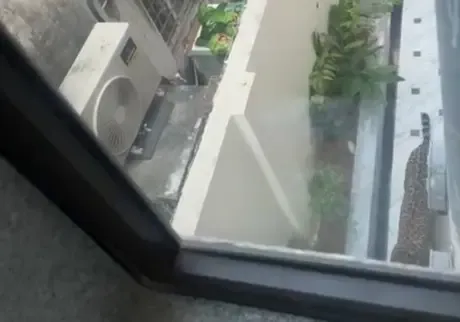
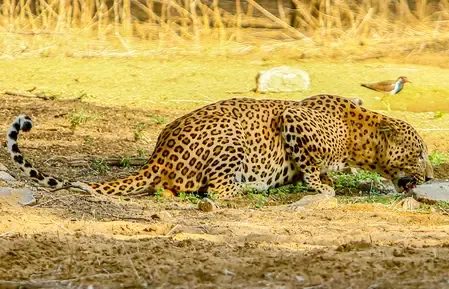
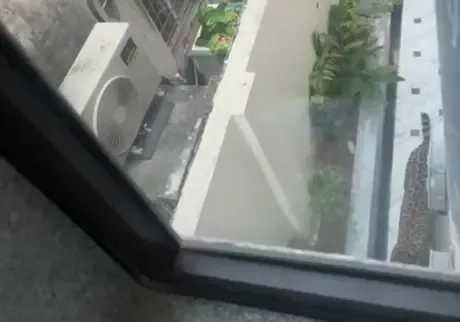
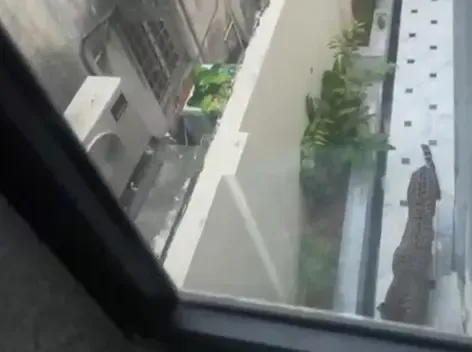
Jaipur, Jan 29 (NationPress) The increasing occurrences of leopards venturing into urban areas of Jaipur sparked a significant discussion in the Rajasthan Legislative Assembly on Thursday. This issue was brought to light during the ongoing Budget Session, leading the state government to declare the establishment of a dedicated wildlife helpline and improved monitoring strategies.
Addressing the assembly during Question Hour, BJP MLA Kalicharan Saraf voiced his alarm over the frequent leopard appearances in densely populated districts of the state capital, mentioning that reports of these sightings are nearly daily, inciting fear among the community.
He emphasized that despite the persistent human-wildlife interactions, Jaipur currently lacks a specialized helpline for prompt emergency assistance.
In response, Forest Minister Sanjay Sharma recognized the gravity of the situation and announced the rollout of a wildlife helpline -- 1926 -- within the next month. This helpline will empower citizens to report wildlife movements, including leopards, in urban neighborhoods, ensuring quicker responses and improved oversight.
During follow-up inquiries, Saraf proposed implementing security measures similar to those in Maharashtra, often regarded as a benchmark for urban wildlife management.
Reassuring the assembly, the Minister stated that protocols in Maharashtra and other states would be analyzed to formulate a Standard Operating Procedure (SOP) to be executed within the current fiscal year.
Sharma informed the House that leopard movements had been documented multiple times in Jaipur throughout the past year.
Official statistics reveal that leopards were spotted on seven different occasions in locations such as the MNIT campus, Civil Lines, Jagatpura, Gopalpura Puliya, and surrounding areas.
Outlining preventive actions, the Minister noted that on December 2, 2024, the Forest Department established two Quick Response Teams (QRTs), which are currently on 24/7 alert and conducting regular nocturnal patrols in sensitive regions. A trained wildlife tracker from Ranthambore has been assigned, and six local residents from the Jhalana-Amagarh area have received specialized training to monitor leopard exit points from forested regions.
To mitigate wildlife encroachment into human habitats, the department is creating a one-hectare enclosure within the forest aimed at introducing chital and has constructed six new water holes. Surveillance efforts have been intensified with the installation of 20 additional camera traps, bringing the total to 60.
Forest officials indicated that these initiatives are anticipated to considerably diminish leopard movements within residential areas and alleviate human-wildlife conflicts in Jaipur.
Point of View
I believe that the increasing leopard sightings in Jaipur highlight the critical need for effective wildlife management in urban settings. While the government's response is encouraging, ongoing collaboration between wildlife officials and the local community will be essential in mitigating human-wildlife conflicts and ensuring public safety.
NationPress
30 Sept 2026
Frequently Asked Questions
What prompted the Rajasthan Legislative Assembly to address leopard sightings?
The increasing frequency of leopard sightings in residential areas of Jaipur led to concerns among residents and prompted BJP MLA Kalicharan Saraf to raise the issue during the Budget Session.
What measures is the Rajasthan government taking to address the issue?
The government plans to launch a wildlife helpline (1926) and enhance monitoring efforts, including the formation of Quick Response Teams and increased surveillance.
How many leopard sightings have been reported in Jaipur recently?
Official data indicates that leopards were sighted on seven occasions in various locations within Jaipur over the past year.
What preventive actions are being implemented to reduce leopard movement?
Preventive measures include creating a one-hectare wildlife enclosure, introducing chital, and establishing additional water holes to deter leopards from approaching human settlements.
What role do local residents play in monitoring wildlife?
Six local residents from the Jhalana-Amagarh region have been trained to monitor leopard exit points to assist in wildlife management efforts.