India Chem 2026: JP Nadda eyes $1 trillion chemicals sector by 2040
Synopsis
At India Chem-2026 in Mumbai, Union Minister JP Nadda set a striking target: grow India's chemicals and petrochemicals sector 4.5 times — from $220 billion today to $1 trillion by 2040. With Japan as partner country and 5,000-plus attendees from across the globe, the conclave framed India's bid to claim a top slot in the world's chemical supply chain.
Key Takeaways
JP Nadda set a target for India's chemicals and petrochemicals sector to reach $1 trillion by 2040 , up from the current $220 billion .
The sector must further grow to $1.6 trillion by 2047 to support the Viksit Bharat vision.
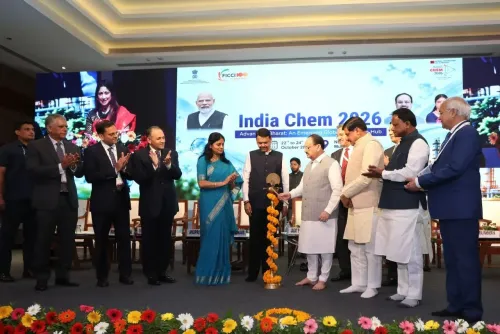
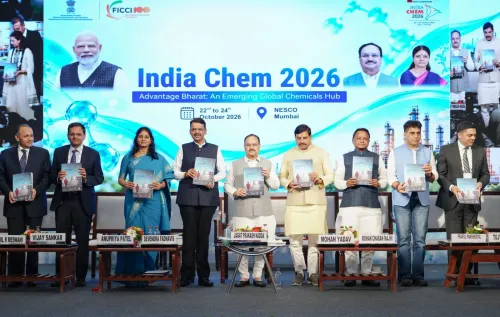
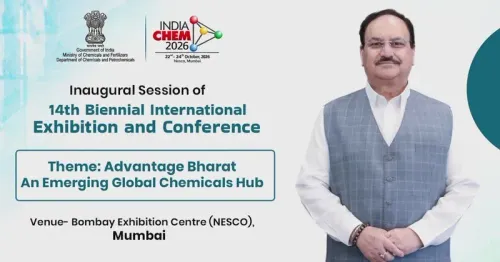
India Chem-2026 , held in Mumbai , was organised jointly by the Department of Chemicals and Petrochemicals and FICCI .
Japan was the partner country; dedicated forums also covered India-US and India-EU collaboration in the sector.
The three-day conclave attracted over 5,000 visitors from countries including Japan , the US , Canada , the UK , the EU , and ASEAN nations.
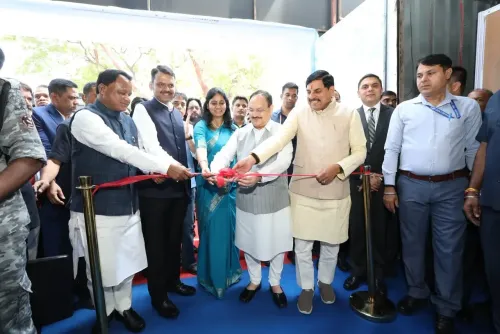
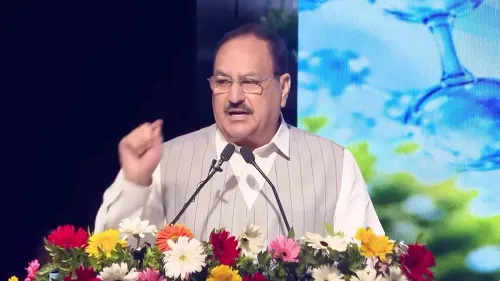
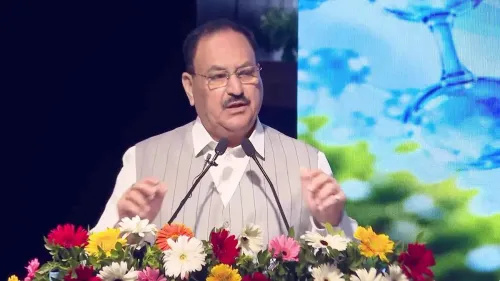
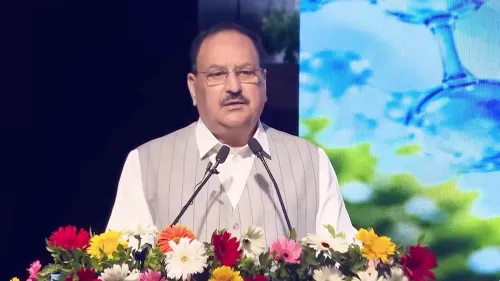
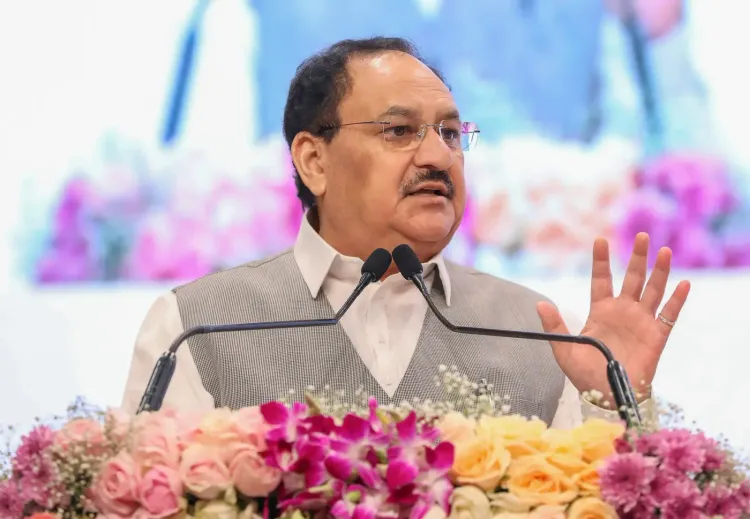
Union Minister JP Nadda on Saturday, 24 October 2026, declared that India's chemicals and petrochemicals sector must scale from its current market size of approximately $220 billion to $1 trillion by 2040 — and further to $1.6 trillion by 2047 — if the country is to realise its Viksit Bharat ambitions. Nadda made the remarks at the closing session of India Chem-2026, a three-day industry conclave held in Mumbai.
The $1 Trillion Target
Addressing the CEOs Forum, which he personally presided over, Nadda described the chemicals and petrochemicals industry as a 'sunrise sector' with the structural potential to serve as a pillar of India's economic development. He emphasised that the sector's contribution is 'indispensable' to achieving the Viksit Bharat 2047 vision — the government's blueprint for India to become a fully developed nation by its centenary of independence. Reaching $1 trillion by 2040 would mean growing roughly 4.5 times over approximately 14 years, a pace that would require sustained policy support, foreign investment, and technology upgrades.
India-Japan Partnership at the Fore
Japan was the designated partner country for India Chem-2026, reflecting the robust bilateral trade relationship the two nations share, particularly in the chemicals and petrochemicals space. Dedicated brainstorming forums — India-Japan, India-US, and India-EU Chemicals and Petrochemicals Forums — brought together representatives and industry leaders to explore deeper collaboration in trade, investment, and technology transfer. The international dimension of the event underscored India's intent to position itself as a globally competitive hub rather than merely a domestic producer.
Global Participation and Industry Dialogue
The three-day conclave, organised jointly by the Department of Chemicals and Petrochemicals and FICCI, drew participation from Japan, the United States, Canada, the United Kingdom, member states of the European Union, Latin America, the Republic of Korea, and ASEAN nations. Total footfall exceeded 5,000 visitors over the three days. Held under the theme 'Advantage Bharat: An Emerging Global Chemicals Hub', the event featured multiple roundtables on Specialty Chemicals, Infrastructure, Agrochemicals, Environmental Issues, and Plant Machinery — sectors identified as contemporary bottlenecks to rapid growth.
Why This Sector Matters
India's chemicals industry currently accounts for roughly 7% of the country's total exports and supports downstream industries ranging from agriculture and pharmaceuticals to construction and textiles. However, the sector has long lagged behind China in scale and global market share. The push to $1 trillion is in part a strategic response to global supply chain diversification — particularly the 'China-plus-one' trend — that has positioned India as an attractive alternate sourcing destination. This comes amid broader government efforts to attract manufacturing investment through PLI-linked frameworks and streamlined regulatory processes.
What Comes Next
Industry bodies including FICCI are expected to consolidate recommendations from the India Chem-2026 roundtables into a formal policy brief for the Department of Chemicals and Petrochemicals. Regulatory framework improvements, infrastructure investment, and technology partnerships with Japan, the US, and the EU are likely to form the core of the action agenda. The government's next steps in translating the $1 trillion ambition into sectoral schemes will be closely watched by global investors who attended the conclave.
Point of View
But context matters: reaching it requires India to grow its chemicals sector at a compounded rate that has historically eluded even more industrialised economies. The real question is whether the government will back the ambition with a concrete PLI-style incentive structure for chemicals — something that has been discussed but not yet fully delivered. India's 'China-plus-one' opportunity in specialty chemicals is real, but window-dressing it as a foregone conclusion at conclaves without binding investment commitments risks repeating the pattern of aspirational targets unmoored from execution. The India-Japan, India-US, and India-EU forums are a positive signal, but partnership MOUs signed at industry events have a mixed record of translating into on-ground investment flows.
NationPress
24 Oct 2026
Frequently Asked Questions
What target did JP Nadda set for India's chemicals sector at India Chem-2026?
Union Minister JP Nadda stated that India's chemicals and petrochemicals sector must grow from its current size of approximately $220 billion to $1 trillion by 2040, and further to $1.6 trillion by 2047. He made the remarks at the India Chem-2026 conclave in Mumbai on 24 October 2026.
What is India Chem-2026 and where was it held?
India Chem-2026 is a three-day international chemicals and petrochemicals industry conclave held in Mumbai, jointly organised by the Department of Chemicals and Petrochemicals and FICCI. The event drew over 5,000 visitors from countries including Japan, the US, Canada, the UK, and ASEAN nations.
Why is the chemicals sector important for Viksit Bharat 2047?
The chemicals and petrochemicals sector supports a wide range of downstream industries — agriculture, pharmaceuticals, textiles, and construction — and accounts for a significant share of India's exports. Nadda described the sector as 'indispensable' for India to achieve its Viksit Bharat goal of becoming a fully developed nation by 2047.
Which countries participated in India Chem-2026?
Japan was the designated partner country, reflecting strong bilateral trade ties with India in the chemicals space. Other participating nations included the United States, Canada, the United Kingdom, EU member states, Latin American countries, the Republic of Korea, and ASEAN nations.
What topics were discussed at India Chem-2026 roundtables?
Roundtable discussions covered Specialty Chemicals, Infrastructure for Chemicals and Petrochemicals, Agrochemicals, Environmental Issues, and Plant Machinery, Pumps and Valves. Separate bilateral forums with Japan, the US, and the EU focused on trade, investment, and technology collaboration.