Nadda pitches PLI push for chemicals, flags safety imperative
Synopsis
At IndiaChem2026, Union Minister J. P. Nadda highlighted PM Modi's PLI-driven commitment to chemicals and petrochemicals, including critical chemicals in 120 strategic products, while stressing industrial safety, hazardous chemical handling, and specialised workforce training as prerequisites for global competitiveness.
Key Takeaways
Nadda posted at #IndiaChem2026 on 22 October 2026 linking PLI policy to PM Modi's Atmanirbhar Bharat vision.
Chemicals and petrochemicals have been prioritised under the PLI scheme , with critical chemicals included among 120 strategic products .
Nadda flagged industrial safety , safe handling of hazardous chemicals, accident prevention, safety protocols, and specialised workforce training as essential for global competitiveness.
The PLI scheme was originally launched in Union Budget 2020 covering 13 sectors to reduce import dependence.
India's chemicals sector faces heavy import dependence on high-value intermediates, making domestic capacity-building a strategic priority.
Regulatory frameworks like the Manufacture, Storage and Import of Hazardous Chemical Rules form the existing safety baseline that the sector must now scale up.
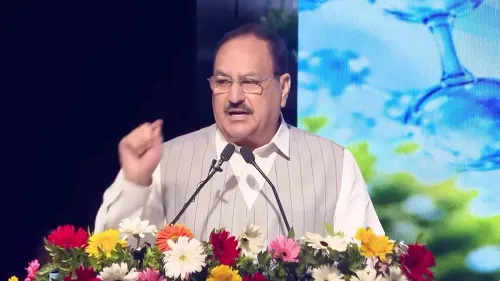
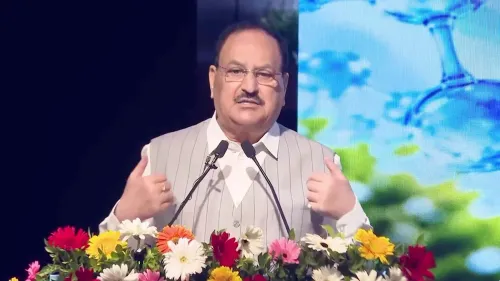
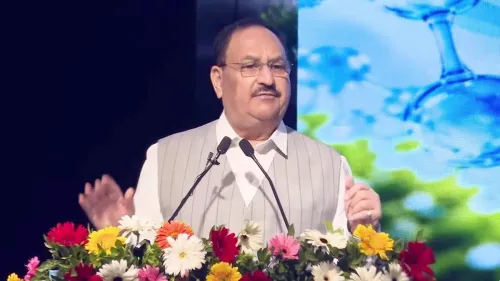
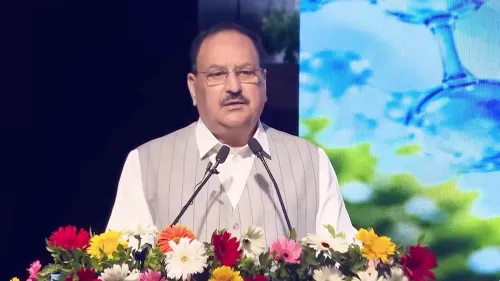
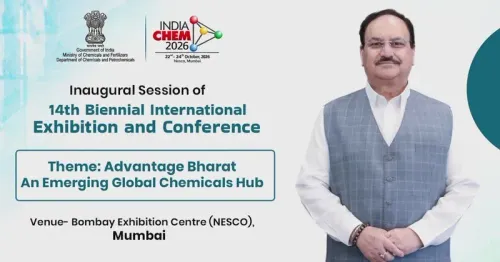
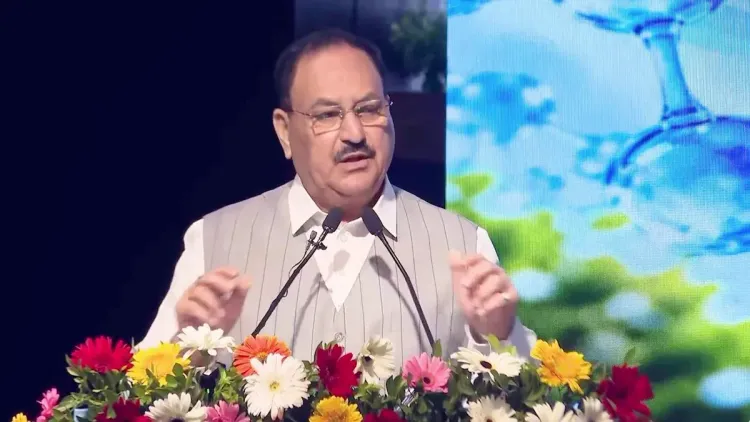
As India's chemicals sector gathers momentum under the Production Linked Incentive (PLI) scheme, Union Minister of Chemicals and Fertilizers J. P. Nadda drew a sharp line on Thursday, 22 October 2026: industrial ambition without industrial safety is an incomplete equation. Speaking in the context of #IndiaChem2026, Nadda underscored that prioritising chemicals and petrochemicals under PLI — and embedding critical chemicals within 120 strategic products — reflects Prime Minister Narendra Modi's commitment to building a self-reliant industrial base.
Translating his post, Nadda wrote: 'Giving priority to chemicals and petrochemicals in PLI and including critical chemicals among 120 strategic products reflects the commitment of honourable Prime Minister Shri Narendra Modi. At the same time, to advance at the global level, it is essential to focus on industrial safety, safe handling of hazardous chemicals, accident prevention, safety protocols and specialised workforce training.'
PLI's chemicals pivot — what the push means
The PLI scheme, first announced in the Union Budget 2020 across 13 sectors including pharmaceuticals and electronics, was designed to slash import dependence and stimulate domestic capacity. Extending that logic to chemicals and petrochemicals is a significant step — these are upstream inputs that feed everything from agrochemicals and dyes to plastics and specialty materials. Including them among 120 strategic products signals that New Delhi views chemical self-sufficiency not as a commercial nicety but as a national security priority.
India's chemical industry is one of the world's largest by volume, yet the country remains heavily import-dependent for certain high-value intermediates and specialty chemicals — particularly from China. The Atmanirbhar Bharat framework has long identified this as a vulnerability. PLI incentives tied to incremental production could shift investment calculus for domestic manufacturers, reducing that exposure over time.
The safety clause Nadda did not let slide
The minister's second, equally forceful point is the one that often gets buried in policy euphoria: scaling up hazardous chemical manufacturing without parallel investment in safety infrastructure invites catastrophe. Nadda explicitly named industrial safety, safe handling of hazardous chemicals, accident prevention, safety protocols, and specialised workforce training as non-negotiable pillars of global competitiveness.
India already operates under regulatory frameworks such as the Manufacture, Storage and Import of Hazardous Chemical Rules, but enforcement and workforce readiness across hundreds of industrial clusters remain perennial challenges. For a sector eyeing export markets in Europe, North America, and Southeast Asia — all of which carry stringent compliance requirements — safety credibility is not optional. It is the price of entry.
IndiaChem2026 as a strategic stage
The #IndiaChem2026 event provides the immediate backdrop for Nadda's intervention. Industry conclaves of this scale typically draw chemical manufacturers, petrochemical players, and policy architects together — making them natural moments to signal direction. By tying the PLI commitment directly to the PM and pairing it with the safety imperative, Nadda is effectively setting the dual agenda: grow fast, but grow safely.
For chemical manufacturers and petrochemical industry stakeholders watching the PLI rollout, the message is clear — incentives will come, but so will the expectation of world-class safety standards. India's push for a seat at the global chemicals table demands both.
Point of View
A sector where India's track record is mixed. This dual framing is politically astute: it lets the BJP take credit for an expansionary industrial policy while insulating the government from potential criticism if safety incidents follow rapid scale-up. More broadly, the inclusion of critical chemicals in the strategic-products list reflects a deepening recognition that supply-chain sovereignty in intermediates is as geopolitically significant as semiconductors or defence hardware — a pattern consistent with post-pandemic industrial policy across major economies.
NationPress
22 Oct 2026
Frequently Asked Questions
What is the PLI scheme and how does it relate to chemicals?
The Production Linked Incentive (PLI) scheme, launched in Union Budget 2020, provides financial incentives tied to incremental domestic production across 13 sectors. It has been extended to chemicals and petrochemicals to reduce India's import dependence and build strategic manufacturing capacity.
What are the 120 strategic products mentioned by Nadda?
Union Minister Nadda referred to a list of 120 strategic products under India's industrial policy framework within which critical chemicals have been included. The specific full list and exact policy instrument are subject to official notification; the mention signals government intent to treat these chemicals as priority supply-chain items.
What is IndiaChem2026?
IndiaChem2026 is an industry event focused on India's chemicals sector, serving as a platform for policy announcements, industry dialogue, and investment promotion related to chemicals and petrochemicals.
Why is industrial safety important for India's chemicals sector ambitions?
Safe handling of hazardous chemicals, accident prevention, and trained workforces are baseline requirements for export markets in Europe, North America, and Southeast Asia. Without robust safety standards, India's chemical manufacturers cannot access or sustain access to premium global markets.
How does this fit into Atmanirbhar Bharat?
Atmanirbhar Bharat aims to reduce India's dependence on imports of critical goods. Bringing chemicals and petrochemicals under PLI and designating critical chemicals as strategic products directly address India's vulnerability to import disruptions, particularly from China, in key upstream industrial inputs.