Nadda Shares Modi's Call for India in Global Pharma Top 5
Synopsis
On Independence Day 2026, Union Health Minister J. P. Nadda amplified PM Modi's call for Indian pharma companies to break into the world's top five — a sharp pivot from India's identity as a generic-medicine supplier toward global innovation leadership.
Key Takeaways
On 15 August 2026 , J.
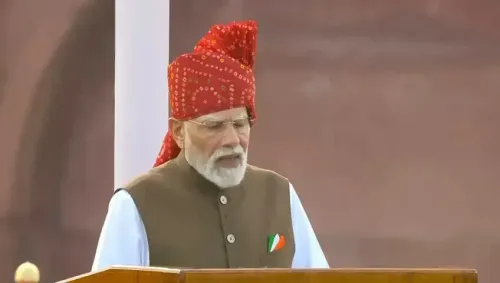
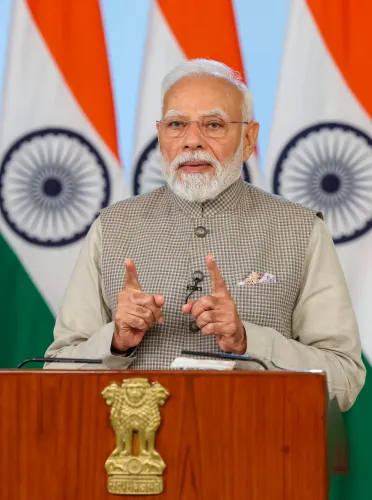
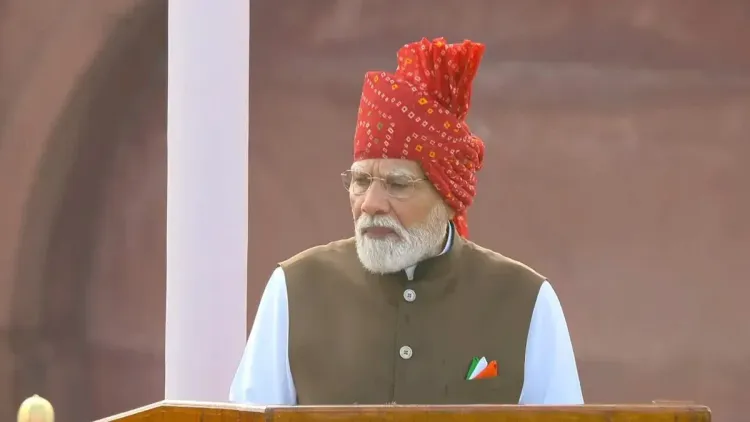
Nadda shared PM Narendra Modi 's Independence Day statement calling for one or two Indian pharma firms to rank among the world's top five.
India is the world's largest generic medicine supplier but currently has no company in the global pharma top five by revenue or market capitalisation.
The Production Linked Incentive (PLI) scheme , approved in 2020 , was designed to boost domestic pharma manufacturing and reduce API import dependence.
Modi's statement signals a policy ambition shift — from volume generics to innovation-led global competitiveness — under the Atmanirbhar Bharat framework.
Revised PLI guidelines and R&D incentive structures in upcoming Union Budgets will be the key metrics to watch.
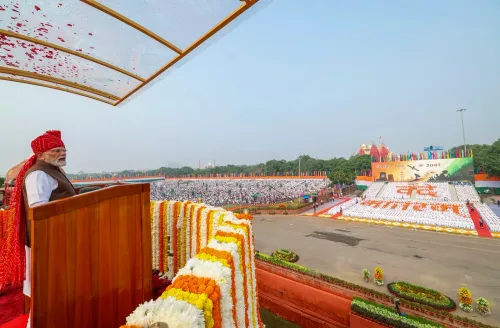
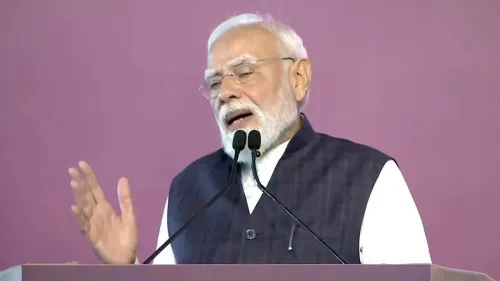
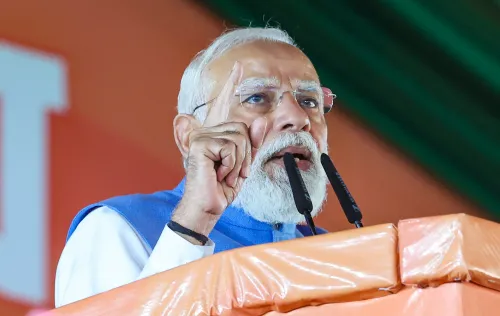
On Independence Day, 15 August 2026, Union Health Minister J. P. Nadda amplified a pointed challenge from Prime Minister Narendra Modi — that India, the world's pharmacy to the poor, must now claim a seat among the five most powerful pharmaceutical companies on the planet.
Quoting the Prime Minister directly, Nadda posted: 'फार्मा की दिशा में हमने बहुत काम किया है। लेकिन समय की मांग है कि दुनिया की पांच बड़ी फार्मा कंपनियों में भारत की भी एक-दो फार्मा कंपनियों का नाम गूंजना चाहिए।' — 'We have done a great deal of work in the direction of pharma. But the demand of the times is that one or two Indian pharma companies must resonate among the world's five biggest. India must carve out its place there.'
The words land with weight on a day built for exactly this kind of national reckoning.
From Generic Giant to Global Innovator
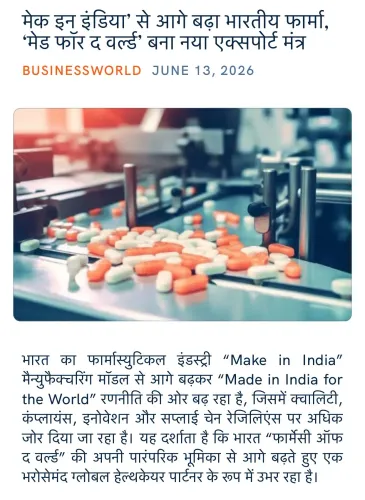
India is already the world's largest supplier of generic medicines, supplying affordable drugs and vaccines to markets across Africa, Southeast Asia, and beyond. Volume and affordability have been India's pharma identity for decades. What Modi's Independence Day call signals is a deliberate pivot — from being the world's low-cost manufacturer to becoming a globally ranked originator of innovation and brand value. The gap is real. The world's top five pharmaceutical companies by revenue and market capitalisation are all headquartered in the United States or Europe. No Indian firm currently comes close to that tier.PLI Scheme and the Atmanirbhar Pharma Push
The policy scaffolding for this ambition has been building since 2020, when the Centre approved the Production Linked Incentive (PLI) scheme for pharmaceuticals. Designed to attract fresh investment, reduce dependence on imported Active Pharmaceutical Ingredients (APIs), and push domestic firms up the value chain, the PLI framework was a first step toward manufacturing self-reliance. But Modi's Independence Day framing suggests the government now considers that first step complete — and is looking at the next, harder climb: global competitive ranking. This aspiration sits squarely within the Atmanirbhar Bharat framework, which targets globally competitive Indian industry across strategic sectors, not just domestic sufficiency.What the Ambition Demands Next
For Indian pharma companies to echo in the same breath as the world's top five, the sector will need a step-change in research and development investment, patent-backed innovation pipelines, and international brand-building — areas where India has historically lagged behind its generic-volume strengths. Eyes will now turn to whether revised PLI guidelines, the next Union Budget, or dedicated R&D incentive structures follow this political signal with hard rupees and policy teeth. The Prime Minister chose Independence Day to set the bar. The sector — and the government's own policy machinery — will be measured against it.Point of View
The government is signalling that India's pharma story must now be told in terms of global innovation rank, not just export volume. For Nadda, amplifying this quote on the same day ties the Health Ministry's portfolio directly to an industrial-competitiveness narrative that extends well beyond healthcare. The real test will be whether R&D tax incentives and patent-regime reforms follow the rhetoric — without those, the top-five aspiration remains a vision statement, not a roadmap.
NationPress
29 Sept 2026
Frequently Asked Questions
What did PM Modi say about Indian pharma companies on Independence Day 2026?
PM Modi called for one or two Indian pharmaceutical companies to rank among the five biggest in the world, stating that the demand of the times requires India to carve out its place in global pharma leadership.
Is any Indian pharma company currently in the global top five?
No. As of the research available, no Indian pharmaceutical company ranks among the world's top five by revenue or market capitalisation, which are dominated by US and European firms.
What is the PLI scheme for pharmaceuticals?
The Production Linked Incentive (PLI) scheme for pharmaceuticals was approved by the Indian government in 2020 to attract investment, boost domestic manufacturing, and reduce dependence on imported Active Pharmaceutical Ingredients (APIs).
What is Atmanirbhar Bharat and how does it relate to pharma?
Atmanirbhar Bharat is the government's self-reliance framework targeting globally competitive Indian industries across strategic sectors. The pharma ambition to reach the global top five is a direct extension of this policy vision.
What policy steps could help Indian pharma reach the global top five?
Analysts point to stronger R&D incentives, revised PLI guidelines targeting innovation pipelines, patent-regime reforms, and increased public and private investment in drug discovery as the critical next steps.