Chennai Faces Cooking Gas Crisis: Restaurants Turn to Firewood and Electric Stoves
Synopsis
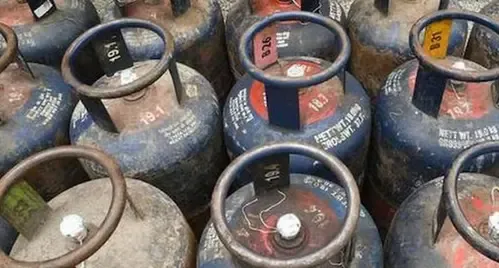
Chennai is experiencing a significant shortage of cooking gas cylinders, affecting restaurants and eateries. Many establishments are resorting to firewood and electric stoves, leading to menu reductions and increased prices for firewood. This crisis is also impacting educational institutions, prompting some to switch to online classes.
Key Takeaways
Cooking gas shortage disrupting daily life in Chennai.
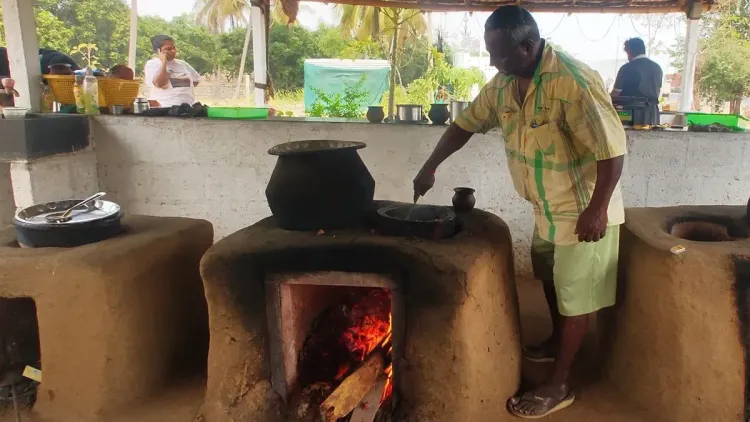
Restaurants switching to firewood and electric stoves .
Significant menu reductions at many eateries.
Educational institutions facing challenges with hostel closures.
Surge in firewood prices due to increased demand.
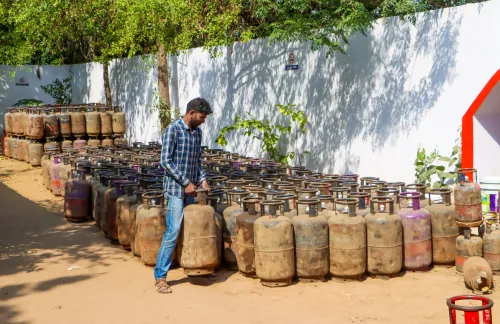
Chennai, March 12 (NationPress) The escalating shortage of cooking gas cylinders is starting to disrupt everyday activities in Chennai, compelling numerous restaurants, bakeries, and tea shops to either reduce their operations or adopt alternative cooking methods like firewood and electric stoves.
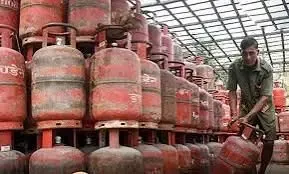
This issue extends beyond just commercial LPG cylinders; the supply for domestic cooking gas is also affected. Industry insiders attribute the shortage to interruptions in fuel supply chains caused by the ongoing conflict in West Asia.
India heavily relies on imports of liquefied petroleum gas and refined crude derivatives from countries like Kuwait, Qatar, and Saudi Arabia for LPG production.
With imports currently limited due to the conflict, the availability of cooking gas has sharply declined. The Central government has assured that households will receive an uninterrupted supply of LPG cylinders. However, following this announcement, most gas manufacturing companies have reportedly stopped or significantly reduced the production of commercial cylinders to prioritize home consumption. Consequently, restaurants, bakeries, and tea stalls across Chennai and its suburbs are finding it increasingly difficult to procure commercial LPG cylinders.
Many establishments have been operating their kitchens using the limited stock of available cylinders over the last two days. Several small and medium-sized eateries that have run out of supplies have temporarily ceased operations. Those still open have significantly reduced their menus.
A typical lunch service that usually features items like sambar, curry gravies, buttermilk gravy, rasam, poriyal, aviyal, and papad is now limited to just one gravy and a single chutney.
Notices informing customers about the limited menu have been displayed outside various restaurants. Some eateries are only preparing simple meals such as tomato rice, tamarind rice, and lemon rice that require less fuel.
A few non-vegetarian restaurants have even stopped serving omelettes, while tea shops have halted the preparation of snacks like vada and bajji. Several well-known restaurants in areas such as Nungambakkam and Egmore have started cooking with charcoal, firewood, or electric stoves.
This transition has caused a sudden increase in demand for firewood, resulting in rising prices. Restaurant owners reported that the cost of a ton of firewood has surged by Rs 500 to Rs 1,000 in recent days. The shortage has also impacted educational institutions. Hostels linked to colleges and universities in the city are experiencing a severe lack of gas cylinders. Some have opted to temporarily close hostels and continue classes online. A private medical college in Chennai has declared that regular classes will be suspended from March 12 to March 25 due to the gas shortage, with educational activities continuing in an online format.
According to a circular issued by the college administration, students living in hostels have been instructed to vacate their rooms, while faculty and staff will continue to report to the campus as usual. Restaurant owners caution that if commercial gas supplies are not restored soon, many establishments may be compelled to shut down completely.
Point of View
It is clear that the cooking gas shortage in Chennai is creating significant challenges for local businesses and educational institutions. The reliance on imports from conflict-affected regions has highlighted vulnerabilities in supply chains, requiring immediate attention from authorities to mitigate the impact on daily life.
NationPress
30 Sept 2026
Frequently Asked Questions
What is causing the cooking gas shortage in Chennai?
The shortage is primarily caused by disruptions in fuel supply chains due to the ongoing conflict in West Asia, affecting imports of liquefied petroleum gas and refined crude derivatives.
How are restaurants coping with the gas shortage?
Many restaurants are switching to alternative cooking methods such as firewood and electric stoves, while some have significantly reduced their menus.
What is the impact of the gas shortage on educational institutions?
Educational institutions are facing a lack of gas cylinders, leading some to temporarily close hostels and conduct classes online.
Have gas prices increased due to the shortage?
Yes, the price of firewood has surged by Rs 500 to Rs 1,000 due to increased demand as restaurants seek alternatives.
Will the cooking gas supply be restored soon?
The Central government has assured an uninterrupted supply for households, but the commercial supply remains uncertain, leading to potential closures of many restaurants.