Did Delhi CM sign MoU with RBI for loans and borrowings?
Synopsis
In a groundbreaking move, Delhi's Chief Minister Rekha Gupta has signed an MoU with the RBI, allowing the Central Bank to serve as the financial agent for infrastructural projects. This agreement marks a significant shift in Delhi's financial governance, enabling market borrowings and optimizing public fund management.
Key Takeaways
MoU signed between Delhi CM and RBI to enhance financial governance.
RBI to act as the financial agent for the Delhi government.
Automatic investment of surplus funds to generate interest income.
Access to State Development Loans at competitive interest rates of approximately 7%.
Improved cash management and fiscal discipline for the public.
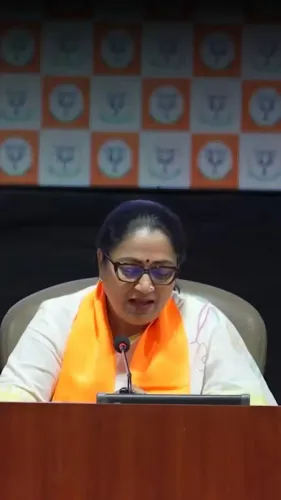
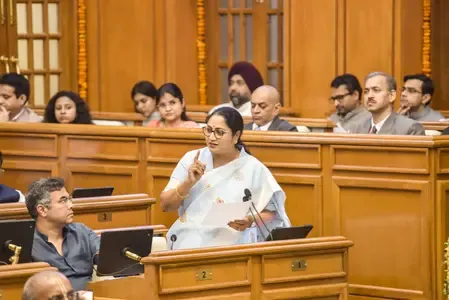
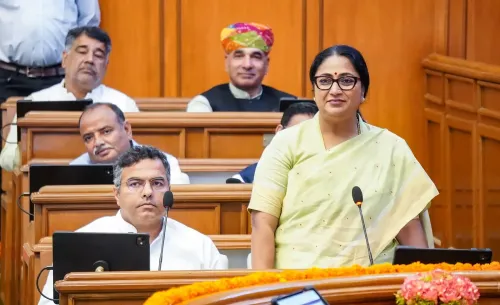
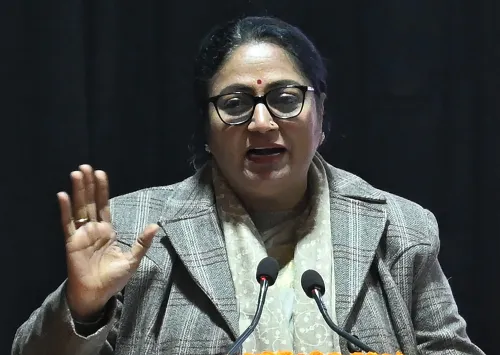
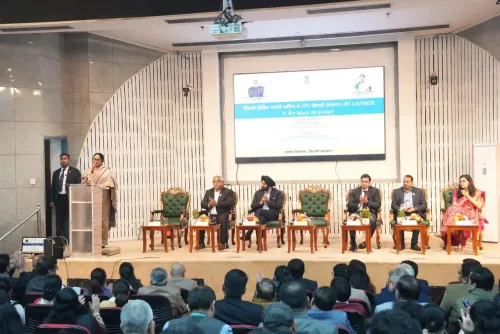
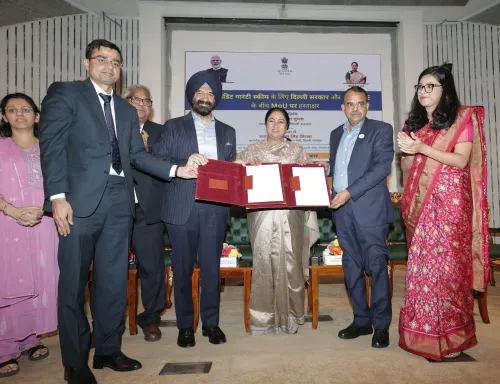
New Delhi, Jan 5 (NationPress) Chief Minister Rekha Gupta officially entered into a Memorandum of Understanding (MoU) with the Reserve Bank of India on Monday. This agreement empowers the Central Bank to act as the banker, debt manager, and financial agent for the government of the NCT of Delhi, thereby streamlining market borrowings via State Development Loans for infrastructure initiatives.
The MoU grants the Reserve Bank of India the authority to function as the banker, debt manager, and financial agent for the government of the NCT of Delhi, promoting market borrowings through State Development Loans.
The Chief Minister expressed her appreciation to Prime Minister Narendra Modi for his visionary guidance, which has enabled Delhi to establish a transparent and independent banking framework aligned with national fiscal standards.
As part of this MoU, the RBI will assist the Delhi government with automatic investment of surplus cash, effective cash management, and access to low-cost liquidity options, all within the guidelines set by the Government of India and the RBI Act.
The signing occurred during a meeting at the Delhi Secretariat, led by the Chief Minister and attended by Bipul Pathak, Additional Chief Secretary (Finance) of the Delhi government. Senior officials from both the Delhi Government and the Reserve Bank of India, including Delhi Chief Secretary Rajeev Verma, were present.
Chief Minister Gupta, who also oversees the Finance portfolio in the Delhi Government, characterized the MoU as a pivotal reform and a significant change that prior administrations overlooked.
“This agreement signifies a historic correction in Delhi’s financial governance. For years, despite being the nation’s capital, Delhi lacked the structured RBI banking and market borrowing benefits. Previous governments failed to demonstrate the intent or vision to adopt globally recognized norms of fiscal responsibility. That changes decisively today,” stated the Chief Minister.
She highlighted that successive AAP governments did not invest surplus public funds or utilize cost-effective borrowing methods. Idle cash resulted in lost interest income, while borrowings were secured at high interest rates from alternative sources, imposing an unnecessary strain on public finances and citizens.
“In contrast, this administration prioritizes fiscal discipline, transparency, and long-term sustainability. Every rupee of public money must now serve the people of Delhi,” she emphasized.
Noteworthy aspects of the MoU include the automatic investment of surplus funds, where excess cash balances with the Delhi Government will be automatically invested daily through RBI mechanisms, generating interest income and preventing losses from idle funds.
Additionally, Delhi will gain access to Ways and Means Advances and Special Drawing Facilities from the RBI, ensuring effective management of temporary cash flow discrepancies without resorting to costly or emergency borrowing.
The MoU will also bolster market borrowings. For the first time, Delhi will secure funds from the open market at competitive interest rates of about 7 percent through State Development Loans, replacing previous high-cost borrowings that ranged between 12 to 13 percent from other sources.
With this MoU, Delhi now aligns with other States and Union Territories possessing legislatures, benefiting from RBI’s expert banking, cash management, and debt management systems.
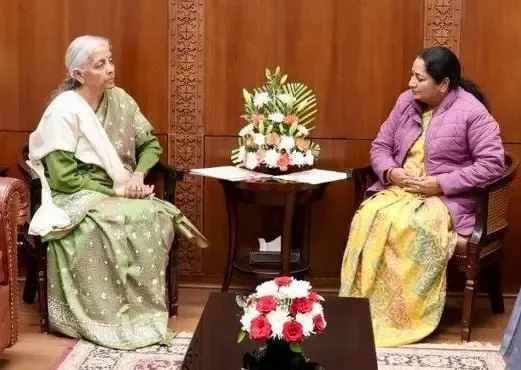
The Chief Minister noted that this substantial reform results from ongoing discussions with the Union Government and follows her recent engagement with Union Finance Minister Nirmala Sitharaman in December 2025, where critical issues regarding fiscal autonomy and the modernization of Delhi’s financial structure were addressed.
According to a Government of India notification dated January 2, 2026, effective January 9, 2026, the Public Accounts of the Government of NCT of Delhi will be separated from the Public Accounts of the Government of India, granting Delhi an independent banking and borrowing framework for the first time.
Point of View
The signing of the MoU between Delhi's Chief Minister and the RBI represents a significant step towards improving fiscal governance. It reflects a commitment to transparency and efficient management of public funds, aligning with national fiscal norms and providing Delhi with a robust framework for borrowing and investment.
NationPress
25 Sept 2026
Frequently Asked Questions
What is the significance of the MoU signed between Delhi and RBI?
The MoU allows the RBI to serve as a financial agent for the Delhi government, facilitating easier access to market borrowings, enhancing cash management, and optimizing the investment of surplus funds.
How will this MoU impact Delhi's infrastructure projects?
With access to State Development Loans at competitive interest rates, the MoU will enable Delhi to fund infrastructure projects more effectively and efficiently.
What financial improvements does this MoU bring?
It introduces automatic investment of surplus funds, access to low-cost liquidity options, and a structured borrowing framework, ensuring fiscal discipline and sustainability.
When will the MoU take effect?
The MoU will be effective from January 9, 2026, following a Government of India notification.
How does this MoU compare to previous financial practices in Delhi?
Previous governments failed to utilize structured RBI banking for market borrowings. This MoU marks a historic change, allowing Delhi to adopt globally accepted fiscal norms.