FAA to audit India's aviation safety oversight from November 16

Synopsis
The FAA's five-day audit of India's aviation safety framework — starting 16 November — is more than a routine review. With the Air India Ahmedabad crash killing 260 people last year and multiple helicopter incidents this year, the DGCA faces its most consequential IASA examination yet. Category 1 status, and the future of India's direct US air links, hangs in the balance.
Key Takeaways
The FAA begins a five-day IASA review of India's aviation safety framework on 16 November 2026 , concluding on 20 November .
The audit assesses the DGCA 's compliance with ICAO standards and determines whether India retains its Category 1 rating.
Category 1 status allows Indian carriers to fly to the US and enter codeshare deals with American airlines; Air India is currently the only Indian airline on US routes.
India last underwent an IASA review starting October 2021 ; the FAA confirmed retention of Category 1 in April 2023 .
The audit follows an Air India Boeing 787-8 crash near Ahmedabad that killed 260 people , and multiple helicopter incidents in 2026.
The US Federal Aviation Administration (FAA) will begin a five-day review of India's aviation safety oversight framework on 16 November 2026, with the outcome expected to determine whether India retains its coveted Category 1 safety rating under the FAA's International Aviation Safety Assessment (IASA) programme. The assessment, running through 20 November, arrives as India's aviation sector is in the midst of one of its fastest-ever expansions — placing heightened pressure on regulators to demonstrate compliance with global standards.
What the FAA Will Examine
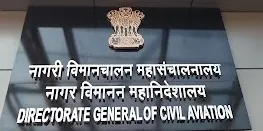
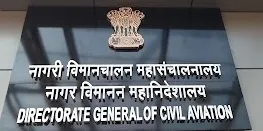
The IASA review will evaluate the Directorate General of Civil Aviation (DGCA) — India's civil aviation regulator — on its capacity to enforce safety regulations and uphold standards set by the International Civil Aviation Organization (ICAO). Specifically, the FAA will assess whether the DGCA has the institutional framework and regulatory capability required to oversee Indian carriers that operate international routes or seek codeshare arrangements with US airlines.
Under the IASA framework, a country's rating directly governs what its airlines can do in US airspace. Category 1 — the highest tier — allows carriers to operate flights to the United States and enter into commercial partnerships with American airlines. A downgrade would carry significant operational and commercial consequences for Indian aviation.
India's Category 1 History
India currently holds Category 1 status, signifying that its civil aviation authority meets ICAO oversight standards. The country's most recent IASA review began in October 2021, with FAA officials examining DGCA systems and procedures. Follow-up consultations took place in April 2022, with additional assessments conducted in July and September 2022. In April 2023, the FAA formally confirmed that India had retained its Category 1 rating.
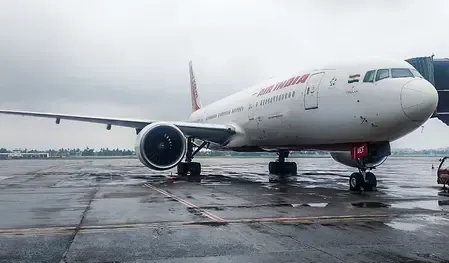
At present, Air India is the only Indian carrier operating direct flights to the United States. The outcome of this week's audit will have an immediate bearing on the carrier's transatlantic operations and any future US route expansion by other Indian airlines.
Backdrop: Heightened Safety Scrutiny
The timing of the audit is significant. The latest evaluation follows a period of intense scrutiny over aviation safety in India. Last year, an Air India Boeing 787-8 operating a service to London Gatwick crashed shortly after takeoff from Ahmedabad, killing 260 people in one of the country's deadliest aviation disasters. Several helicopter accidents and other aviation-related incidents have also been recorded this year, sharpening public and regulatory focus on the DGCA's oversight effectiveness.
This comes amid rapid fleet inductions and route expansions by carriers including IndiGo, Air India, and emerging operators, all of which place additional strain on the regulator's inspection and certification capacity.
What Happens Next
The FAA is expected to share preliminary findings with DGCA officials before the conclusion of the review window on 20 November. A formal determination on India's rating, however, typically follows after the FAA processes its assessment — a timeline that, based on the 2021–2023 cycle, could extend over several months. Aviation industry bodies and Indian carriers will be watching closely, given the commercial implications of any rating change. The DGCA's ability to demonstrate systematic improvements — particularly in the wake of recent accident investigations — will be central to the outcome.
Point of View
And any finding of regulatory gaps could trigger a rating watch even if a formal downgrade is deferred. India's aviation ambitions — dozens of new routes, fleet expansions, and a potential Air India transatlantic push — all rest on a Category 1 outcome. The government would do well to treat this week's review as a prompt for structural reform, not a box-ticking exercise.
NationPress
15 Nov 2026
Frequently Asked Questions
What is the FAA IASA audit of India about?
The FAA's International Aviation Safety Assessment (IASA) review, scheduled from 16 to 20 November 2026, evaluates whether India's civil aviation regulator — the DGCA — meets ICAO oversight standards. The outcome will determine whether India retains its Category 1 safety rating, which is required for Indian carriers to operate flights to the United States.
What is Category 1 status and why does it matter for India?
Category 1 is the highest rating under the FAA's IASA framework, confirming that a country's aviation authority complies with ICAO standards. For India, retaining it is essential: Air India's direct US flights and any future codeshare agreements between Indian and American carriers depend on maintaining this classification.
When did India last undergo an FAA aviation safety review?
India's previous IASA review began in October 2021, with follow-up consultations in April, July, and September 2022. In April 2023, the FAA announced that India had successfully retained its Category 1 rating.
How does the Air India Ahmedabad crash affect this audit?
The crash of an Air India Boeing 787-8 near Ahmedabad — which killed 260 people last year — has intensified scrutiny of the DGCA's safety oversight. Combined with several helicopter incidents in 2026, it has raised questions about whether India's regulatory framework has kept pace with rapid aviation sector growth, making this audit particularly consequential.
Which Indian airlines are affected by the FAA audit outcome?
Air India is the only Indian carrier currently operating direct flights to the United States, making it the most immediately affected. However, the rating also affects any future US route aspirations by other Indian carriers such as IndiGo, as well as potential codeshare arrangements with American airlines.