GAIL Suspends Gas Supply to Yelahanka Power Plant: Implications for Generation
Synopsis
The cessation of gas supply by GAIL to Bengaluru's Yelahanka power plant could impact electricity generation across Karnataka, amid ongoing gas shortages linked to the conflict in West Asia. This disruption highlights the vulnerabilities in the energy sector and the prioritization of natural gas allocation by the Central Government.
Key Takeaways
GAIL has halted gas supply to Yelahanka power plant since March 12.
The plant is crucial to Karnataka's electricity generation .
Natural gas shortage linked to West Asia conflict may affect power production.
The Central Government has prioritized natural gas for domestic consumption .
Power generation in Karnataka is at lowest priority for gas allocation.
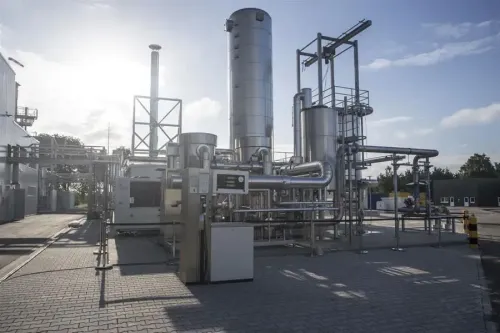
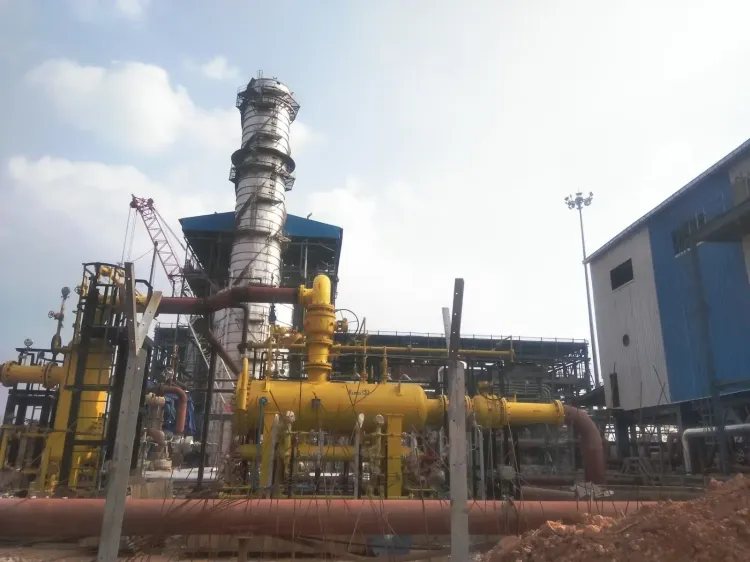
Bengaluru, March 12 (NationPress) The Gas Authority of India Limited (GAIL) has entirely ceased gas supply to the Yelahanka gas-based power plant in Bengaluru since 6 AM on March 12, as confirmed by officials from the Energy Ministry on Thursday. The Yelahanka plant, which generates 370 Mega Watts, is the only gas-powered facility in the State, and any interruptions in gas supply may significantly impact its electricity generation capabilities.
This gas-based unit, designed primarily to meet the electricity demands of Bengaluru, has been operational continuously since December of the previous year. However, the ongoing natural gas scarcity resulting from the conflict in West Asia poses a potential threat to its power production, according to officials.
Moreover, they indicated that the reduction in natural gas supply could disrupt power generation in Karnataka, following the Central government's prioritization of other sectors amid nationwide shortages stemming from the Israel-Iran conflict in West Asia.
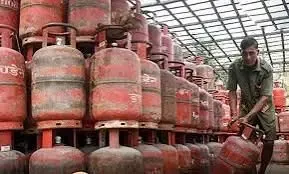
In response to the LPG supply disruptions across the nation due to the West Asia conflict, the Centre issued a gazette notification on Tuesday that prioritizes natural gas allocation, with domestic consumption at the forefront. Sectors such as transport and fertilization have been assigned a higher priority level, while power generation has been relegated to the lowest priority.
The State government is striving to ensure a stable electricity supply during peak demand by utilizing all available energy sources, officials stated.
Karnataka's daily electricity requirement is currently approximately 355 million units, which is being fulfilled through a combination of thermal and hydel power plants, solar and wind energy, along with electricity sourced from the Central grid. The State also meets part of its demand through power exchange arrangements with Punjab, Uttar Pradesh, and Haryana. However, further reductions in gas supply to the Yelahanka plant might lead to minor power supply disruptions, officials warned.
To tackle the current LPG shortage, the Centre has invoked its powers under the Natural Gas (Supply Regulation) Order, 2026, issued under the Essential Commodities Act of 1955, to determine priority sectors for natural gas allocation.
Domestic Piped Natural Gas (PNG), LPG production, and CNG for transport have been designated as the top priority, requiring 100% of their average gas consumption from the past six months.
Fertilizer plants are in the second priority category, set to receive around 70% of their average gas consumption during the same timeframe.
Industrial consumers, including tea manufacturers, are classified under the third priority category, while City Gas Distribution companies supplying gas to industrial and commercial users fall into the fourth priority category. These sectors will receive 80% of their average gas usage from the past six months.
As power generation has been assigned the lowest priority, gas supply to this sector is expected to remain constrained until the natural gas shortage resolves.
Point of View
The halt in gas supply to the Yelahanka power plant underscores the intricate relationship between regional energy needs and global geopolitical events. The prioritization of natural gas for domestic use rather than power generation highlights the critical challenges faced by the energy sector during international crises. Stakeholders must navigate these complexities to ensure reliable energy supply amidst ongoing global tensions.
NationPress
26 Sept 2026
Frequently Asked Questions
What led to the halt of gas supply to the Yelahanka power plant?
The halt in gas supply is attributed to a natural gas shortage caused by the conflict in West Asia, which has prompted the Central Government to prioritize allocations for domestic consumption.
How does this impact electricity generation in Karnataka?
The cessation of gas supply could lead to significant disruptions in power generation at the Yelahanka plant, which is the sole gas-based facility in the State.
What measures is the government taking to address the energy demand?
To meet electricity demand, the State government is utilizing all available energy sources, including thermal, hydel, solar, and wind power, as well as power from the Central grid.
What are the priority sectors for natural gas allocation?
Priority sectors include domestic Piped Natural Gas, LPG production, and CNG for transport, with power generation placed at the lowest priority.
Will the gas supply situation improve soon?
The gas supply situation is likely to remain restricted until the natural gas shortage caused by geopolitical tensions eases.