Gold ETF assets surge 164% to ₹1.91 lakh crore in August 2026: Emkay report
Synopsis
India's gold ETF market has more than doubled in a year — assets hit ₹1.91 lakh crore in August 2026, up 164%, as younger investors shift from jewellery to financial instruments and industrial metals find new structural demand in electrification and renewables. The numbers signal a fundamental reset in how Indians allocate to commodities.
Key Takeaways
Gold ETF assets in India reached ₹1.91 lakh crore in August 2026 , a 164% rise from ₹72,500 crore a year earlier.
Silver ETFs held approximately ₹85,000–86,000 crore as of August 2026 .
Gold recorded 11 new highs in the first two months of 2026 , driving fresh inflows.
Multi-asset allocation funds crossed ₹2.07 lakh crore , up nearly 57% year-on-year, with 60 consecutive months of positive net flows.
Jewellery's share of gold consumption is declining as younger Indians shift spending preferences toward experiences and financial assets.
Electrification and renewable energy build-out are creating new structural demand for copper , aluminium , and zinc .
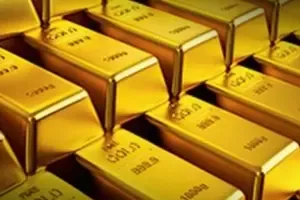
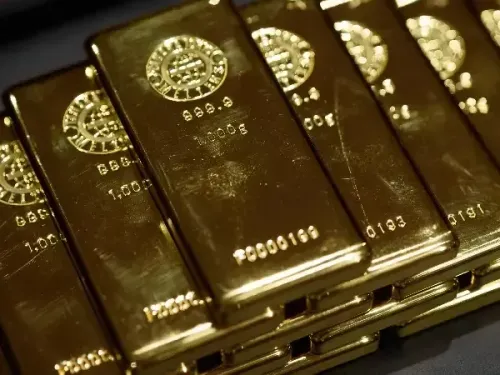
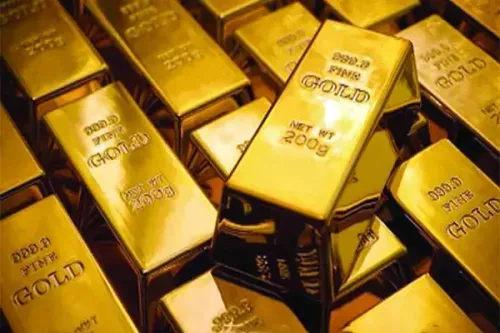
Gold exchange-traded fund (ETF) assets in India soared to ₹1.91 lakh crore in August 2026, marking a 164% jump from approximately ₹72,500 crore a year earlier, according to a report released on Thursday, 9 October 2026 by Emkay Global Financial Services. The surge reflects a sweeping shift in how Indian investors and institutions view commodities — no longer merely as a hedge, but as core tools for diversification, liquidity, and risk management.
Gold and Silver ETFs: Scale of the Boom
The Emkay Global Financial Services report underscores the sheer pace of financialisation in India's commodity markets. Silver ETFs have also gained significant ground, holding approximately ₹85,000–86,000 crore in assets as of August 2026. Notably, gold began 2026 on a particularly strong note, recording 11 new price highs in just the first two months of the year — a run that helped catalyse fresh inflows into gold-backed instruments.
Shifting Demand Patterns for Gold
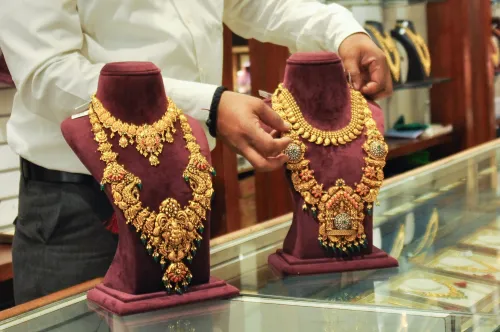
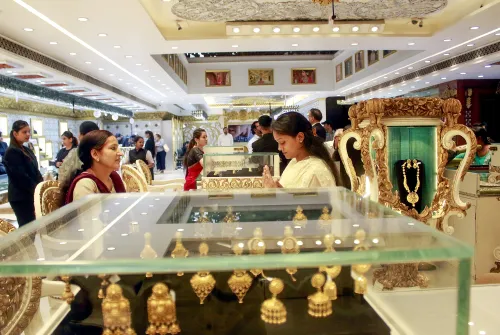
Sheela Kulkarni, Head of Market Development, Investments and Institutional Investor Relationships at the World Gold Council in India, highlighted a structural change in how gold is consumed domestically. Jewellery, historically the dominant driver of Indian gold demand, is accounting for a smaller share as younger consumers increasingly opt for lighter pieces and redirect discretionary spending toward experiences and other products. This demographic shift is, in effect, channelling gold appetite toward financial instruments such as ETFs rather than physical metal.
Industrial Metals: New Structural Demand Drivers
The report goes beyond precious metals, pointing to rising structural demand for copper, aluminium, and zinc. These industrial metals have traditionally served as barometers of economic activity, with consumption closely tied to construction, manufacturing, and infrastructure investment. However, accelerating electrification, the build-out of renewable energy infrastructure, transmission networks, and technology-led projects are now layering new and durable demand onto these commodities — demand that is less cyclical and more secular in nature. This is arguably the more transformative finding in the report for long-term investors.
Multi-Asset Funds and the Broader Trend
Multi-asset allocation funds in India held more than ₹2.07 lakh crore as of August 2026, up nearly 57% year-on-year, with the category logging positive net flows for 60 consecutive months. While these are not commodity-specific vehicles, the report notes they are increasingly deployed to navigate varied economic environments — an indirect signal that commodity exposure is being woven into mainstream portfolio construction.
What the Industry Expects Next
Rahul Rege, CEO – Broking at Emkay Global Financial Services, argued that the maturation of commodity markets demands a change in role for broking firms. 'As commodity markets become deeper and more institutional, the role of broking firms must evolve from execution to becoming multi-asset advisors and risk-management partners,' he said. The comment points to a market at an inflection point — one where retail participation is rising and institutional frameworks are still catching up. How quickly the advisory ecosystem adapts will shape how efficiently capital flows into commodity instruments in the years ahead.
Point of View
However, may be the secular demand story for industrial metals: electrification and renewable infrastructure are creating commodity demand that won't reverse with the business cycle. The risk mainstream coverage underweights is execution — India's commodity derivatives market is deepening rapidly, but retail investor understanding of roll costs, tracking error, and liquidity in silver and base-metal ETFs lags far behind enthusiasm. The industry's pivot from execution to advisory, as Rege frames it, is necessary but nowhere near complete.
NationPress
9 Oct 2026
Frequently Asked Questions
How much have gold ETF assets grown in India in 2026?
Gold ETF assets in India rose to ₹1.91 lakh crore in August 2026, a 164% increase from approximately ₹72,500 crore a year earlier, according to a report by Emkay Global Financial Services. The growth reflects both rising gold prices and accelerating retail and institutional inflows into gold-backed financial instruments.
What is driving the surge in India's gold ETF market?
Multiple factors are at play: gold hit 11 new price highs in the first two months of 2026, younger consumers are shifting away from jewellery toward financial instruments, and institutions are increasingly using commodities for diversification and risk management. The broader financialisation of India's commodity markets is also a key driver.
How large is India's silver ETF market?
Silver ETFs held approximately ₹85,000–86,000 crore in assets as of August 2026, per the Emkay Global report. Silver has followed gold in attracting financial investors seeking alternatives to equities and fixed income.
Why are industrial metals like copper and aluminium gaining investor attention?
Copper, aluminium, and zinc are seeing new structural demand from electrification, renewable energy infrastructure, and technology-led construction — on top of their traditional cyclical demand from manufacturing and construction. This secular demand shift is making them increasingly relevant for long-term portfolio allocation, not just macro trading.
What are multi-asset allocation funds, and how do they relate to commodities?
Multi-asset allocation funds invest across equities, debt, and other asset classes to navigate different economic environments. In India, they held over ₹2.07 lakh crore in August 2026, up 57% year-on-year, with 60 consecutive months of positive flows. While not commodity funds, their growing scale reflects a broader shift toward diversified, multi-asset investing — a trend that indirectly supports commodity ETF growth.