Piyush Goyal Blasts Congress Over Lopsided India–South Korea FTA Deal

Synopsis
Commerce Minister Piyush Goyal has exposed how the Congress-era India–South Korea FTA caused India's imports to surge 103.7%, widening the trade deficit. With 11 renegotiation rounds done, a Rs 35,000 crore JSW–POSCO steel JV announced, and talks to conclude by 2027, India is finally rewriting the rules of this lopsided deal.
Key Takeaways
Commerce Minister Piyush Goyal called the India–South Korea FTA , signed in 2009 and enforced in 2010 , a poorly negotiated, imbalanced deal that favoured South Korea.
India's imports from South Korea rose by 103.7% since the FTA, against overall bilateral trade growth of 92.7% , widening India's trade deficit.
Eleven rounds of renegotiation under IKCEPA have been completed, with an Early Harvest Package agreed upon; final deal expected by end of 2026 or mid-2027 .
JSW Steel and South Korea's POSCO announced a 50:50 joint venture for a 6 MTPA greenfield steel plant in Odisha worth Rs 35,000 crore .
Multiple MoUs signed between India and South Korea covering clean energy, MSMEs, supply chains, and industrial co-production .
The Modi government's revised trade approach focuses on reciprocity, domestic manufacturing, and non-tariff barrier removal — a sharp contrast to the UPA-era FTA framework.
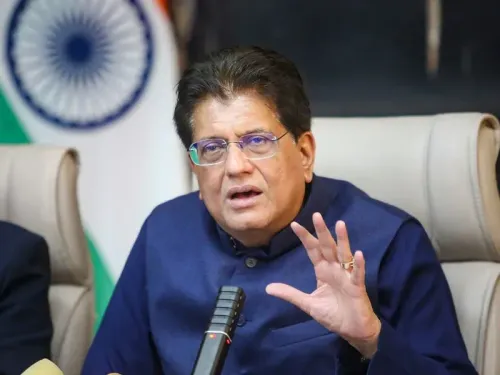
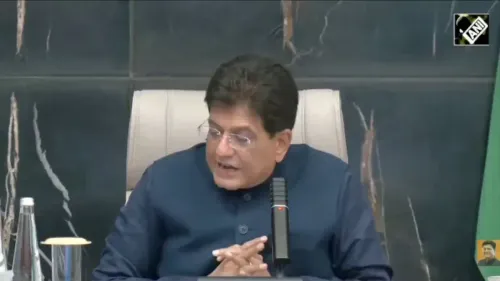
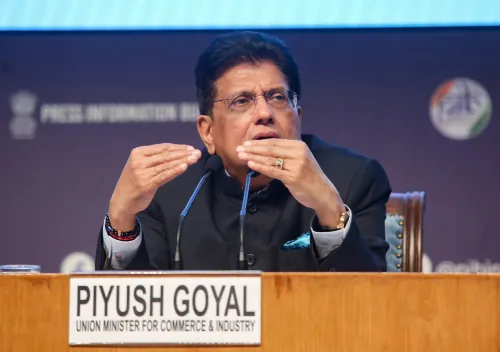
New Delhi, April 23: Union Commerce and Industry Minister Piyush Goyal on Thursday launched a sharp attack on the Congress-led UPA II government, calling the India–South Korea Free Trade Agreement (FTA) — signed in 2009 and operationalised in 2010 — a poorly negotiated, imbalanced deal that systematically tilted trade outcomes against India. Goyal made the remarks via a detailed post on social media platform X, citing specific trade data to back his criticism.
Trade Deficit Widened Despite Rising Bilateral Commerce
According to Minister Goyal, bilateral merchandise trade between India and South Korea has grown by 92.7 per cent since the FTA came into force. However, the growth has been deeply asymmetric — India's imports from South Korea surged by 103.7 per cent, far outpacing India's export growth. The result: while total trade volumes expanded, India's trade deficit with South Korea widened considerably, raising serious questions about the original deal's architecture.
This data-backed critique is significant. Critics of the original UPA-era FTA have long argued that India entered several trade agreements during that period without adequate safeguards for domestic manufacturing — a pattern that has since drawn scrutiny from economists, industry bodies, and trade policy analysts alike.
Modi Government Moved to Renegotiate in 2015
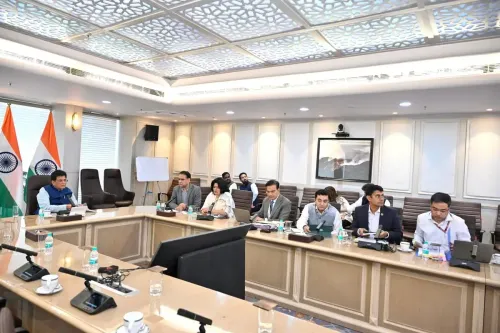
Goyal noted that as early as 2015, Prime Minister Narendra Modi and the President of the Republic of Korea agreed to begin renegotiating the India–Korea Comprehensive Economic Partnership Agreement (IKCEPA), aiming for both qualitative and quantitative improvements in bilateral trade. A formal roadmap was drawn up, and ministerial-level joint committee meetings were convened to launch the renegotiation process.
Since then, eleven rounds of renegotiation talks have been completed, and an Early Harvest Package has been agreed upon. The two governments have now decided to push further — prioritising a more reciprocal and mutually beneficial framework, with a strong emphasis on key sectors of shared interest, addressing non-tariff barriers, and tightening rules of origin to prevent trade deflection.
The renegotiation is expected to conclude by end of 2026, or at the latest by mid-2027.
Localisation Push Begins to Yield Results
Beyond tariff restructuring, Goyal highlighted that sustained pressure on Korean companies operating in India to increase localisation and reduce import dependency is beginning to show tangible results. The minister said India is now witnessing genuine indigenisation and improved reciprocity from Korean industrial players — a shift that aligns with the broader Make in India and Atmanirbhar Bharat policy push.
This is a meaningful pivot. Earlier, Korean firms largely operated as wholly owned subsidiaries in India, repatriating profits while importing components. The new approach encourages joint ventures and technology transfer, deepening India's industrial base.
JSW–POSCO Joint Venture: A New Investment Template
A landmark announcement was made during the recent state visit of the President of the Republic of Korea to India: JSW Steel and South Korea's POSCO have formed a 50:50 joint venture to set up a 6 MTPA greenfield integrated steel plant in Odisha, with an estimated investment of Rs 35,000 crore. Goyal specifically underscored that this joint venture model marks a departure from earlier Korean investments, which were structured as wholly owned subsidiaries — a structure that offered fewer benefits to India's economy.
Multiple Memoranda of Understanding (MoUs) have also been signed between the two nations, targeting bilateral cooperation across trade, industry, strategic resources, clean energy, MSME development, supply chain resilience, and industrial co-production.
Political Context and Broader Trade Policy Implications
Goyal's broadside against the India–South Korea FTA is part of a larger political and policy narrative: the BJP-led NDA government has consistently positioned itself as correcting the trade policy missteps of the Congress era. Notably, India has also been renegotiating its FTA with ASEAN — another agreement signed during the UPA period — citing similar concerns about import surges and inadequate protections for domestic industry.
This comes amid India's intensified focus on bilateral trade agreements, with active negotiations underway with the UK, EU, and GCC. The government's stated approach — ensuring fair trade, balanced outcomes, and protection of domestic manufacturing — signals a more assertive, interest-first posture in all future trade negotiations.
With renegotiation talks targeted for completion by mid-2027 and the JSW–POSCO steel plant poised to reshape industrial collaboration, the India–South Korea economic relationship is entering a structurally different phase — one that New Delhi hopes will finally tip the scales in India's favour.
Point of View
And the import surge numbers are damning. What's notable is that the Modi government's response has been methodical rather than merely rhetorical: 11 renegotiation rounds, a new JV investment template, and a 2027 deadline suggest genuine course correction. The real test, however, will be whether the renegotiated CEPA delivers measurable export gains for India — or merely rebrands the same imbalance.
NationPress
19 Sept 2026
Frequently Asked Questions
Why is Piyush Goyal criticising the India–South Korea FTA?
Minister Piyush Goyal criticised the India–South Korea FTA because it led to India's imports from South Korea rising by 103.7%, widening the trade deficit significantly since the deal came into force in 2010. He called it a poorly negotiated and imbalanced agreement signed during the Congress-led UPA II government.
What is the current status of India–South Korea CEPA renegotiation?
India and South Korea have completed eleven rounds of renegotiation talks under the India–Korea Comprehensive Economic Partnership Agreement (IKCEPA) and agreed on an Early Harvest Package. The full renegotiation is expected to conclude by end of 2026 or mid-2027 at the latest.
What is the JSW–POSCO joint venture announced during the Korean President's India visit?
JSW Steel and South Korea's POSCO have formed a 50:50 joint venture to build a 6 MTPA greenfield integrated steel plant in Odisha, with an estimated investment of Rs 35,000 crore. This marks a shift from earlier Korean investments that were structured as wholly owned subsidiaries.
How has the India–South Korea trade relationship changed since the 2010 FTA?
Since the FTA came into effect in 2010, bilateral merchandise trade has grown by 92.7%, but India's imports surged 103.7%, creating a widening trade deficit. The asymmetric growth prompted India to push for renegotiation starting in 2015 under PM Modi.
What sectors are covered in the new India–South Korea MoUs?
The recently signed MoUs between India and South Korea cover trade, industry, strategic resources, clean energy, MSME development, supply chain resilience, and industrial co-production. They aim to build a more balanced and reciprocal economic partnership between the two nations.