Indian Healthcare Sector Forecasts Modest Revenue Growth Amid Margin Pressures

Synopsis
The Indian healthcare industry is set to witness a modest revenue growth in Q4 FY26, according to recent reports. However, challenges such as declining net earnings and rising costs due to geopolitical tensions could impact profitability.
Key Takeaways
Revenue Growth : Expected high single-digit growth in Q4 FY26.
EBITDA Margins : Anticipated corrections impacting profitability.
Net Earnings : Projected 14% decline, largely due to gRevlimid.
Regulatory Oversight : Increased scrutiny on weight-loss and diabetes therapies.
Geopolitical Impact : Rising costs from US–Iran conflict could affect margins.
New Delhi, April 15 (NationPress) Indian healthcare firms are projected to achieve a high single-digit revenue growth (year-on-year) in the fourth quarter of FY26 (Q4 FY26), according to a report released on Wednesday.
However, the report from Systematix indicates that EBITDA margins are expected to face significant corrections.
The median revenue growth is forecasted at 12 percent, while EBITDA growth is estimated at 3.6 percent, with net earnings anticipated to experience a 14 percent decline, as mentioned in the report.
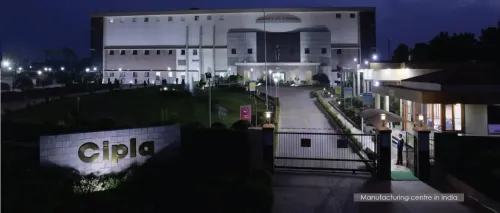
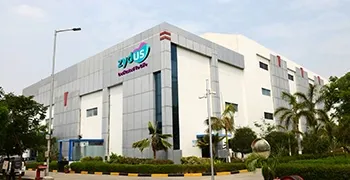
The decline in net earnings is primarily attributed to the loss of exclusivity for gRevlimid, which will notably affect companies like Dr. Reddy’s, Zydus, Cipla, and Sun Pharma.
Additionally, Cipla may encounter challenges due to disruptions in the supply of Lanreotide, according to the report.
Lupin and Zydus may also face margin pressures due to settlements related to mirabegron royalty payments, as noted in the findings.
This quarter is likely to reflect mixed repercussions from the US–Iran conflict, as escalated freight and raw material costs could counterbalance the favorable effects of USD/INR appreciation.
Should the conflict continue, these cost pressures might worsen in future quarters. Active pharmaceutical ingredient (API) manufacturers are likely to transfer the raw material inflation to consumers, potentially leading to price hikes as formulation manufacturers seek to expand their raw material inventories.
Dr. Reddy’s could experience the most pronounced earnings drop due to the substantial contribution of gRevlimid to its profits, which is expected to decline significantly.
Any adjustments in shelf stock related to gRevlimid could further impact the company’s earnings, as mentioned in the report.
Simultaneously, India’s drug regulators are increasing scrutiny of rapidly growing weight-loss and diabetes treatments, particularly GLP-1 receptor agonists, amid heightened demand and the expected arrival of more affordable generic alternatives in the domestic market.
This initiative is spearheaded by the Indian Pharmacopoeia Commission (IPC) under the Ministry of Health, which has been assigned to systematically gather and evaluate adverse event reports associated with these medications.
The goal is to enhance post-marketing surveillance and swiftly address any safety concerns that may arise.
Officials have indicated that this step is part of a broader regulatory effort to keep pace with the swift adoption of these therapies, especially as affordability increases.
Point of View
It is crucial to recognize the potential for growth amidst significant challenges. While revenue growth in Q4 FY26 is promising, the decline in net earnings due to the loss of gRevlimid exclusivity raises important questions about the sustainability of this growth trajectory.
NationPress
28 Sept 2026
Frequently Asked Questions
What is the projected revenue growth for Indian healthcare firms in Q4 FY26?
Indian healthcare firms are expected to achieve a high single-digit revenue growth of around 12 percent year-on-year in Q4 FY26.
Which companies are most affected by the loss of gRevlimid exclusivity?
Companies such as Dr. Reddy’s, Zydus, Cipla, and Sun Pharma are expected to be significantly impacted by the loss of exclusivity for gRevlimid.
How might geopolitical tensions affect the Indian healthcare market?
The ongoing US–Iran conflict could lead to increased freight and raw material costs, affecting profit margins for healthcare companies in India.
What steps are Indian regulators taking regarding diabetes therapies?
Indian drug regulators are enhancing oversight of weight-loss and diabetes therapies, particularly GLP-1 receptor agonists, to address safety concerns amid rising demand.
What does the report suggest about EBITDA margins?
The report indicates that EBITDA margins for healthcare companies in India are likely to face significant corrections in the upcoming quarter.