IDBI Bank Disinvestment to Resume: FM Sitharaman Confirms

Synopsis
Finance Minister Nirmala Sitharaman confirmed on April 24 that the IDBI Bank disinvestment will continue despite bids falling below the reserve price last month. The Rs 72,000 crore deal — involving a combined 60.72% stake by the government and LIC — is set to be relaunched, marking a critical test of India's strategic privatisation agenda.
Key Takeaways
Finance Minister Nirmala Sitharaman confirmed on April 24, 2025 in Pune that the IDBI Bank disinvestment will continue despite earlier setbacks.
The earlier bidding round was called off last month after all bids fell below the government's reserve price , stalling the deal.
The planned stake sale involves 30.48% by the government and 30.24% by LIC , totalling 60.72% worth approximately Rs 72,000 crore .
The disinvestment process has been underway since January 7, 2023 , when DIPAM received multiple expressions of interest from bidders.
Sitharaman ruled out immediate public sector bank consolidation , stating a high-level banking committee will examine the matter.
The Finance Minister highlighted India's domestic consumption and resilient exporters as key pillars sustaining the country's position as one of the world's fastest-growing economies .
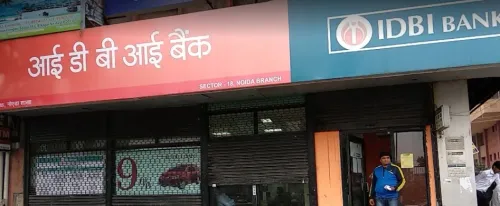
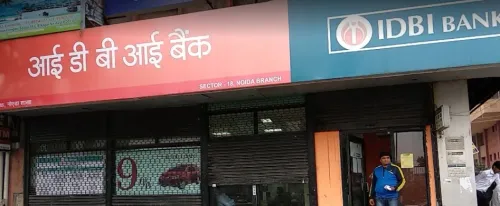
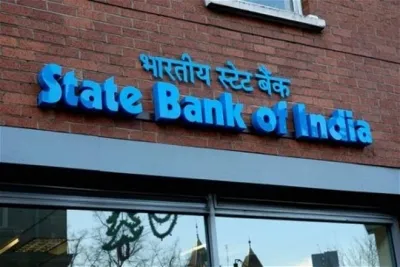
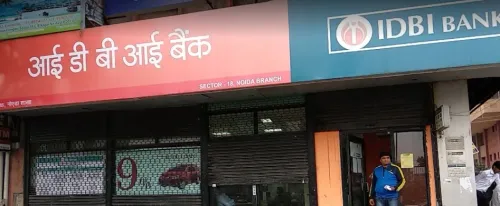
Finance Minister Nirmala Sitharaman on Friday, April 25, confirmed that the Government of India will press ahead with the disinvestment of IDBI Bank, putting to rest speculation that the privatisation drive had been permanently shelved. Sitharaman made the announcement on the sidelines of the inauguration of State Bank of India's Local Head Office, Maharashtra Circle, in Pune. The statement comes weeks after the proposed transaction was called off following bids that came in below the government's reserve price.
Why the Earlier Bidding Round Collapsed
The IDBI Bank privatisation process had been formally initiated on January 7, 2023, when the Department of Investment and Public Asset Management (DIPAM) received multiple expressions of interest from prospective buyers. However, the process hit a significant roadblock last month when all bids received were below the reserve price set by the government, forcing authorities to call off the transaction.
Under the original structure, the Government of India was to divest a 30.48 per cent stake in IDBI Bank, while Life Insurance Corporation of India (LIC) was to offload a 30.24 per cent stake. Together, this would have placed a combined 60.72 per cent stake on the block. Based on prevailing market prices at the time, the total deal was valued at approximately Rs 72,000 crore, making it one of the largest privatisation transactions in India's post-reform history.
What the Finance Minister Said
Sitharaman's remarks were unambiguous: the disinvestment process will continue. The confirmation is significant because it signals that the government has not abandoned its strategic disinvestment agenda despite the setback. Analysts had raised concerns that political headwinds and valuation disagreements could permanently derail the deal.
On the question of public sector bank consolidation, Sitharaman clarified that "there is nothing on the table at present" regarding mergers among state-owned lenders. She added that a high-level banking committee will be constituted to examine the matter in due course.
The Finance Minister also underscored the need for large banks to support India's growing economy, citing the country's strong domestic consumption as a key driver. "The domestic consumption and the domestic economic wheels moving well have really stood by us," she stated, adding that Indian exporters have shown resilience by identifying newer markets despite global tariff challenges and geopolitical uncertainty.
Strategic Importance of IDBI Bank Privatisation
The IDBI Bank disinvestment is not merely a financial transaction — it represents a broader ideological commitment by the Narendra Modi government to reduce the state's footprint in commercial banking. IDBI Bank was classified as a private sector bank by the Reserve Bank of India (RBI) in March 2019 after LIC acquired a majority stake, yet the government and LIC together continue to hold a dominant combined share, blurring the public-private boundary.
Critics and market observers have long argued that the government's reserve price expectations may be misaligned with investor appetite, particularly given IDBI Bank's legacy non-performing asset (NPA) burden and the complex regulatory approvals required from the RBI for any new promoter. The failed bidding round lends credence to this concern.
Notably, the government had originally targeted completing the IDBI privatisation within FY2023-24, a deadline it missed. The reset now pushes the timeline further, raising questions about the government's broader disinvestment revenue targets for FY2025-26, which analysts estimate could face a shortfall if IDBI and other strategic sales are delayed.
India's Economic Outlook and Banking Sector Implications
Sitharaman's remarks on the economy reflected cautious optimism. She highlighted that India's GDP growth remains among the fastest globally, underpinned by robust domestic demand rather than export dependence — a crucial buffer as global trade faces disruption from US tariff policies and geopolitical tensions.
Her emphasis on agriculture as a growth anchor with export potential signals a policy pivot toward rural economic engines, particularly relevant as urban consumption faces pressure from inflation and slowing wage growth in certain sectors.
For the banking sector, the Finance Minister's dismissal of imminent PSB consolidation removes a short-term overhang. Earlier rounds of bank mergers — such as the amalgamation of 10 public sector banks into 4 between 2019 and 2020 — had mixed outcomes, with some merged entities still working through integration challenges. A pause on further consolidation may be prudent given these unresolved complexities.
What Happens Next
The government is expected to restructure the bidding process for IDBI Bank, potentially revisiting the reserve price or altering the stake sale structure to attract credible investors. DIPAM and the Ministry of Finance are likely to engage with potential strategic buyers to understand valuation concerns before relaunching the transaction.
Market watchers will closely track whether the government revises its disinvestment receipts estimate in the Union Budget FY2026 mid-year review, and whether RBI's fit-and-proper criteria for new promoters will be streamlined to widen the pool of eligible bidders. The outcome of the IDBI sale will set a precedent for future strategic disinvestments across India's public sector landscape.
Point of View
The credibility of India's strategic disinvestment programme is under scrutiny. The real test will be whether DIPAM can restructure the deal architecture — including RBI's stringent fit-and-proper norms — to attract serious buyers, or whether IDBI becomes another entry in the long list of privatisation promises that quietly fade away. India's fiscal math for FY26 may well depend on the answer.
NationPress
20 Sept 2026
Frequently Asked Questions
What is the current status of IDBI Bank disinvestment in 2025?
Finance Minister Nirmala Sitharaman confirmed on April 24, 2025, that the IDBI Bank disinvestment process will continue. The earlier bidding round was called off after bids received were below the government's reserve price.
How much stake is the government selling in IDBI Bank?
The government plans to sell a 30.48 per cent stake in IDBI Bank, while LIC will divest 30.24 per cent, making a total of 60.72 per cent on offer. The combined deal was valued at approximately Rs 72,000 crore based on earlier market prices.
Why was the IDBI Bank privatisation called off last month?
The IDBI Bank privatisation was called off because all bids received in the bidding round were below the reserve price fixed by the government. This forced authorities to reset the transaction process.
Will public sector banks be merged soon, according to Nirmala Sitharaman?
No immediate PSB consolidation is planned, according to Finance Minister Sitharaman, who stated there is nothing on the table currently. She said a high-level banking committee will examine the matter in due course.
When did the IDBI Bank disinvestment process begin?
The IDBI Bank disinvestment process formally began on January 7, 2023, when DIPAM received multiple expressions of interest from prospective bidders. The process has faced delays due to valuation disagreements and regulatory requirements.