IMF Adds 75 Conditions to Pakistan's $7B Bailout Package
Synopsis
The IMF has attached 75 conditionalities — 11 of them new — to Pakistan's $7 billion bailout, demanding energy price hikes, dismantling of SEZ tax privileges, and sweeping governance reforms. Analysts warn the demands strike at Pakistan's economic sovereignty and could strain its already battered industrial sector.
Key Takeaways
The IMF has attached 75 conditionalities to Pakistan's $7 billion Extended Fund Facility bailout, including 11 newly added conditions .
The most contentious demand is a commitment to raise electricity and gas tariffs , regardless of the impact on struggling industrial units.
Pakistan's Finance Minister agreed in Washington, D.C. to phase out fiscal incentives under the SEZ Act and the Special Technology Zones Authority (STZA) .
The IMF has also demanded a ban on export processing zones selling goods in Pakistan's domestic market and withdrawal of tax incentive privileges.
The 11 new conditionalities must be incorporated into Pakistan's upcoming federal budget as a compliance benchmark.
The IMF's broader goal is to end Pakistan's 'ad hoc' economic policymaking and enforce structural discipline in governance and private sector development.
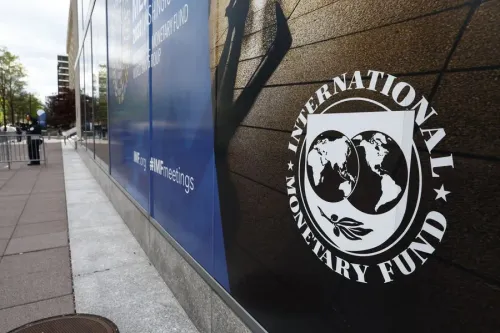
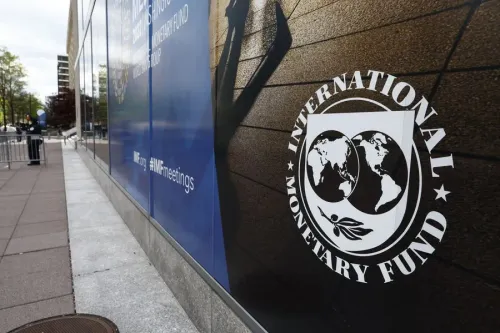
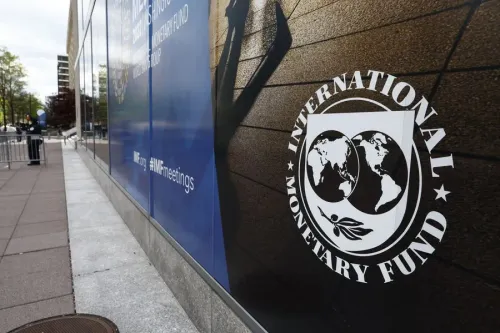
New Delhi, April 23: The International Monetary Fund (IMF) has handed Pakistan a sweeping list of 75 conditionalities — including 11 newly added demands — tied to the continuation of its $7 billion Extended Fund Facility (EFF) bailout package. Among the most contentious requirements is a firm commitment to raise electricity and gas tariffs, even as struggling production units face mounting financial pressure, according to a report by The Express Tribune.
IMF's 'Do More' Mandate to Islamabad
The global lender has essentially issued a 'do more, do it within the timeframe' directive to the Pakistani government, signalling zero tolerance for delays in structural reforms. The IMF is insisting that Islamabad honour its earlier pledges without backtracking, particularly on energy pricing reforms that directly affect industrial and domestic consumers.
The report described the new conditionalities as 'startling', warning they represent a significant encroachment on Pakistan's economic sovereignty. Analysts have noted that the conditions reflect the IMF's frustration with Pakistan's historically inconsistent approach to implementing agreed-upon reforms.
Key Demands: SEZ Laws, Tax Incentives, and Export Zones
Pakistan's Finance Minister reportedly agreed during meetings in Washington, D.C. to phase out existing fiscal incentives under the Special Economic Zones (SEZ) Act and the Special Technology Zones Authority (STZA). These concessions mark a significant policy shift for a country that has long used such incentives to attract foreign and domestic investment.
Additional commitments include withdrawing privileges for tax incentive grants and prohibiting export processing zones from selling goods within Pakistan's domestic market. These measures are aimed at levelling the playing field and curbing practices the IMF views as market distortions.
Energy Price Hikes: The Most Contentious Condition
The IMF's insistence on raising electricity and gas prices remains the most politically sensitive demand. Pakistan's industrial sector, already reeling from high input costs and sluggish demand, has repeatedly warned that further tariff hikes could trigger factory closures and job losses.
Despite these concerns, the IMF is holding firm, making the energy pricing commitment a non-negotiable part of the bailout framework. The lender believes that subsidised energy prices have long distorted Pakistan's fiscal balance and must be corrected for long-term economic stability.
Governance and Private Sector Reforms in Focus
Beyond energy and taxation, the 75 conditionalities also target systemic weaknesses in governance, decision-making processes, and private sector development. The IMF has made clear it expects a departure from what the report characterised as 'ad hocism' — the reactive, short-term policy approach that has plagued Pakistan's economic management for decades.
The conditions are designed to enforce structural discipline and align Pakistan's upcoming federal budget with internationally accepted fiscal standards. The 11 new conditionalities must specifically be reflected in the forthcoming budget to demonstrate compliance.
What This Means for Pakistan's Economic Future
Pakistan has been dependent on IMF bailouts for much of its recent economic history, and this latest round of conditions underscores the depth of its fiscal vulnerabilities. Compliance will be closely monitored, with the continuation of the $7 billion EFF package contingent on measurable progress.
With the federal budget season approaching, all eyes will be on whether Islamabad can translate its Washington commitments into concrete legislative and policy action — or whether political pressures at home will once again derail reform momentum. The IMF's next review of Pakistan's programme is expected to serve as a critical checkpoint for assessing compliance with the expanded conditionality framework.
Point of View
A stable but reform-driven Pakistan is preferable to economic collapse, yet the social and political fallout of these austerity measures could destabilise the region. New Delhi should watch closely how Islamabad navigates this high-stakes fiscal tightrope.
NationPress
19 Sept 2026
Frequently Asked Questions
What are the new IMF conditions imposed on Pakistan in 2025?
The IMF has imposed 75 conditionalities on Pakistan's $7 billion Extended Fund Facility bailout, including 11 new ones. Key demands include raising electricity and gas prices, phasing out SEZ fiscal incentives, and reforming governance and private sector policies.
Why is the IMF demanding Pakistan raise electricity and gas prices?
The IMF believes subsidised energy prices have long distorted Pakistan's fiscal balance and contributed to its chronic budget deficits. Raising tariffs is seen as essential to reducing government liabilities and achieving long-term economic stability.
What is Pakistan's $7 billion IMF bailout package?
Pakistan's $7 billion bailout is provided under the IMF's Extended Fund Facility (EFF), designed to help countries facing serious balance-of-payments problems. The package comes with strict structural reform requirements that Pakistan must fulfil to continue receiving disbursements.
How will IMF conditions affect Pakistan's upcoming federal budget?
The 11 new conditionalities must be specifically reflected in Pakistan's upcoming federal budget to demonstrate compliance. This means the budget is expected to include energy tariff revisions, SEZ incentive rollbacks, and governance reform measures.
What are Special Economic Zones and why does the IMF want Pakistan to reform them?
Special Economic Zones (SEZs) are designated areas offering tax breaks and incentives to attract investment. The IMF views Pakistan's SEZ incentives as fiscal distortions that undermine fair competition and reduce government revenue, and has demanded they be phased out.