India CV Industry Set for Record 12.4 Lakh Units by FY27: Crisil
Synopsis
India's commercial vehicle industry is poised to shatter its all-time volume record at 12.4 lakh units in FY27, per Crisil Ratings — powered by e-commerce, infrastructure spending, and GST cuts. But export growth may nearly collapse from 17% to just 2–4% due to West Asia tensions, exposing a critical vulnerability in India's CV growth story.
Key Takeaways
India's commercial vehicle industry is projected to hit a record 12.4 lakh units in FY27 , surpassing the previous peak of fiscal 2019 , per Crisil Ratings .
The industry posted a strong 13 per cent rebound in FY26 , but growth will moderate to 5–6 per cent in FY27 due to the high base effect.
Light commercial vehicles (LCVs) , accounting for 60 per cent of industry volume , are projected to grow 5–6 per cent , driven by e-commerce and last-mile delivery demand.
MHCV volumes are expected to grow 4–5 per cent , supported by freight movement and government infrastructure spending.
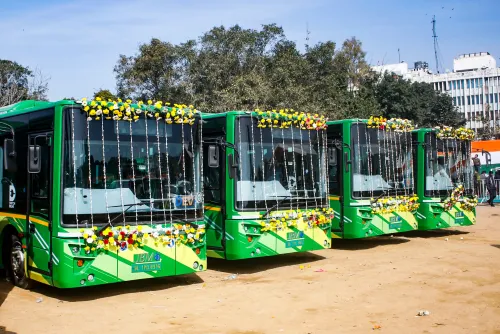
The bus segment is forecast to grow 3–4 per cent , with electric buses set to lead electrification across all CV categories despite low single-digit penetration.
CV exports face a sharp slowdown to 2–4 per cent growth in FY27 from 17 per cent in FY26 , due to geopolitical disruptions in West Asia .
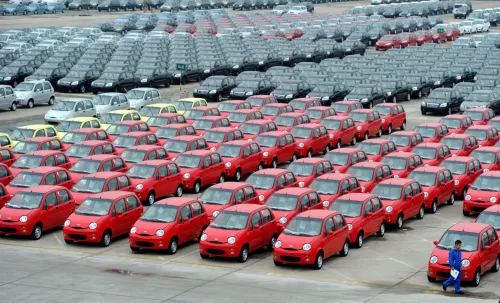
India's commercial vehicle (CV) industry is on track to achieve an all-time high volume of approximately 12.4 lakh units in fiscal year 2027, eclipsing the previous record set in fiscal 2019, according to a report released by Crisil Ratings on Saturday, April 25. The projected milestone reflects a maturing recovery cycle powered by infrastructure investment, easing monetary conditions, and targeted tax reforms. This would mark a historic inflection point for one of India's most economically sensitive manufacturing sectors.
Strong FY26 Rebound Sets the Stage
The CV industry recorded a robust 13 per cent growth rebound in fiscal 2026, driven by a confluence of demand-side tailwinds. The GST rate cut on commercial vehicles played a pivotal role in unlocking deferred purchasing decisions, particularly among fleet operators who had been holding back amid cost pressures.
Easing interest rates, improved freight utilisation rates, and accelerated activity in infrastructure and mining sectors further reinforced the recovery. However, Crisil Ratings notes that the high base effect from FY26 will naturally moderate growth to a more measured 5–6 per cent in FY27.
The domestic market remains the backbone of the industry, accounting for approximately 92 per cent of total CV volumes, making it largely insulated from global headwinds — though not entirely immune.
Segment-Wise Growth Outlook
Light commercial vehicles (LCVs), which constitute roughly 60 per cent of total industry volume, are projected to grow at 5–6 per cent in FY27. Anuj Sethi, Senior Director at Crisil Ratings, attributed this growth primarily to the surging demand from e-commerce logistics and last-mile delivery networks, which have expanded dramatically across Tier-2 and Tier-3 cities in India.
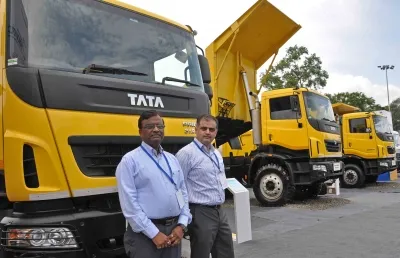
Medium and heavy commercial vehicles (MHCVs) are expected to register volume growth of 4–5 per cent, underpinned by sustained freight movement and continued government infrastructure spending under programs like PM Gati Shakti and the National Infrastructure Pipeline. Notably, the ongoing shift toward higher-tonnage vehicles — enabled by better road quality — could moderate unit volumes even as the underlying demand remains structurally strong.
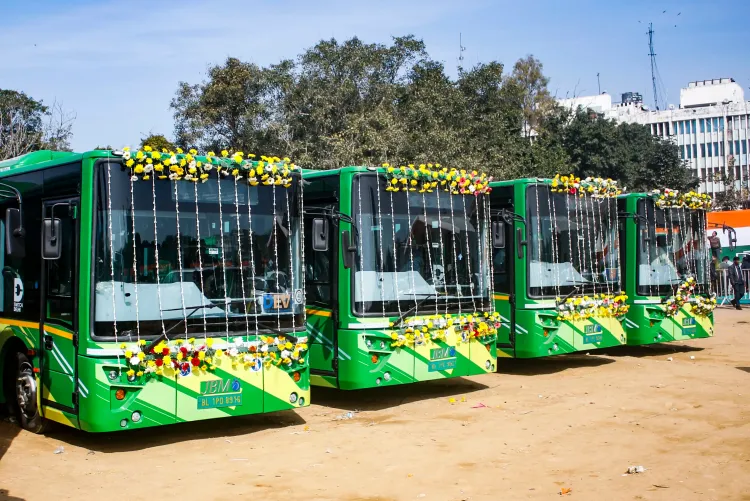
The bus segment, a sub-category within both LCV and MHCV classifications, is forecast to grow at 3–4 per cent in FY27, supported by replacement demand and government-led electric bus procurement initiatives under schemes like PM-eBus Sewa.
Electric Bus Electrification Gaining Momentum
While buses remain a relatively small sub-segment of the overall CV market, Crisil Ratings predicts that electrification in this category will advance faster than in any other CV segment. Electric bus penetration currently sits in the low single digits but is rising steadily, driven by state government procurement tenders and central government subsidies.
This trend carries significant implications for public transportation policy, urban air quality goals, and the broader electric vehicle (EV) ecosystem in India, including charging infrastructure, battery supply chains, and domestic manufacturing under the PLI (Production Linked Incentive) scheme.
Export Outlook: Near-Term Headwinds from West Asia
Exports, which account for approximately 8 per cent of total CV volume, face a notably different trajectory. Poonam Upadhyay, Director at Crisil Ratings, flagged that CV exports may see a sharp deceleration to 2–4 per cent growth in FY27, a significant step down from the approximately 17 per cent growth recorded in fiscal 2026.
The primary risk factor is the ongoing geopolitical instability in West Asia, a key destination market for Indian commercial vehicles. Disruptions in shipping lanes, reduced fleet procurement by operators in conflict-affected zones, and currency volatility in the region could collectively weigh on export volumes through the fiscal year.
This export vulnerability underscores why India's CV industry must continue deepening its domestic demand base — particularly in rural and semi-urban freight corridors — to buffer against external shocks.
Broader Industry Implications
The CV sector is widely regarded as a leading economic indicator for India's industrial and consumption health. A record-breaking FY27 volume would signal not just sectoral strength but also broader confidence in India's GDP growth trajectory, which the IMF and RBI project to remain among the fastest globally despite global uncertainties.
Historically, CV volume peaks have coincided with periods of elevated public capital expenditure. India's Union Budget FY26 allocated a record ₹11.11 lakh crore for capital expenditure, much of which flows into road, rail, and port infrastructure — directly stimulating freight demand and, by extension, CV sales.
As FY27 unfolds, market watchers will closely track GST collection trends, RBI's rate cycle decisions, and the pace of National Highway construction as key variables that will determine whether the industry reaches — or even exceeds — the 12.4 lakh unit milestone.
Point of View
Where every kilometre of highway built effectively generates CV demand. However, the near-collapse of export growth from 17% to 2–4% due to West Asia instability is a sobering reminder that India's manufacturing ambitions remain exposed to geopolitical volatility it cannot control. The electric bus story is the most underreported angle here: with penetration in low single digits but accelerating, the next two fiscal years could define whether India builds a credible domestic EV supply chain or remains dependent on imported battery technology. Policymakers celebrating the volume record must simultaneously address the structural gaps in export market diversification and EV infrastructure.
NationPress
20 Sept 2026
Frequently Asked Questions
What is the projected volume of India's commercial vehicle industry in FY27?
India's commercial vehicle industry is projected to reach a record volume of approximately 12.4 lakh units in fiscal year 2027 , according to a Crisil Ratings report. This would surpass the previous industry peak recorded in fiscal 2019.
Why is CV industry growth expected to slow in FY27 despite a record volume?
Growth is expected to moderate to 5–6 per cent in FY27 from 13 per cent in FY26 primarily due to the high base effect from the previous year's strong rebound. Crisil Ratings notes that the underlying demand drivers — infrastructure activity, GST cuts, and e-commerce — remain intact.
How will GST rate cuts impact India's commercial vehicle demand?
The GST rate cut on commercial vehicles improved purchase economics for fleet operators, unlocking deferred demand that had built up during periods of elevated costs. This, combined with easing interest rates, significantly boosted buying sentiment across both LCV and MHCV segments.
What is the outlook for electric buses in India's CV sector?
Electric buses are expected to be the fastest-electrifying sub-segment within India's commercial vehicle industry, driven by government procurement schemes like PM-eBus Sewa. Penetration remains in low single digits but is rising steadily, according to Crisil Ratings.
Why could India's commercial vehicle exports slow down in FY27?
CV exports, which grew approximately 17 per cent in FY26 , are forecast to decelerate sharply to 2–4 per cent in FY27 due to ongoing geopolitical instability in West Asia , a key destination market. Shipping disruptions and reduced fleet procurement in conflict-affected regions are the primary risk factors.