Is India Strengthening Its Ties with Africa for Rare Earth Minerals?
Click to start listening
Synopsis
India is forging stronger partnerships with African nations to secure essential rare earth minerals, crucial for advancing technology and green energy. This shift towards mutually beneficial arrangements marks a new chapter in India-Africa relations, promising economic growth and sustainability for both sides.
Key Takeaways
- India is deepening ties with African nations for critical minerals.
- Emphasis on mutually beneficial partnerships for local development.
- India aims for sustainable supply chains in rare earth minerals.
- Investments focus on technology transfer and job creation in Africa.
- Long-term cooperation is prioritized over traditional extraction methods.
New Delhi, Jan 17 (NationPress) India is embarking on a transformative journey in its relations with Africa as it forges stronger alliances with various African nations to access rare earth elements essential for cutting-edge technology, sustainable energy, and defense sectors.
This new direction emphasizes mutually beneficial relationships, moving away from outdated trade practices that have been perceived as exploitative, according to a report by The Citizen.
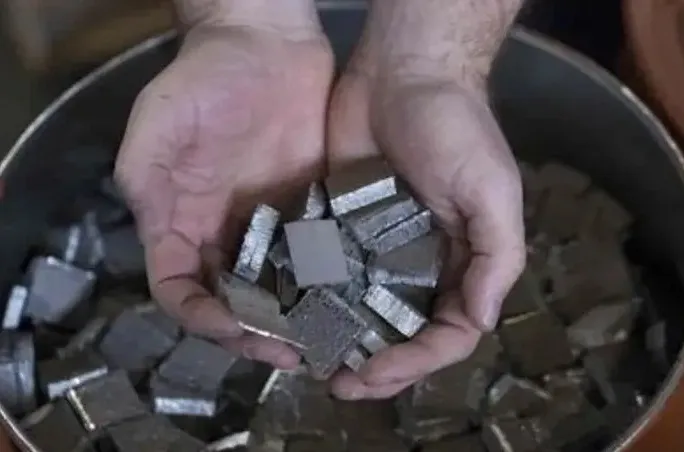
Rare earth elements are vital for the production of electric vehicles, renewable energy solutions, electronics, and sophisticated defense systems.
As the global demand soars and China monopolizes nearly 90% of the world’s rare earth resources, nations worldwide are actively seeking reliable alternative sources.
Supply chain concerns have intensified following China’s implementation of stricter export restrictions amid ongoing trade disputes with the United States.
In this context, Africa has emerged as a pivotal ally for India. The continent is rich in large, untapped reserves of critical minerals like neodymium, dysprosium, cobalt, and lithium, making it central to India’s Critical Mineral Mission.
This mission aims to guarantee a consistent and secure supply of rare minerals crucial for India’s transition to green energy and advanced manufacturing.
Over the last ten years, India has markedly increased its investment in African nations to explore and harness these mineral resources.
Unlike conventional extractive methods, India’s strategy emphasizes long-term cooperation that fosters local development while fulfilling its strategic requirements.
The report highlights the goal of establishing a symbiotic relationship that benefits both parties economically and technologically.
Africa is a vital component of India’s nearly $4 billion initiative aimed at creating sustainable rare earth supply chains. Ongoing agreements and collaborations involve nations like Zambia, Zimbabwe, Mozambique, and Malawi.
These partnerships frequently feature long-term off-take contracts, ensuring mineral availability for India while promoting industrialization and value addition within African economies.
Public sector enterprises from India are also significantly involved. NLC India Limited is pursuing opportunities in lithium and cobalt across Africa, focusing on research, development, and local value enhancement.
The company is in advanced talks with Mali for equity involvement in lithium mining and with the Republic of Congo for cobalt ventures.
India’s Ministry of External Affairs has articulated that these partnerships follow an equal partnership framework.
This includes joint ventures, skill enhancement, infrastructure development, and contributions to local industries.
The ministry emphasized that this approach ensures African nations are not merely exporting raw minerals but are leveraging their natural resources to foster long-term, sustainable economic progress.
In return, African governments are increasingly looking to Indian investments to elevate employment rates, increase incomes, and fortify their industrial landscape.
For India, accessing critical minerals is indispensable for its economic expansion and clean energy objectives.
For Africa, alliances with India present avenues for job creation, infrastructure development, and technology transfer.
Point of View
It is crucial to recognize the significance of India’s evolving relationship with Africa. This partnership not only serves India's strategic interests in securing rare earth minerals but also promotes sustainable development in Africa, fostering mutual growth and stability.
NationPress
18/01/2026
Frequently Asked Questions
Why are rare earth minerals important?
Rare earth minerals are essential for producing electric vehicles, renewable energy systems, electronics, and advanced defense technologies.
What is India's Critical Mineral Mission?
India's Critical Mineral Mission aims to secure a stable supply of rare minerals necessary for the country's green energy transition and high-tech manufacturing needs.
How is India investing in Africa?
India has significantly increased investments in African nations to explore and develop critical mineral resources while fostering local development.
What are the benefits of India-Africa partnerships?
These partnerships promote economic growth, job creation, and technology transfer, benefiting both India and African nations.
Which African countries are involved in India's initiatives?
India's initiatives involve countries such as Zambia, Zimbabwe, Mozambique, and Malawi.