Is India Set to Triple Incentives for Rare Earth Magnet Manufacturing?
Synopsis
India's ambitious plan to nearly triple its incentives for rare earth magnet manufacturing signals a strategic move to enhance domestic capabilities and secure supply chains. This initiative is crucial in the context of rising global demand for critical minerals amidst China's export restrictions. Explore how this could reshape India's role in the clean energy and electronics sectors.
Key Takeaways
India's incentives for rare earth magnets are set to increase significantly.
The move is aimed at reducing dependency on Chinese imports.
Collaboration with resource-rich nations is being explored.
India seeks to strengthen its critical minerals ecosystem.
Electric vehicles demand significantly more minerals than traditional cars.
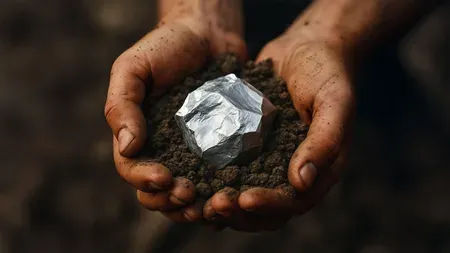
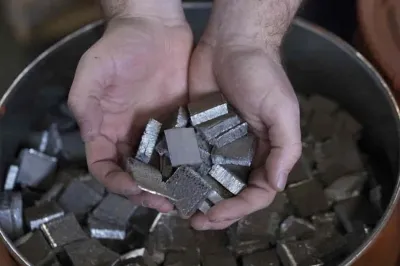
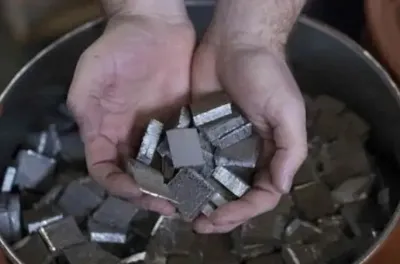
New Delhi, Nov 3 (NationPress) In a significant initiative to enhance domestic capabilities in the essential rare earth sector, India is set to nearly triple the funding for its incentive program aimed at rare earth magnet production, increasing it to over Rs 7,000 crore.
This strategy aligns with the efforts of various countries, including India, to create a dependable supply chain for rare earth magnets—crucial elements used in electric vehicles, wind turbines, smartphones, and defense systems—especially in light of China's increasing export restrictions, as reported.
Currently, China accounts for nearly 90 percent of global rare earth processing. In April, Beijing imposed stricter export controls on vital minerals amid escalating trade tensions with the US, which disrupted supplies for automakers and clean energy sectors worldwide.
India's expanded production-linked incentive (PLI) scheme is designed to attract private investments, bolster local manufacturing, and decrease reliance on imports from China.
The government is also considering collaborations with resource-rich nations to secure essential raw materials for magnet production.
Industry analysts have noted that the increased incentives are part of India's broader strategy to fortify its critical minerals ecosystem—encompassing exploration, extraction, value addition, and high-tech manufacturing.
Earlier today, the PHD Chamber of Commerce and Industry (PHDCCI) urged the government to establish a dedicated Department of Critical Minerals and implement an “aggressive mineral diplomacy” to protect India from global supply chain disruptions.
The chamber also recommended inter-ministerial cooperation and strategic stockpiling of essential minerals, akin to the US oil reserve strategy.
Experts have consistently emphasized that the global energy transition will heavily depend on critical minerals.
Electric vehicles are projected to be six times more mineral-intensive than traditional vehicles, while renewable energy technologies such as solar and wind require up to three times more minerals than conventional sources.
“By expanding its rare earth magnet production, India aims not only to enhance its manufacturing capabilities but also to establish itself as a crucial player in the global clean energy and electronics supply chains,” as per reports.
Point of View
It's clear that India's initiative to enhance its rare earth magnet production represents a crucial step towards self-reliance in strategic minerals. With the global market increasingly affected by geopolitical tensions, bolstering domestic capabilities will not only secure India's interests but also strengthen its position in the international supply chain of critical minerals.
NationPress
17 Oct 2026
Frequently Asked Questions
What is the significance of India's incentive program for rare earth magnet manufacturing?
The incentive program aims to reduce India's dependence on Chinese imports, attract private investment, and strengthen local manufacturing capabilities in the critical minerals sector.
Why are rare earth magnets important?
Rare earth magnets are essential components in various technologies including electric vehicles, wind turbines, smartphones, and defense systems, making them crucial for modern energy transitions.
How does this initiative impact India's economy?
By tripling the incentives, India aims to boost local manufacturing, create jobs, and establish a more reliable supply chain for critical minerals, ultimately enhancing economic resilience.
What role does China play in the rare earth market?
China currently processes about 90% of the world's rare earth output, making its export policies significantly impactful on global supply chains.
What are critical minerals?
Critical minerals are essential for the production of high-tech devices and renewable energy technologies, and their availability is crucial for sustainable development.