How Do Global Brokerages View the India-US Trade Agreement?

Synopsis
Global and Indian brokerages are optimistic about the India-US trade deal, seeing it as a significant boost for the economy and foreign investment. With the Sensex reaching historic highs, experts predict improved corporate earnings and a positive shift in market sentiment, marking an opportune moment for investors.
Key Takeaways
The India-US trade deal is viewed positively by global and Indian brokerages.
The Sensex surged over 4,200 points, indicating strong market sentiment.
Reduced tariffs may lower India's current account deficit by 0.25% of GDP by 2026.
Expectations of capital inflows are set to rise with the deal's implementation.
The trade agreement enhances India's competitive stance in export markets.
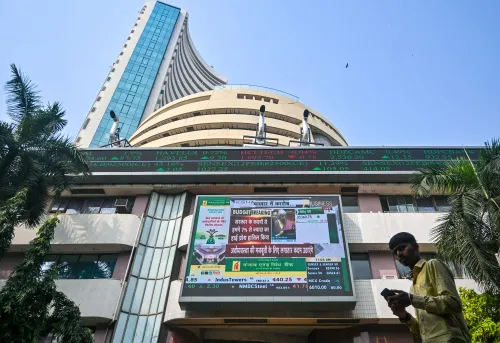
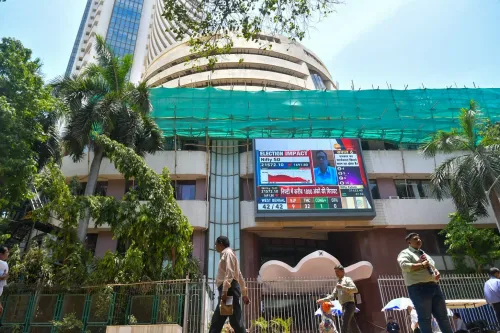
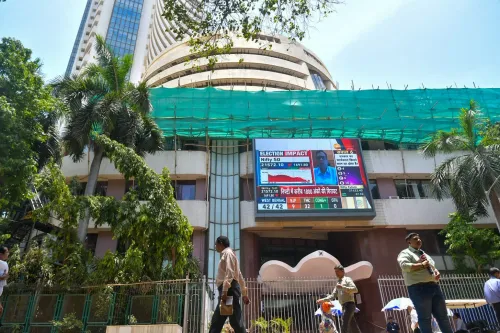
Mumbai, Feb 3 (NationPress) On Tuesday, both global and Indian brokerages expressed strong approval of the India–US trade deal, labeling it a significant boost for India's economy, corporate earnings, and the sentiment surrounding foreign investments. This enthusiastic endorsement from financial analysts was evident in the stock market, with the Sensex surging over 4,200 points during intraday trading, reaching a historic peak of 85,871.73.
Experts in brokerage firms believe that the decreased reciprocal tariffs on Indian exports to the US will alleviate pressure on India's external financial situation and enhance growth prospects.
Goldman Sachs projected that the reduced tariffs could help decrease India's current account deficit by approximately 0.25 percent of GDP by 2026, lowering it to about 0.8 percent.
The firm anticipates that capital inflows will start to recover once the deal is fully enacted, which could bolster the rupee and lessen risks to its dollar-rupee forecast.
Goldman Sachs further indicated that the Reserve Bank of India is likely nearing the conclusion of its rate-cutting cycle and may maintain the repo rate at 5.25 percent through 2026.
It also pointed out that the trade agreement positions India more favorably compared to other Asian emerging markets regarding export competitiveness.
Bernstein noted that the improved sentiment surrounding India presents an opportune moment for investors to enter the market, despite recent softness in corporate earnings.
Nomura emphasized the expected revival of foreign investment in India, predicting a gradual return of both foreign portfolio investor (FPI) inflows and foreign direct investment (FDI) commitments following a lackluster FY26.
The brokerage forecasts a balance of payments surplus of around $7 billion in FY27, highlighting that the tariff reduction to 18 percent will alleviate margin pressures in labor-intensive sectors like textiles and manufacturing.
BofA Securities commented that India’s opening up of markets to additional US products could result in increased technology imports and promote long-term US investments in the nation.
Despite some depreciation of the rupee, it added that the effects of the new tariff structure would be minimal.
According to its estimates, when accounting for existing US tariffs on goods such as steel, aluminum, and automobiles, India’s effective tariff rate could drop to approximately 12–13 percent, down from nearly 30–35 percent.
Domestic brokerage Motilal Oswal stated that the market will now shift its focus toward the improving trend in corporate earnings.
Antique Stock Broking described the agreement as extremely favorable for Indian equities, noting that the key advantage would be the anticipated return of foreign investors, a major concern in the past year.
Based on this outlook, Antique has set a Nifty 50 target of 29,500 by March 2027, favoring sectors such as financials, capital goods, defense, and consumer-oriented stocks.
Point of View
I affirm that the enthusiastic reception of the India-US trade agreement reflects a pivotal moment for India's economic future. The anticipated inflow of foreign investments and corporate growth signals a recovery phase that the nation has been awaiting. Our focus should remain on sustainable growth and ensuring that this momentum translates into long-term benefits for all stakeholders.
NationPress
22 Sept 2026
Frequently Asked Questions
What is the significance of the India-US trade deal?
The India-US trade deal is significant as it aims to reduce tariffs and promote economic cooperation, enhancing India's export competitiveness and potentially increasing foreign investment.
How will the trade deal affect the Indian economy?
The trade deal is expected to bolster India's economy by improving corporate earnings and alleviating pressure on the current account deficit.
What impact will the deal have on the stock market?
Analysts predict a positive impact on the stock market, with the potential for increased foreign portfolio investments and a bullish sentiment among investors.