India-US bilateral trade agreement talks advance after USTR delegation visit
Synopsis
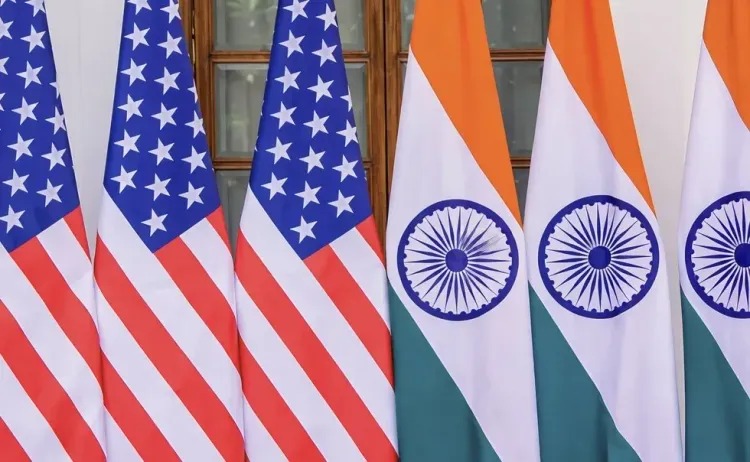
A senior USTR delegation wrapped up four days of trade talks in New Delhi on 4 June 2026, with India and the US reporting 'constructive and positive' progress on a bilateral trade agreement. The visit advances a framework both sides agreed to in February 2026 — a deal that could reshape tariffs and investment flows between the world's largest and fifth-largest economies.
Key Takeaways
A USTR delegation visited New Delhi from 1 to 4 June 2026 to advance India-US Bilateral Trade Agreement negotiations.
Talks covered trade in goods , non-tariff measures , customs and trade facilitation , and economic security alignment .
The visit follows the Joint Statement of 7 February 2026 , which established a framework for an interim trade agreement .
The Ministry of Commerce & Industry described discussions as 'constructive and positive' with a 'spirit of cooperation and pragmatism.' Both sides reaffirmed commitment to a comprehensive agreement strengthening bilateral trade and investment ties.
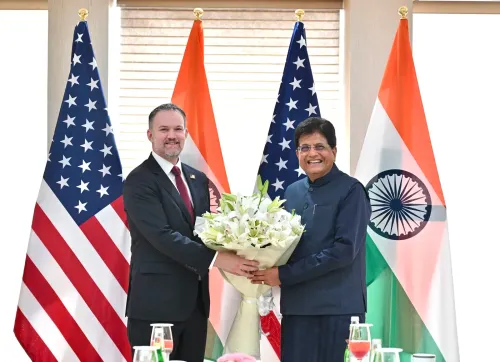
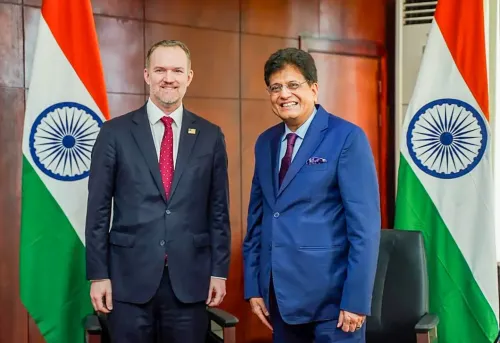
India and the United States have made significant progress in negotiations for a proposed bilateral trade agreement following a four-day visit by a senior delegation from the Office of the United States Trade Representative (USTR) to New Delhi from 1 June to 4 June 2026. The Ministry of Commerce & Industry confirmed on Thursday that discussions were constructive, covering a broad range of trade-related issues across multiple negotiating tracks.
Key Areas Discussed
The USTR delegation, led by the Chief Negotiator, engaged Indian counterparts on several critical fronts: trade in goods, non-tariff measures, customs and trade facilitation, economic security alignment, and other matters of mutual strategic interest. Officials from both sides reviewed progress and explored avenues to deepen economic engagement beyond existing frameworks.
Foundation: The February 2026 Joint Statement
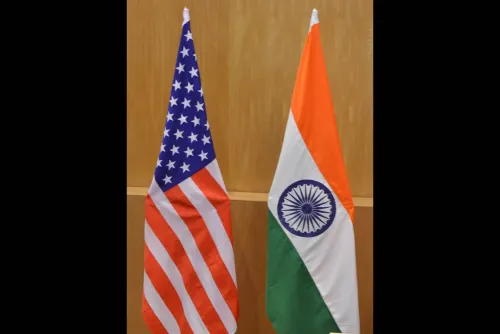
The latest round of talks builds on the Joint Statement issued on 7 February 2026, in which India and the United States agreed on a framework for an interim trade agreement designed to ensure reciprocal and mutually beneficial trade. That statement also reaffirmed both countries' commitment to continuing negotiations toward a comprehensive India-U.S. Bilateral Trade Agreement. This week's visit represents a concrete step in translating that framework into actionable negotiating outcomes.
What the Government Said
The Ministry of Commerce & Industry described the engagements as marked by 'a spirit of cooperation and pragmatism.' In its official statement, the ministry noted that 'both sides reaffirmed their commitment to concluding a mutually beneficial agreement that strengthens bilateral trade and economic ties.' The tone signals that both governments are treating the negotiations as a priority diplomatic and commercial exercise, not merely a procedural exchange.
Why This Matters
India and the United States are the world's fifth-largest and largest economies respectively, and their bilateral trade relationship has grown substantially over the past decade. Notably, these negotiations come amid a broader recalibration of global supply chains and heightened focus on economic security — themes that featured explicitly in this week's agenda. A structured bilateral trade agreement could significantly reshape tariff structures, investment flows, and regulatory alignment between the two nations.
What Comes Next
Both sides are expected to continue negotiations across the identified tracks, with the interim agreement framework serving as a near-term milestone. Industry bodies and trade observers will be watching for signals on market access, particularly in sectors such as pharmaceuticals, technology, and agriculture, where longstanding friction points have historically complicated India-US trade diplomacy.
Point of View
But the gap between a framework and a signed agreement remains wide, particularly on market access for Indian pharmaceuticals and US agricultural products. The explicit inclusion of 'economic security alignment' in this week's agenda is the more telling detail: it signals that both sides are treating this less as a conventional trade deal and more as a strategic economic compact shaped by the China variable. Whether that shared strategic interest is enough to bridge entrenched tariff disagreements will define the next phase of talks.
NationPress
21 Oct 2026
Frequently Asked Questions
What progress has been made in India-US bilateral trade agreement talks?
India and the US reported constructive progress following a USTR delegation visit to New Delhi from 1 to 4 June 2026. Discussions spanned trade in goods, non-tariff measures, customs facilitation, and economic security, with both sides reaffirming commitment to a mutually beneficial agreement.
What is the India-US interim trade agreement framework?
The interim trade agreement framework was established through a Joint Statement issued on 7 February 2026, in which both countries agreed on a structure to ensure reciprocal and mutually beneficial trade. It serves as a near-term milestone ahead of a comprehensive bilateral trade agreement.
Who led the USTR delegation to India in June 2026?
The USTR delegation was led by the Chief Negotiator from the Office of the United States Trade Representative. The team visited New Delhi from 1 to 4 June 2026 for structured negotiations with Indian trade officials.
Why are India-US trade negotiations significant?
India and the United States are the world's fifth-largest and largest economies respectively. A bilateral trade agreement could reshape tariff structures, investment flows, and regulatory alignment, with potential impact on sectors including pharmaceuticals, technology, and agriculture.
What are the key issues in India-US trade talks?
The negotiations cover trade in goods, non-tariff measures, customs and trade facilitation, and economic security alignment. Historically, market access disputes in pharmaceuticals and agriculture have been among the most contentious areas in India-US trade diplomacy.