India in active talks with US on Section 301 tariffs, bilateral trade pact

Synopsis
India is walking a two-track path with Washington: defending against USTR's Section 301 tariff threat on 60 economies while racing to seal an interim bilateral trade pact in New Delhi. With public hearings set for 7 July 2026 and a deal on the table, the next few weeks could redraw India's tariff exposure in its largest export market.
Key Takeaways
The Commerce Ministry confirmed on Wednesday that India is engaged with the US on Section 301 proceedings and the bilateral trade framework.
The USTR has concluded investigations against 60 economies , including India, and proposed additional tariffs under Section 301 of the US Trade Act of 1974.
Stakeholder hearing requests are due by 22 June 2026 ; written comments by 6 July 2026 ; public hearings on 7 July .
A three-day round of India-US talks is underway in New Delhi to finalise the interim trade agreement.
US Ambassador Sergio Gor said the deal would expand market access and reduce barriers for businesses on both sides.
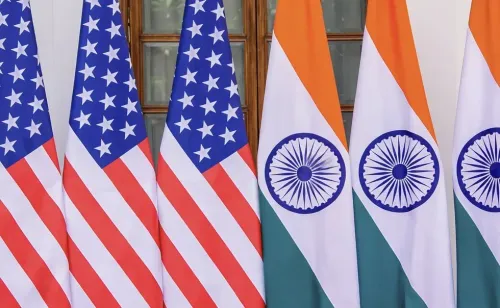
India is actively engaged with the United States on the Section 301 proceedings initiated by Washington while parallelly working to finalise a framework agreement on bilateral trade, the Commerce Ministry said on Wednesday. The dual-track engagement follows the joint statement released on 7 February and the trade framework announced on 2 February 2025.
What the USTR proposed
The United States Trade Representative (USTR) has concluded investigations against 60 economies, including India, examining measures these countries have taken that allegedly restrict the import of US goods. As a result, the USTR has proposed imposing additional tariffs on imports from these 60 economies under Section 301 of the US Trade Act of 1974.
Products already covered under Section 232 tariffs and certain other categories have been excluded from the latest tariff proposals. A special mechanism has also been proposed for textile and apparel products that could allow a certain volume of imports from selected economies to enter the US at lower tariff rates.
Timeline for stakeholder comments
According to the Commerce Ministry, the proposed tariffs are not yet final. Stakeholders can submit requests to participate in public hearings by 22 June 2026, while written comments can be filed until 6 July 2026. Public hearings are scheduled for 7 July.
The USTR will consider the comments and testimony received before taking a final decision on the proposed measures, the ministry said.
Bilateral trade talks in New Delhi
Senior officials from India and the United States are currently holding a three-day round of talks in New Delhi to finalise the interim bilateral trade agreement, which is expected to lead to a reduction in tariffs. The February 7 India-US joint statement established the framework for an interim trade agreement aimed at mutually beneficial, reciprocal trade, while committing both nations to broader Bilateral Trade Agreement (BTA) negotiations.
What the US envoy said
US Ambassador to India Sergio Gor said recently that Washington was looking forward to completing the details of a new bilateral trade agreement with India that will ‘expand market access, reduce barriers, and create greater certainty for businesses on both sides'.
What happens next
The outcome of the ongoing Delhi round and the USTR's July hearings will together shape the contours of India's tariff exposure in the US market. With negotiations running on parallel tracks, the coming weeks will test whether the interim deal can blunt the impact of any Section 301 levies on Indian exporters.
Point of View
Which means New Delhi is negotiating both as a bilateral partner and as one of many targets — a posture that limits leverage. The interim BTA is the real shield: if signed before the 7 July hearings, it could blunt or even pre-empt Section 301 action on Indian goods. If it slips, exporters in textiles, pharma and engineering could face a tariff regime that no parallel framework agreement can quickly undo.
NationPress
21 Oct 2026
Frequently Asked Questions
What are the Section 301 proceedings initiated by the US?
Section 301 of the US Trade Act of 1974 allows the USTR to investigate and act against foreign trade practices it deems unfair. The USTR has concluded investigations against 60 economies, including India, and proposed additional tariffs on their imports, with exclusions for goods already under Section 232 and a special mechanism for textiles and apparel.
What is the status of the India-US bilateral trade agreement?
Senior officials from India and the United States are holding a three-day round of talks in New Delhi to finalise an interim bilateral trade agreement expected to reduce tariffs. The framework was established by the 7 February India-US joint statement and commits both sides to broader BTA negotiations.
When will the proposed Section 301 tariffs be finalised?
The tariffs are not yet final. Stakeholders can request to participate in public hearings until 22 June 2026 and submit written comments until 6 July 2026, with public hearings scheduled for 7 July. The USTR will decide after reviewing the inputs.
What has the US Ambassador said about the trade deal?
US Ambassador to India Sergio Gor said Washington was looking forward to completing the details of a new bilateral trade agreement with India that would expand market access, reduce barriers and create greater certainty for businesses on both sides.
Which products are excluded from the proposed Section 301 tariffs?
Products already covered under Section 232 tariffs and certain other categories are excluded from the proposals. A special mechanism has also been proposed for textile and apparel products, allowing a certain volume of imports from selected economies to enter the US at lower tariff rates.