India in lower tariff tier under US Section 301 measures, 45% exports exempt
Synopsis
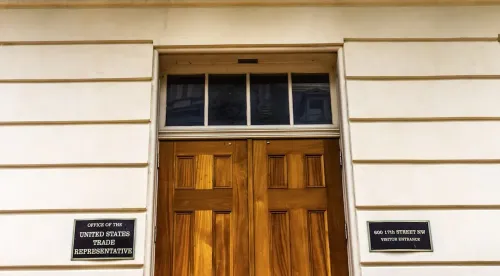
India's months-long diplomatic push with the USTR paid off: the country landed in the lower tariff tier under final Section 301 measures, with the additional duty trimmed to 10% from the proposed 12.5%, and nearly half of India's US-bound exports — including pharmaceuticals and smartphones — kept entirely out of scope. The India-US trade pact talks continue.
Key Takeaways
The USTR announced final Section 301 measures on 23 July 2026 , covering 60 economies over forced labour concerns.
India has been placed in the lower tier of additional tariffs, with the duty set at 10 per cent ad valorem , down from the proposed 12.5 per cent of 2 June 2026 .
An estimated 45 per cent of India's exports to the US — including generic pharmaceuticals , smartphones , steel , aluminium , and auto parts — remain exempt from the additional duty.
The remaining 55 per cent of exports will attract the 10 per cent duty, but at a comparatively lower incidence than most other covered economies.
A textile-specific mechanism under the final measures is yet to be operationalised; negotiations continue under the India-US BTA framework.
India has secured a comparatively favourable position under the final measures announced by the United States Trade Representative (USTR) on 23 July 2026 under Section 301 of the US Trade Act, 1974, with the government confirming on Saturday, 25 July that sustained diplomatic engagement resulted in India being placed in the lower tier of additional tariffs. An estimated 45 per cent of India's exports to the United States will remain outside the purview of the additional duty.
What the Final Measures Say
The USTR has imposed an additional 10 per cent ad valorem duty on imports from India under the Section 301 investigation, which examined the acts, policies, and practices of 60 economies relating to the importation of goods allegedly produced with forced labour. Notably, this represents a reduction from the 12.5 per cent duty initially proposed on 2 June 2026, following India's active engagement throughout the process.
Which Indian Exports Are Exempt
A substantial share of India's exports to the US — including generic pharmaceuticals, smartphones, and certain other specified products that currently attract zero additional duties — continue to remain outside the scope of the additional 10 per cent levy. Products already covered under Section 232 measures, including steel, aluminium, and auto parts, are also not subject to the new duty, as Section 232 applies broadly across all countries with limited exceptions. In total, an estimated 45 per cent of India's exports to the United States are shielded from the additional duty.
What the Government Said
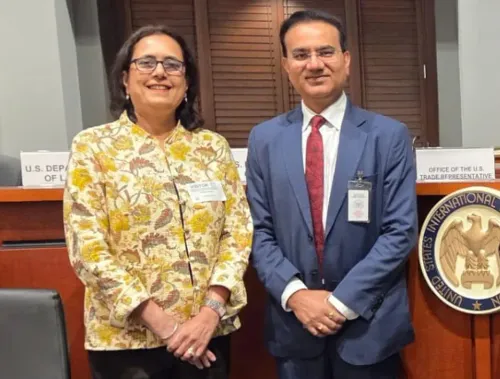
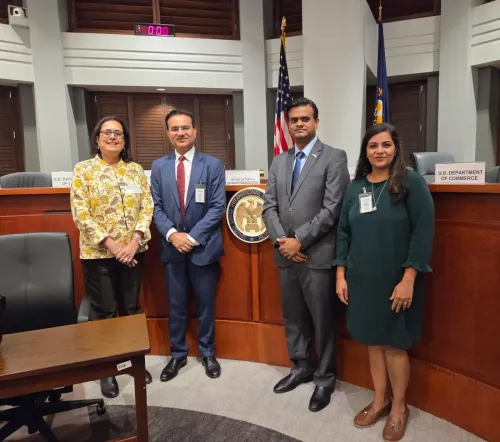
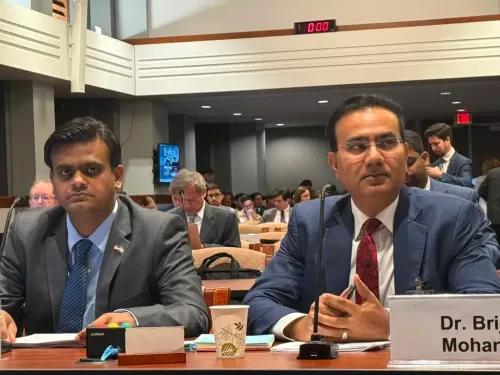
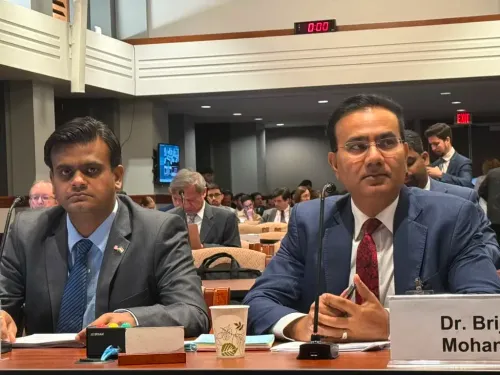
The Ministry of Commerce and Industry stated that the government remained closely engaged with the USTR throughout the investigation through detailed written submissions and in-person consultations, including participation in public hearings. 'As a result of these sustained efforts, India has been placed in the lower tier of additional tariffs under the final measures, providing a relative advantage to Indian exports in key sectors,' the ministry said in an official statement. The remaining 55 per cent of exports will attract the additional 10 per cent duty, but the ministry noted that India's tariff incidence in this category is comparatively lower than that for most other economies covered by the investigation.
Textile Mechanism and BTA Negotiations
A textile-specific mechanism referenced in the final measures is yet to be established and operationalised. India continues to engage with the US on this matter as part of ongoing negotiations for the India-US Bilateral Trade Agreement (BTA). The government reaffirmed its commitment to working with the United States towards the early conclusion of the BTA, signalling that trade talks remain a diplomatic priority. This comes amid a broader recalibration of US trade policy across dozens of economies, with India's lower-tier placement seen as a diplomatic win relative to peers.
Point of View
Not a clean win — a 10 per cent additional duty still lands on 55 per cent of exports, and the textile mechanism remains unresolved. The reduction from 12.5 per cent matters at the margins, but the real test is whether the India-US BTA negotiations can move fast enough to lock in durable exemptions before US trade policy shifts again. Notably, the 45 per cent exemption figure is driven largely by pre-existing carve-outs under Section 232, not new concessions won in this round. India's leverage in the BTA talks may be stronger now, but the window to use it is narrow.
NationPress
25 Oct 2026
Frequently Asked Questions
What is the US Section 301 investigation and why does it affect India?
Section 301 of the US Trade Act, 1974 allows the USTR to investigate and impose duties on countries whose trade practices are deemed unfair. The current investigation examined 60 economies, including India, over the importation of goods allegedly produced with forced labour, resulting in additional ad valorem duties on their exports to the US.
What additional tariff has the US imposed on Indian exports?
The USTR has imposed an additional 10 per cent ad valorem duty on imports from India under the final Section 301 measures announced on 23 July 2026. This is lower than the 12.5 per cent duty initially proposed on 2 June 2026, following sustained engagement by the Indian government.
Which Indian exports are exempt from the new Section 301 duty?
An estimated 45 per cent of India's exports to the US remain outside the additional 10 per cent duty. This includes generic pharmaceuticals, smartphones, and certain specified products that already attract zero additional duties, as well as steel, aluminium, and auto parts already covered under Section 232 measures.
What is the India-US Bilateral Trade Agreement and where do talks stand?
The India-US Bilateral Trade Agreement (BTA) is an ongoing trade pact under negotiation between the two countries. The Indian government has reaffirmed its commitment to an early conclusion of the BTA, with the unresolved textile-specific mechanism under Section 301 also being addressed as part of these negotiations.
How does India's tariff position compare to other countries in the investigation?
India has been placed in the lower tier of additional tariffs among the 60 economies covered by the USTR investigation. For the 55 per cent of exports that do attract the additional 10 per cent duty, the Ministry of Commerce stated that India's tariff incidence is comparatively lower than that for most other economies included in the probe.