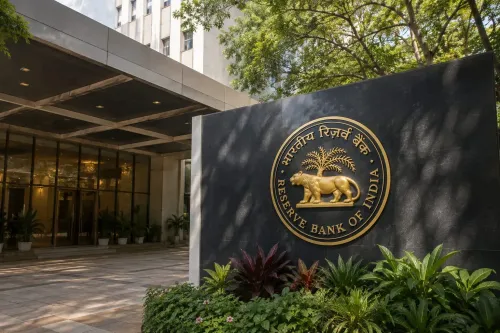
RBI ECL framework 2027: Indian banks well-capitalised for the shift, says Fitch

Synopsis
Fitch Ratings says India's banks are better prepared for the RBI's ECL shift than the headline capital impact suggests. With CET1 ratios above 14.5% and provisioning buffers already running high, the sector looks set to absorb a 30–80 basis point hit — and come out with stronger, more transparent credit risk management on the other side.
Key Takeaways
The RBI's ECL provisioning framework is set to take effect on 1 April 2027 , replacing the incurred-loss model.
Fitch Ratings estimates the average CET1 ratio could dip by ~30 basis points in FY28 , rising to ~80 basis points under the four-year glide path.
A separate report projects the capital adequacy impact at 60–70 basis points , with sector CAR above 17% and CET1 above 14.5% .
Current provisioning levels are running higher than anticipated, providing a cushion for the transition.
Fitch views the ECL finalisation as a net positive for Indian banking resilience and regulatory transparency over the longer term.
Indian banks are well-positioned to absorb the transition to the Reserve Bank of India's (RBI) Expected Credit Loss (ECL) provisioning framework, which is scheduled to take effect on 1 April 2027, according to a report released on Thursday, 7 May. The assessment, published by Fitch Ratings, concludes that years of balance sheet strengthening and healthier provisioning buffers have left the sector broadly resilient ahead of the regulatory shift.
What the ECL Framework Changes
The new framework, finalised by the RBI, replaces the older incurred-loss model with a forward-looking provisioning approach. Under the revised norms, banks will be required to set aside provisions for potential loan losses before they materialise — a structural departure from the current practice of recognising losses only after they occur. The move brings India's banking regulations closer to global standards, including those adopted under IFRS 9 in major economies.
Capital Impact: What Fitch Estimates
Fitch Ratings has estimated that the average Common Equity Tier-1 (CET1) ratio across the Indian banking sector could dip by around 30 basis points in FY28 once the framework is implemented. If lenders opt for the RBI's four-year glide path for transition, the cumulative capital impact could rise to nearly 80 basis points over the full transition period.
A separate report released earlier in May offered a comparable estimate, projecting the ECL shift's impact at roughly 60 to 70 basis points on the sector's overall capital adequacy. That report also noted that the sector's Capital Adequacy Ratio (CAR) stands at over 17%, with a Common Equity Tier-1 ratio exceeding 14.5% — both figures providing adequate headroom to absorb the transition.
Why the Sector Is Better Placed Than Before
Fitch noted that current provisioning levels are running higher than initially anticipated, which should help cushion the near-term impact. Indian banks have spent recent years aggressively cleaning up legacy non-performing assets and rebuilding capital buffers — a cycle of repair that positions them more favourably than they were during earlier periods of regulatory tightening.
Notably, this transition comes at a time when the broader asset quality of Indian banks has improved significantly, with gross non-performing asset ratios near multi-year lows across several large lenders.
Longer-Term Outlook: A Net Positive
On the broader regulatory outlook, Fitch said the finalisation of ECL norms reinforces its positive view on the operating environment for Indian banks, signalling stronger regulatory oversight and more disciplined risk management practices. In the longer term, the framework is expected to improve transparency in the recognition of credit stress and encourage earlier provisioning for potential defaults.
While profitability and capital ratios may face some near-term pressure during the transition, Fitch characterises the shift as a net positive for the long-run resilience of India's banking system. The sector's trajectory beyond FY28 will depend significantly on how individual banks manage the glide path and whether credit conditions remain stable through the transition window.
Point of View
But the 30-to-80 basis point range on CET1 is wide enough to matter — and the outcome will depend heavily on which banks choose the glide path and why. Lenders with thinner capital buffers may use the four-year transition not as prudent phasing but as a way to defer hard provisioning decisions. The real test of the ECL framework will not be the capital arithmetic on day one, but whether it actually changes the speed at which Indian banks recognise stress — something the incurred-loss model notoriously allowed them to delay. Regulatory intent is sound; execution discipline is the open question.
NationPress
22 Sept 2026
Frequently Asked Questions
What is the RBI's Expected Credit Loss (ECL) framework?
The RBI's ECL framework is a forward-looking provisioning system that requires banks to set aside reserves for potential loan losses before they occur, replacing the older incurred-loss model. It is scheduled to take effect on 1 April 2027 and brings Indian banking norms closer to global standards such as IFRS 9.
How will the ECL framework affect Indian banks' capital ratios?
Fitch Ratings estimates the average CET1 ratio could fall by around 30 basis points in FY28 upon implementation. If banks opt for the RBI's four-year glide path, the cumulative impact could reach nearly 80 basis points over the transition period.
Are Indian banks well-capitalised enough to handle the ECL shift?
Yes, according to both Fitch Ratings and a separate May report. The sector's Capital Adequacy Ratio stands above 17% and the CET1 ratio exceeds 14.5%, providing adequate headroom. Current provisioning levels are also running higher than anticipated, offering an additional cushion.
What is the RBI's four-year glide path for ECL transition?
The RBI has offered banks a four-year phased transition option to spread the capital impact of adopting the ECL framework, rather than absorbing it all at once in FY28. Under this glide path, the cumulative CET1 impact could rise to approximately 80 basis points.
Why is the ECL framework considered a positive change for Indian banking?
Fitch views the ECL finalisation as a net positive because it strengthens regulatory oversight, improves transparency in credit stress recognition, and encourages earlier provisioning for potential defaults — making the banking system more resilient over the long term, despite near-term pressure on profitability and capital ratios.