Indian Stock Markets Decline 2% as US-Iran Negotiations Stumble

Synopsis
On April 13, domestic equity markets in India witnessed a significant decline of around 2% following stalled peace talks between the US and Iran. This downturn reflects broader geopolitical tensions impacting global oil prices and market sentiment.
Key Takeaways
Domestic equity markets fell approximately 2% .
The Sensex dropped by 1,675 points .
All sectoral indices closed in the red.
Geopolitical tensions are escalating.
Oil prices are surging again, raising inflation concerns.
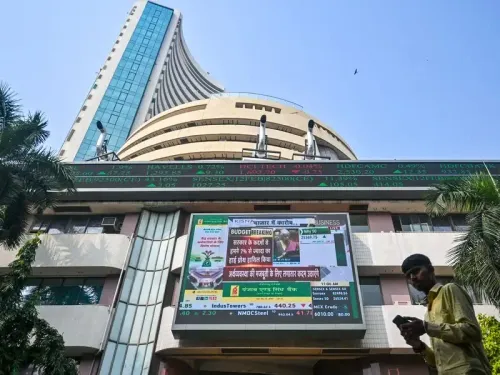
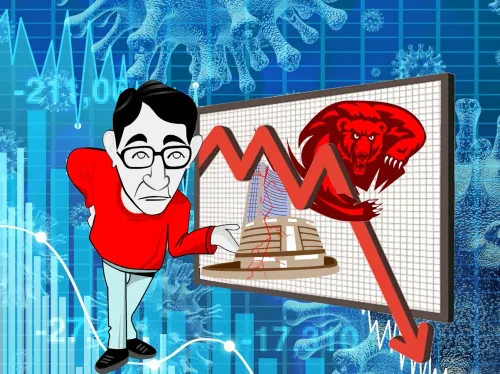
Mumbai, April 13 (NationPress) The domestic equity markets experienced a notable downturn on Monday, falling approximately 2 percent each due to unfavorable global indicators following the lack of progress in peace discussions between the US and Iran.
The Sensex dropped as much as 2.16 percent, or 1,675 points, reaching an intraday low of 75,874.85 during early trading, while the Nifty stood at 23,555, down nearly 500 points or 2.05 percent, amidst considerable selling pressure in sectors such as banking, finance, real estate, automotive, and energy.
Among the hardest-hit stocks were Eicher Motors, Maruti Suzuki, Shriram Finance, Bajaj Finance, and HDFC Bank. Every sectoral index was in the negative.
In terms of categories, the small-cap indices witnessed the steepest declines, with the Nifty Smallcap 100 down 2 percent and the Nifty Smallcap 250 falling 2 percent, reflecting trends in midcap and large-cap shares.
Additionally, the India VIX, which measures market volatility, surged over 13 percent.
Experts noted that global sentiment has swiftly shifted to a risk-averse stance due to escalating geopolitical tensions.
This situation is particularly significant as the Hormuz Strait is vital for the global oil supply. Oil prices, which had previously decreased from above $110 to the $94–$100 range, have now surged past $105, reigniting concerns over inflation and macroeconomic stability.
They further emphasized that this event has immediate and serious implications for India. With over 85 percent of crude oil imports reliant on this route, escalating oil prices could exacerbate the current account deficit, weaken the rupee, and heighten inflation expectations.
“High volatility is anticipated to persist throughout the week, particularly with ongoing geopolitical developments, upcoming inflation data, and earnings reports serving as near-term catalysts,” they stated.
Moreover, Brent crude futures were trading at $103.40 per barrel, up 8.61 percent, whereas US WTI crude increased by 9.38 percent to $105.63.
In Asian markets, major indices were predominantly negative, with the Nikkei falling over 1 percent, the Hang Seng down 1 percent, and the KOSPI experiencing a plunge of more than 1 percent.
Wall Street concluded with mixed results, as the S&P 500 dropped by 7 points or 0.11 percent, while the Nasdaq rose by 80 points or 0.35 percent.
Point of View
It is crucial to recognize the immediate implications of geopolitical dynamics on our financial markets. The recent declines in the Sensex and Nifty highlight the interconnectedness of global events and domestic economic stability. We must remain vigilant and informed as these developments unfold.
NationPress
19 Sept 2026
Frequently Asked Questions
What caused the decline in Indian stock markets?
The decline was primarily due to unfavorable global cues following stalled peace talks between the US and Iran, which heightened geopolitical tensions.
How much did the Sensex and Nifty drop?
The Sensex fell by approximately 2.16% or 1,675 points, while the Nifty declined by around 2.05% or 500 points.
Which sectors were most affected?
The banking, financial, realty, automotive, and energy sectors faced significant selling pressure.
What is the India VIX?
The India VIX is a volatility index that measures market expectations of near-term volatility, and it was up more than 13% during this market downturn.
What are the implications of rising oil prices for India?
Rising oil prices could increase the current account deficit, weaken the rupee, and elevate inflation expectations, given India's heavy reliance on crude oil imports.