Will India's Biogas Sector Draw Rs 5,000 Crore Investment in 2026-27?

Synopsis
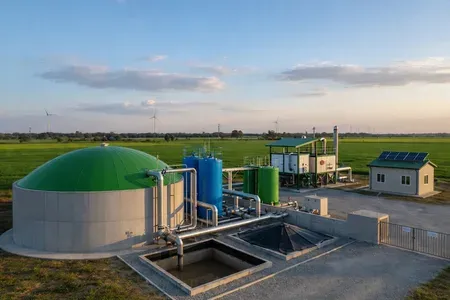
In a promising outlook for the future, India's biogas sector is set to attract significant investments, reaching over Rs 5,000 crore by 2026-27. This growth is fueled by increasing demand for gas and supportive government policies aimed at promoting cleaner energy solutions.
Key Takeaways
India's biogas sector is projected to attract over Rs 5,000 crore in investments by 2026-27.
94 CBG plants have sold over 31,400 tonnes of CBG in FY 2024-25.
A 7% reduction in GST for CBG could enhance project viability significantly.
CBG production supports rural economies and provides cleaner cooking solutions.
The MNRE offers financial assistance for biogas projects.
New Delhi, Dec 21 (NationPress) The biogas sector in India is poised to secure investments surpassing Rs 5,000 crore in the financial year 2026-27, driven by escalating market demand for gas, as reported by the Indian Biogas Association (IBA).
Government statistics indicate that 94 compressed biogas (CBG) plants sold over 31,400 tonnes of CBG during FY 2024-25, showcasing the sector's robust growth and significant market acceptance, according to a statement from the IBA.
The IBA forecasts considerable commissioning of new CBG facilities, streamlined and organized supply chains for feedstock, and cohesive policy frameworks to foster the swift adoption of biogas.
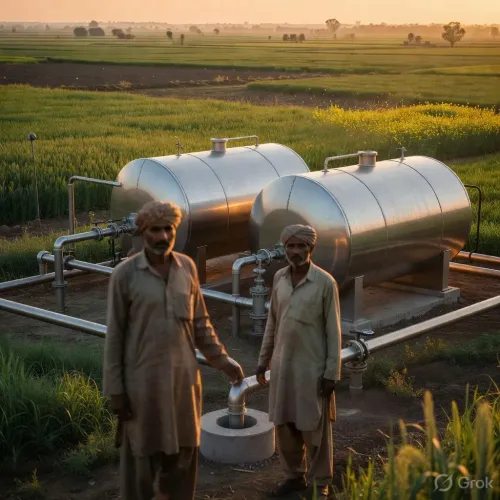
There is substantial potential for enhancing efficiency and capacity utilization in the millions of small-scale traditional biogas digesters. National programs are intensifying support for the various medium-sized plants, which provide cleaner cooking fuel, rural employment, and organic manure, the statement further noted.
The relaxed GST regime is expected to facilitate business operations within the CBG ecosystem. IBA Chairman Gaurav Kedia stated that a 7% reduction in the applicable GST rate for the CBG sector could significantly enhance project viability, projecting a 45% increase in new investments in the industry over the short to medium term.
“The multiplier effect across the industry value chain will be even more substantial,” he added.
CBG is a renewable, green fuel produced by purifying and compressing biogas from organic waste, such as farm residues, dung, and sewage, to match the properties of Compressed Natural Gas (CNG). This fuel is integral to India's strategy for reducing oil imports, managing waste sustainably, decreasing emissions, and bolstering rural economies, with government initiatives like SATAT promoting its production and utilization as a clean fuel alternative for vehicles, industries, and cooking.
The Ministry of New and Renewable Energy (MNRE) currently offers central financial support covering 15–20% of a project's capital cost. In addition, marketing development assistance of Rs 1.50 per kilogram is provided to encourage the sale of organic fertilizers, a vital byproduct of biogas production. There are also incentives for infrastructure development to connect biogas plants to the gas grid.
Point of View
The anticipated investment in India's biogas sector underscores the nation's commitment to sustainable energy solutions and rural empowerment. As the world increasingly prioritizes clean energy, India is strategically positioning itself to lead in biogas production, creating jobs and fostering economic growth while addressing environmental concerns. This investment is not just a financial boost; it signals a future where green energy plays a pivotal role in India's development.
NationPress
24 Sept 2026
Frequently Asked Questions
What is the expected investment in India's biogas sector for 2026-27?
India's biogas sector is expected to attract an investment exceeding Rs 5,000 crore during the financial year 2026-27.
How does the GST reduction impact the biogas sector?
The IBA anticipates that a reduction of 7% in the GST rate for CBG will significantly improve project viability, potentially increasing new investments by 45% in the short to medium term.
What role does the MNRE play in supporting biogas projects?
The Ministry of New and Renewable Energy (MNRE) provides central financial assistance covering 15–20% of project capital costs and additional support for marketing organic fertilizers.
What are the benefits of biogas production?
Biogas production offers cleaner cooking fuel, rural employment opportunities, and organic manure, contributing to sustainable development.